Why You Should Travel to Tartu, Estonia
Exploring a cultural and intellectual center beyond the capital
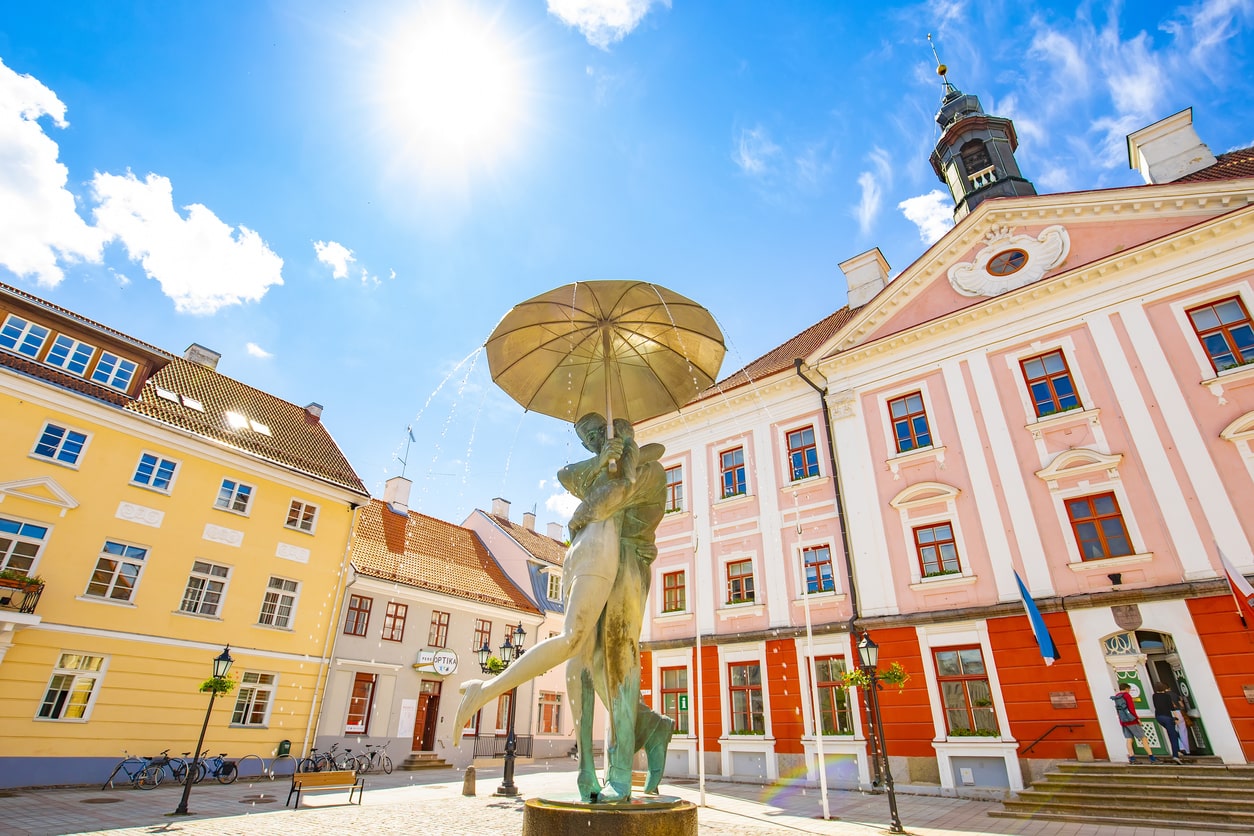
What to see and do in Tartu, Estonia's culture capital.
Tartu travel (Tartu reisimine) reveals a different side of Estonia, where the country’s second-largest city stands out as a center of knowledge and creativity. Known for its deep academic roots and vibrant cultural life, the city reflects both intellectual heritage (intellektuaalne pärand) and a modern, youthful atmosphere shaped by its university community.
Visitors arriving from Tallinn, often after a two-and-a-half-hour journey, quickly notice that Tartu offers more than a typical academic environment. The city presents a mix of traditions and innovation, demonstrating cultural identity (kultuuriline identiteet) through its institutions, events, and everyday life.
National museum (rahvusmuuseum) experiences form a key part of any visit. The Estonian National Museum, built on a former Soviet airfield, showcases the country’s cultural and historical development. Inside, exhibitions trace language, customs, and daily life across centuries, emphasizing cultural evolution (kultuuriline areng) in an engaging and accessible way.
Interactive displays allow visitors to engage directly with the content, making learning dynamic rather than passive. The museum’s layout encourages exploration, reinforcing the importance of interactive exhibits (interaktiivsed eksponaadid) in modern cultural institutions.
University campus (ülikoolilinnak) exploration highlights Tartu’s long academic tradition. Founded in 1632 during Swedish rule, the University of Tartu remains one of the oldest institutions in Northern Europe. Its buildings and surrounding areas reflect centuries of scholarly activity, illustrating academic history (akadeemiline ajalugu).
Nearby, the Botanical Garden offers a contrast between architecture and nature. As the oldest in the Baltic region, it demonstrates natural diversity (looduslik mitmekesisus) while providing a calm environment within the city.
Historic church (ajalooline kirik) visits also reveal Tartu’s layered past. St. John’s Church, dating back to the 14th century, is notable for its terracotta figurines, with more than 1,000 figures decorating its walls. These details contribute to architectural detail (arhitektuurne detail) that distinguishes the building from others in the region.
Walking along the Emajõgi River offers a different perspective on the city. The river connects various neighborhoods and provides access to cafés, galleries, and shops. This environment reflects urban leisure (linna puhkus) and shows how public spaces support daily life.
Tartu festivals (Tartu festivalid) provide opportunities to experience local culture more directly. Events throughout the year allow visitors to engage with traditions and contemporary creativity, illustrating cultural participation (kultuuriline osalus) in an active setting.
Nature also plays a central role in the Tartu experience. A short trip outside the city leads to areas such as the Alam-Pedja Nature Reserve, where visitors can try bog walking. This activity highlights natural landscapes (loodusmaastikud) unique to Estonia and offers insight into the country’s environment.
Walking on wooden paths across wetlands allows access without damaging the ecosystem. The experience demonstrates environmental interaction (keskkonnaga suhtlemine), combining recreation with respect for nature.
Lake Peipus provides another natural attraction, offering opportunities for outdoor activities such as walking, cycling, and water sports. Its size and location near the Russian border add to its significance, reflecting geographical features (geograafilised tunnused) that shape the region.
Tartu food scene (Tartu toidukultuur) reflects the city’s international and local influences. Restaurants range from traditional Estonian cuisine to global dishes, supported by a diverse student population. This diversity highlights culinary variety (kulinaarne mitmekesisus) in everyday dining.
Dining experiences often include shared plates and locally sourced ingredients, reinforcing the importance of food traditions (toidutraditsioonid) while allowing experimentation with new flavors.
Accommodation in Tartu varies, with central locations offering convenient access to attractions. Staying in the city center ensures proximity to pedestrian areas and cultural sites, emphasizing urban convenience (linna mugavus) for visitors.
Accessibility has also been improved across the city. Many main routes are paved, and public transport includes low-floor buses, supporting inclusive travel (kaasav reisimine) for people with different mobility needs.
Museums such as the Estonian National Museum are designed with accessibility in mind, featuring single-level layouts and support services. These features demonstrate visitor accessibility (külastaja ligipääsetavus) in modern cultural spaces.
Overall, Tartu combines academic tradition, cultural richness, and natural beauty. Its balance between intellectual life and relaxed atmosphere makes it a distinctive destination where city character (linna iseloom) is shaped by both history and innovation.
Key Estonian Vocabulary
Tartu reisimine Tartu travel
intellektuaalne pärand intellectual heritage
kultuuriline identiteet cultural identity
rahvusmuuseum national museum
kultuuriline areng cultural evolution
interaktiivsed eksponaadid interactive exhibits
ülikoolilinnak university campus
akadeemiline ajalugu academic history
looduslik mitmekesisus natural diversity
ajalooline kirik historic church
arhitektuurne detail architectural detail
linna puhkus urban leisure
Tartu festivalid Tartu festivals
kultuuriline osalus cultural participation
loodusmaastikud natural landscapes
keskkonnaga suhtlemine environmental interaction
geograafilised tunnused geographical features
Tartu toidukultuur Tartu food scene
kulinaarne mitmekesisus culinary variety
toidutraditsioonid food traditions
linna mugavus urban convenience
kaasav reisimine inclusive travel
külastaja ligipääsetavus visitor accessibility
linna iseloom city character
For requests or suggestions: pr@estonianinstitute.com
Learn the official language of Estonia in 30 days thanks to the most complete Grammar, Vocabulary and Culture courses available. Start speaking Estonian today!
© Copyright 2026 Estonian Institute