
US Suspends Ammunition Deliveries to Estonia Amid Ongoing Iran Conflict
Temporary halt affects European allies while Estonia monitors impact and alternatives
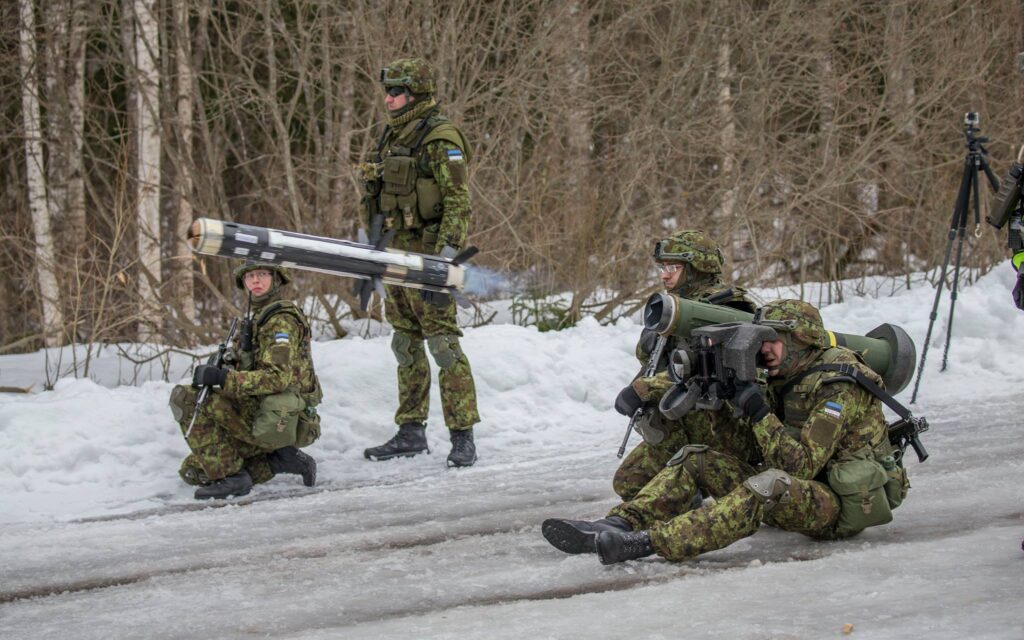
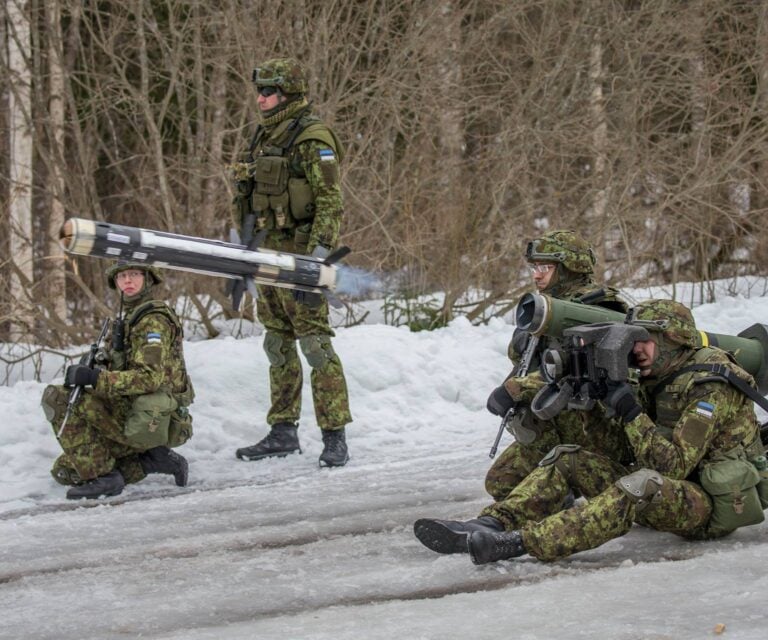
US halts ammunition supplies to Estonia until Iran conflict ends.
The United States has decided to pause ammunition deliveries (laskemoona tarned) to European allies, including Estonia, following a shift in priorities caused by the ongoing conflict in Iran. The decision was communicated directly between defense officials, highlighting concerns about military stockpile management (sõjaliste varude haldamine) during active international engagements.
According to official statements, the suspension does not apply solely to Estonia but affects a broader group of countries relying on U.S. support. The move reflects increasing pressure on weapons supply chains (relvade tarneahelad) as resources are redirected to meet operational demands linked to the conflict.
"For now, deliveries have been put on hold while the conflict with Iran continues,"
The delay is primarily related to specific types of ammunition, including rocket artillery and anti-tank systems. These systems are essential for precision strike capability (täppislöögi võimekus) and form a key part of Estonia’s defense planning. The interruption emphasizes the dependence of smaller countries on external suppliers for advanced military equipment.
Reports from international sources have indicated that the United States is reassessing its commitments due to the depletion of reserves. This situation illustrates the challenges of maintaining defense readiness (kaitsevalmidus) when stockpiles are being utilized in ongoing military operations.
«This includes HIMARS munitions and Javelin anti-tank systems.»
Despite the suspension, U.S. reserves are not yet exhausted. However, authorities must prepare for various possible developments in the conflict. This reflects the importance of strategic reserve planning (strateegiline varuplaanimine), especially in uncertain and evolving geopolitical conditions.
«They need to secure their rear, not knowing how long the conflict will last.»
Estonian officials have indicated that the immediate impact on national defense is limited. Existing supplies are considered sufficient for current needs, particularly in terms of anti-tank capabilities. This suggests that short-term defense capacity (lühiajaline kaitsevõime) remains stable despite the delay in deliveries.
«In terms of anti-tank capability, we currently have sufficient weapons and ammunition. As for HIMARS, it is possible to cooperate with allies if there is an urgent need.»
Cooperation with allied countries is seen as a potential solution if shortages arise. This approach reflects the importance of alliance coordination (liitlassuhete koordineerimine) within NATO structures, where resources and capabilities can be shared in response to emerging needs.
Looking ahead, Estonia plans to monitor the duration of the conflict and assess whether alternative procurement options are required. This highlights the role of defense procurement flexibility (kaitsehanke paindlikkus) in adapting to disruptions in supply.
«The world has not run out of ammunition or weapons. We are, of course, working on various options, but at the moment there is no immediate need to revise our decisions,»
The broader context reflects how global conflicts can influence military logistics far beyond the immediate area of fighting. The situation underscores the interconnected nature of defense systems and the importance of global supply dependencies (globaalsed tarneahela sõltuvused) in maintaining operational readiness.
Estonia’s reliance on systems such as HIMARS and Javelin is consistent with modern defense strategies that emphasize mobility and precision. These systems are widely used across NATO and contribute to modern warfare capabilities (kaasaegse sõjapidamise võimekus), particularly in deterrence and rapid response scenarios. At the same time, the current disruption serves as a reminder of the need for diversified supply sources and contingency planning. Many other countries are increasingly focusing on strengthening domestic capabilities or expanding partnerships to reduce vulnerability to external supply disruptions (väliste tarnehäirete riskid).
Key Estonian Vocabulary
laskemoona tarned ammunition deliveries
sõjaliste varude haldamine military stockpile management
relvade tarneahelad weapons supply chains
täppislöögi võimekus precision strike capability
kaitsevalmidus defense readiness
strateegiline varuplaanimine strategic reserve planning
lühiajaline kaitsevõime short-term defense capacity
liitlassuhete koordineerimine alliance coordination
kaitsehanke paindlikkus defense procurement flexibility
globaalsed tarneahela sõltuvused global supply dependencies
kaasaegse sõjapidamise võimekus modern warfare capabilities
väliste tarnehäirete riskid external supply disruptions
For requests or suggestions: pr@estonianinstitute.com


Learn the official language of Estonia in 30 days thanks to the most complete Grammar, Vocabulary and Culture courses available. Start speaking Estonian today!
© Copyright 2026 Estonian Institute