The Soul of Estonia Lives in Tallinn’s Streets and Stories
Exploring a capital where medieval heritage and modern life coexist
Survey: Tallinn the 11th best city for expats.
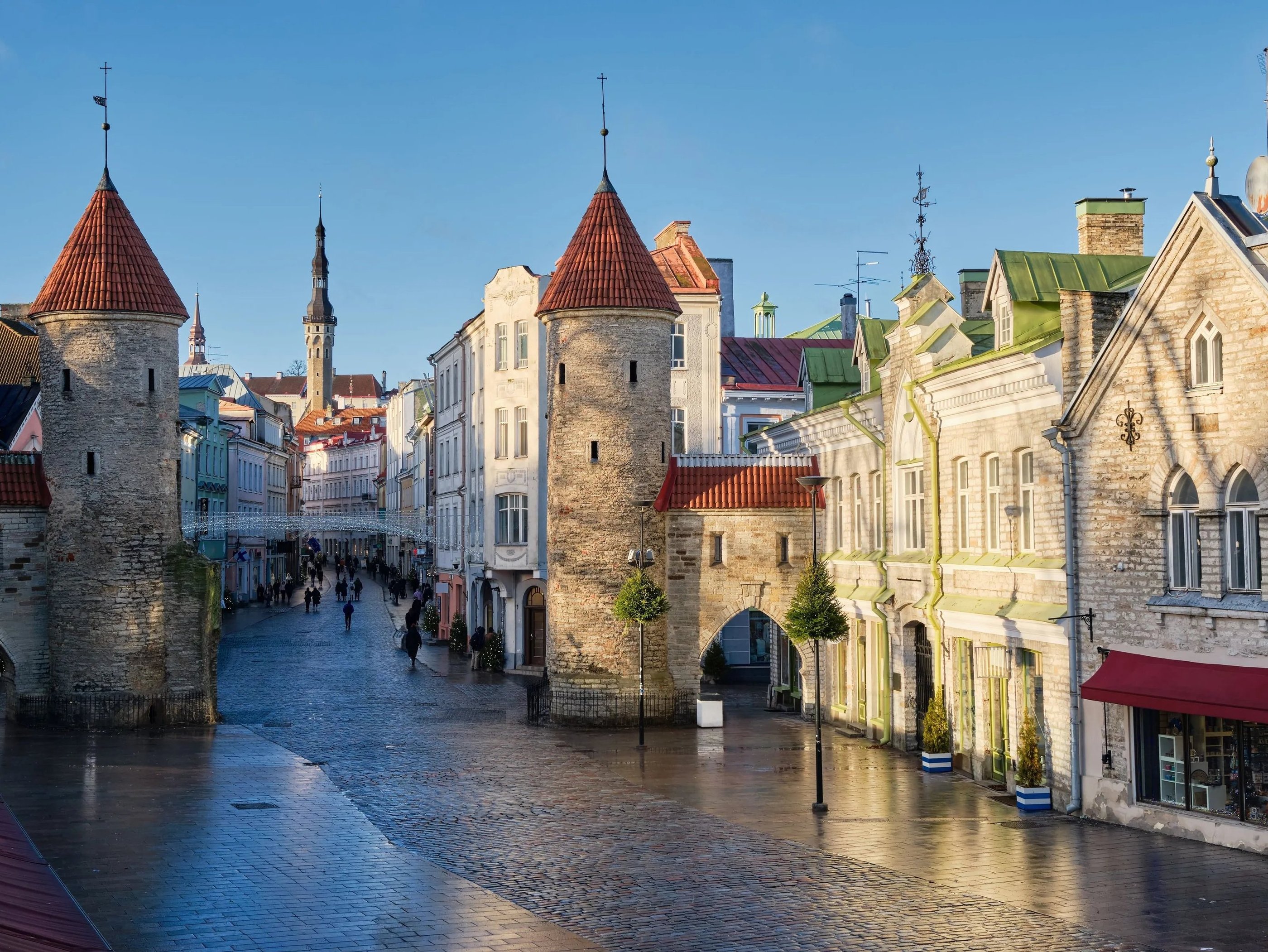
Tallinn travel (Tallinna reisimine) offers visitors a blend of historical depth and modern energy, as Estonia’s capital combines medieval architecture with a strong digital identity. With more than a third of the country’s population living there, the city reflects both urban life (linnaelu) and national identity through its streets, museums, and cultural experiences.
A first introduction to the city is often best achieved through a guided walk. Exploring the compact layout of the Old Town helps visitors understand its structure while encountering key landmarks. This approach highlights the value of walking tours (jalgsiekskursioonid), which provide context and orientation while moving through historic areas.
Old Town heritage (vanalinna pärand) stands out as one of Tallinn’s defining features. Recognized as a UNESCO World Heritage Site, it contains preserved medieval buildings, narrow streets, and vibrant squares. The area combines historic architecture (ajalooline arhitektuur) with small shops and cafes, creating a setting that is both visually striking and actively used.
Visitors can climb sections of the city wall to gain panoramic views of rooftops and church towers, reinforcing the importance of city views (linnavaated) in understanding Tallinn’s layout. The Town Hall Square is another focal point, often associated with traditions such as the first public Christmas tree, while the Town Hall itself remains a rare example of a preserved Gothic civic building.
One notable stop is the long-operating pharmacy dating back to 1422, which reflects centuries of continuous use. The presence of such locations emphasizes historical continuity (ajalooline järjepidevus), where past and present coexist within the same physical space.
Ascending Toompea hill offers another perspective on the city. From this elevated area, visitors can observe the contrast between upper and lower sections of Tallinn. The site includes key landmarks such as the parliament building and a major cathedral, demonstrating the importance of elevated viewpoints (kõrgemad vaatepunktid) in experiencing the city.
While the Old Town presents charm and beauty, Tallinn’s history also includes more difficult chapters. The Vabamu Museum and former detention cells provide insight into periods of occupation. These locations highlight historical memory (ajalooline mälu) and present personal accounts of those affected by political repression.
In the detention center, individuals were held under harsh conditions and subjected to punishment, reflecting the severity of past regimes. Such experiences emphasize human suffering (inimkannatused) and serve as reminders of the impact of political systems on everyday lives.
The Memorial to the Victims of Communism extends this reflection by documenting individuals who disappeared, reinforcing the role of collective remembrance (kollektiivne mälestus) in national identity.
In contrast, Tallinn also offers lighter and more interactive attractions. The Seaplane Harbour Museum presents maritime history through exhibits including ships and a submarine, demonstrating the importance of maritime heritage (merenduspärand) in Estonia’s development.
The Tallinn TV Tower provides a different experience, offering wide views from above the city. Such locations contribute to tourist attractions (turismiobjektid) that combine education with visual impact.
The Estonian History Museum, spread across multiple sites, allows visitors to explore different periods in detail. Its exhibits reflect the country’s evolution, supporting an understanding of cultural history (kultuuriajalugu) through artifacts and curated displays.
Food also plays a central role in the Tallinn experience. The city’s cuisine reflects local ingredients and traditional methods, contributing to a recognizable food culture (toidukultuur). Restaurants and markets offer both historical dining settings and modern interpretations of regional dishes.
Markets in particular showcase diversity, with various food options available in one place. This environment highlights local products (kohalikud tooted) alongside international influences, creating a dynamic culinary scene.
Accommodation options in Tallinn range widely, allowing visitors to choose based on preference and budget. Staying in the Old Town provides convenience and access to major attractions, reinforcing the importance of central location (keskne asukoht) when planning a visit.
The city is generally considered safe and easy to navigate, supported by efficient public transportation. At the same time, cobblestone streets require attention, especially in wet conditions, illustrating practical aspects of travel safety (reisimise ohutus).
For visitors, language is not a barrier, as English is widely spoken, particularly in tourism-related settings. This accessibility contributes to visitor convenience (külastaja mugavus) and enhances the overall travel experience.
Overall, Tallinn combines historical depth, cultural richness, and modern infrastructure. Its mix of attractions, from medieval streets to contemporary museums, makes it a destination where different aspects of urban identity (linnaidentiteet) are visible in a single place.
Key Estonian Vocabulary
Tallinna reisimine Tallinn travel
linnaelu urban life
jalgsiekskursioonid walking tours
vanalinna pärand Old Town heritage
ajalooline arhitektuur historic architecture
linnavaated city views
ajalooline järjepidevus historical continuity
kõrgemad vaatepunktid elevated viewpoints
ajalooline mälu historical memory
inimkannatused human suffering
kollektiivne mälestus collective remembrance
merenduspärand maritime heritage
turismiobjektid tourist attractions
kultuuriajalugu cultural history
toidukultuur food culture
kohalikud tooted local products
keskne asukoht central location
reisimise ohutus travel safety
külastaja mugavus visitor convenience
linnaidentiteet urban identity
For requests or suggestions: pr@estonianinstitute.com
Learn the official language of Estonia in 30 days thanks to the most complete Grammar, Vocabulary and Culture courses available. Start speaking Estonian today!
© Copyright 2026 Estonian Institute