
Tallinn’s Slava Ukraina Restaurant Closes Following Lease Expiry
Closure comes after years marked by activism, challenges, and a prior arson attack
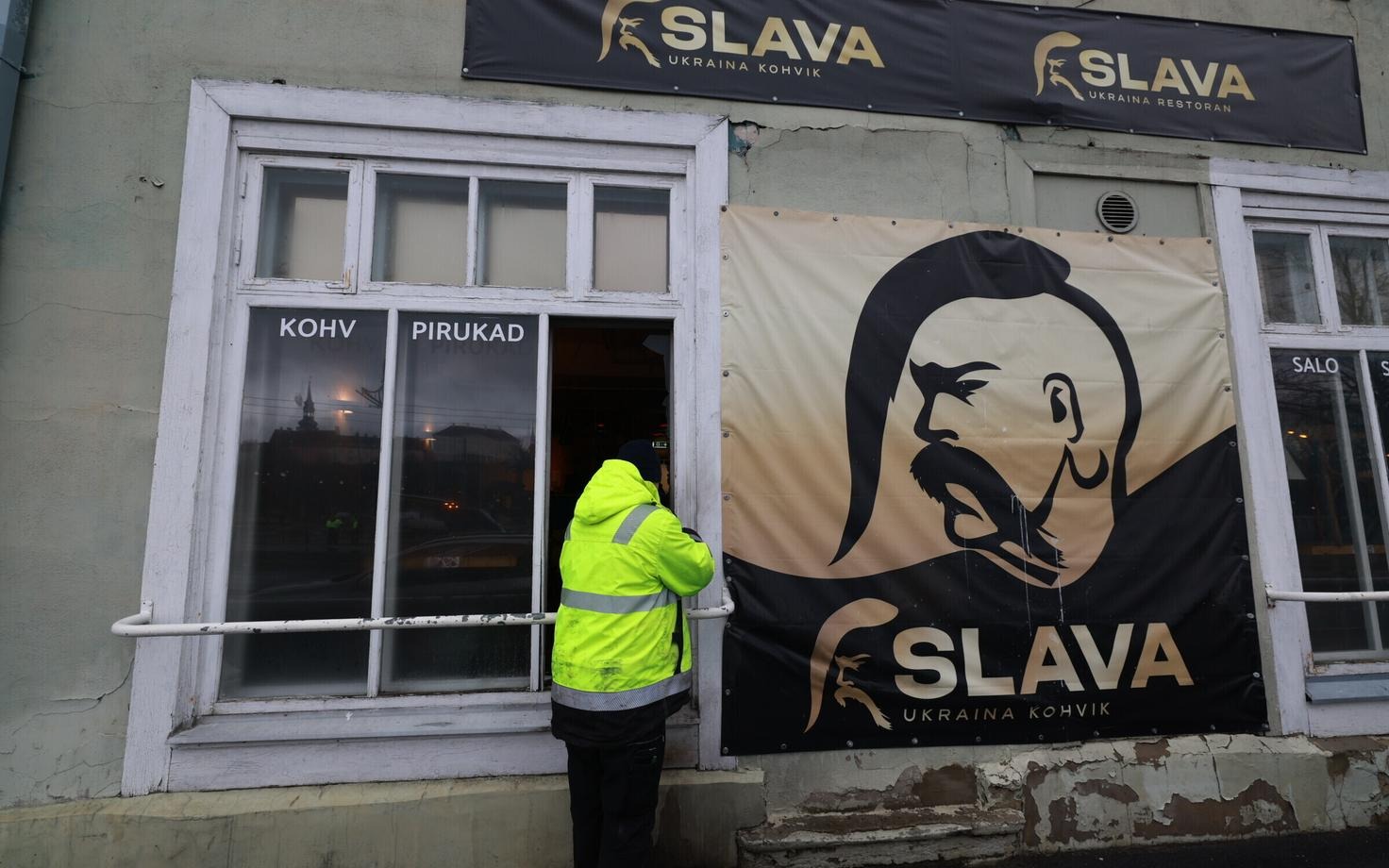
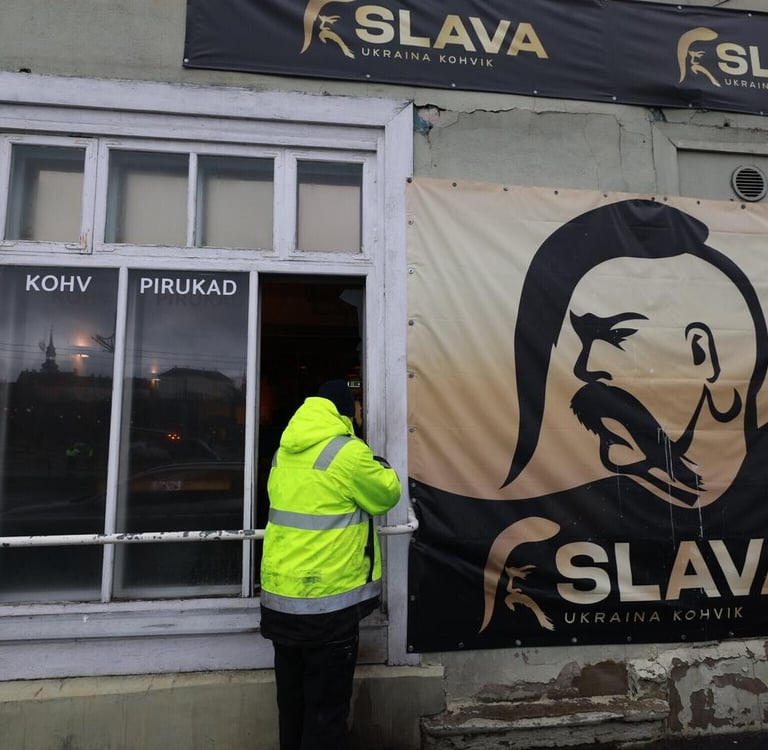
Photos after the arson attack on Ukrainian restaurant ordered by Russian intelligence.
Restaurant closure (restorani sulgemine) in Tallinn has affected the Slava Ukraina establishment, which has officially ceased operations after its lease agreement came to an end. The venue, known for both its culinary offering and its support initiatives, shut down locations on Vana-Kalamaja and Kopli streets as part of this development.
The decision was primarily driven by lease expiration (rendilepingu lõppemine), as the property owner intends to redevelop the site. According to the co-founder, efforts were made to find a new location, but no suitable alternative was identified, bringing the project to a close after several years of activity.
"We looked for a new location for a while but could not find a suitable one. The four years were very eventful, and we promoted the Ukrainian cause well, but we no longer have the energy to build up this active project again," he said, reflecting on the challenges tied to project sustainability (projekti jätkusuutlikkus).
The premises will soon be repurposed, with a new Asian restaurant expected to take over the location in early May. This transition reflects ongoing real estate development (kinnisvaraarendus) trends in the area, which often lead to changes in the local business landscape.
The restaurant had previously faced a major setback in the form of an arson attack (süütamine) in January 2025. The incident resulted in significant damage, and subsequent investigations linked the act to foreign involvement, highlighting the broader implications of security threats (julgeolekuohud) even for small businesses.
Two individuals were later convicted in connection with the attack, with authorities concluding that the operation had been ordered by Russian special services. This added a geopolitical dimension to what might otherwise have been considered a local criminal act, emphasizing issues of hybrid conflict (hübriidkonflikt).
Despite these challenges, the restaurant continued operating and maintained its role in the community. It employed Ukrainian refugees and served as a platform for raising awareness, reflecting its broader mission tied to social support (sotsiaalne toetus) and solidarity efforts.
Established in the summer of 2022, the business quickly became associated with both hospitality and advocacy. Its identity combined food service with a clear message, illustrating how community engagement (kogukonna kaasamine) can shape a brand’s purpose beyond commercial goals.
The closure marks the end of a period defined by resilience and activism. While the lease issue ultimately led to the shutdown, the restaurant’s history also includes overcoming adversity and maintaining operations after a targeted attack, highlighting themes of operational resilience (tegevuslik vastupidavus).
The co-founder, who has also held a position in public broadcasting governance, emphasized that the project required significant energy to maintain. The decision to close reflects both practical limitations and the demanding nature of such initiatives, particularly when tied to broader causes.
In the end, the story of Slava Ukraina in Tallinn illustrates how local businesses can intersect with international events, blending hospitality with political and humanitarian narratives, while navigating challenges related to business continuity (äritegevuse järjepidevus).
Key Estonian Vocabulary
restorani sulgemine restaurant closure
rendilepingu lõppemine lease expiration
projekti jätkusuutlikkus project sustainability
kinnisvaraarendus real estate development
süütamine arson attack
julgeolekuohud security threats
hübriidkonflikt hybrid conflict
sotsiaalne toetus social support
kogukonna kaasamine community engagement
tegevuslik vastupidavus operational resilience
äritegevuse järjepidevus business continuity
For requests or suggestions: pr@estonianinstitute.com


Learn the official language of Estonia in 30 days thanks to the most complete Grammar, Vocabulary and Culture courses available. Start speaking Estonian today!
© Copyright 2026 Estonian Institute