Tallinn Leads Baltic Region in Tourism Growth and Economic Impact
Visitor recovery, rising revenues, and capacity pressures shape the capital’s tourism outlook
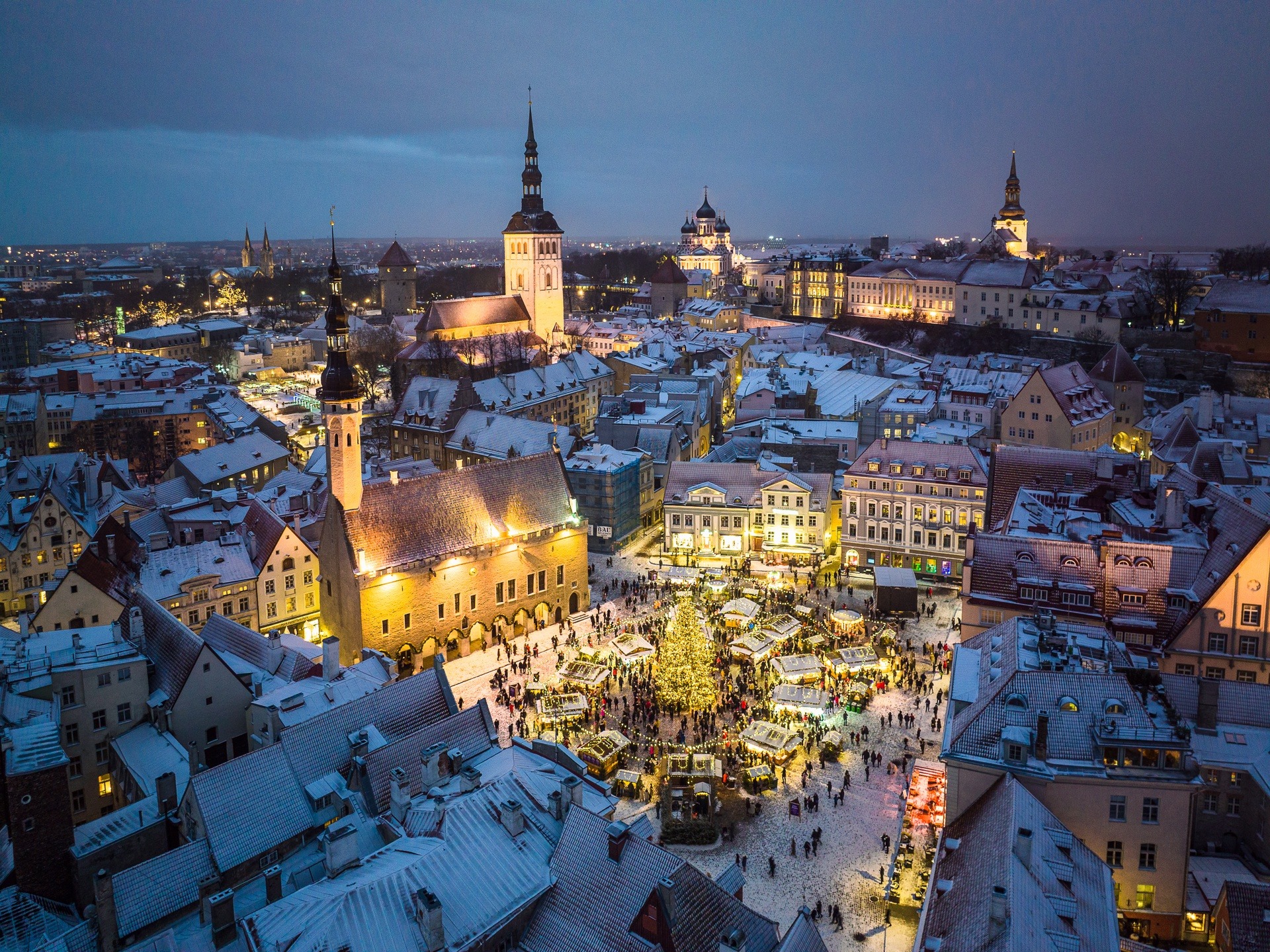
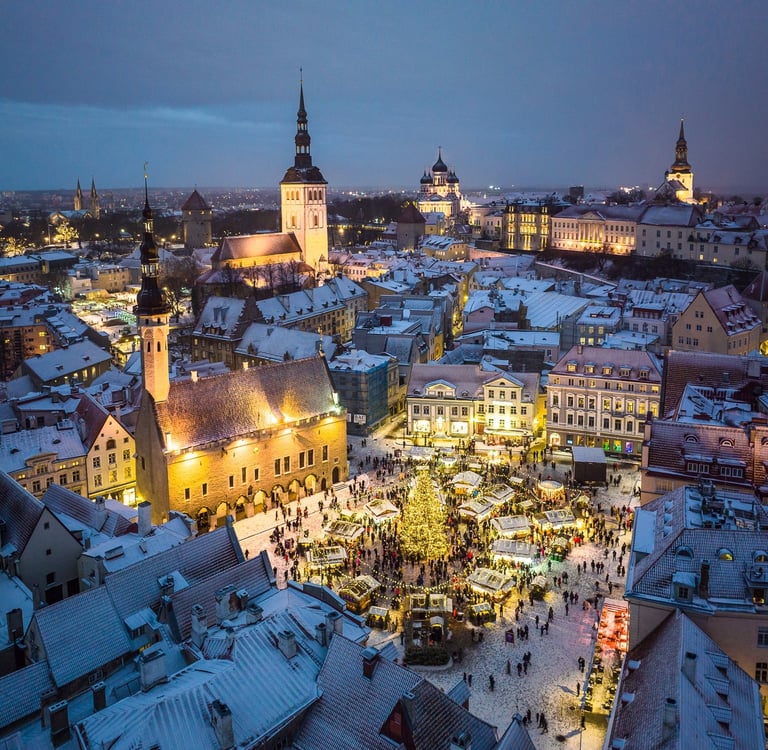
Tallinn, Estonia's laidback capital city
Tallinn has emerged as the leading tourism destination in the Baltic region, surpassing neighbouring capitals in overall visitor activity and demonstrating strong recovery from pandemic-related declines. According to recent analysis, the city hosted approximately 3.42 million foreign visitors in 2024, based on mobile positioning data (mobiilpositsioneerimise andmed), while accommodation records show around 3.4 million overnight stays (ööbimised) by international tourists. These figures confirm a return to sustained growth following earlier disruptions.
The tourism sector continues to play a central role in Tallinn’s economy, supported by substantial employment and revenue generation. In 2024, more than 34,000 individuals were employed in tourism-related industries (turismiga seotud tööstusharud), with companies contributing €293 million in labor tax payments (tööjõumaksude maksed). Total sales revenue across the sector reached €4.3 billion, highlighting tourism as a major driver of economic output contribution (majandusliku panuse osakaal) within the capital.
City officials have identified tourism as a strategic priority, particularly in maintaining growth throughout the year. Deputy Mayor Kristjan Järvan emphasised the importance of reducing seasonal fluctuations through targeted development of business tourism segments (ärireiside segmendid) such as conferences and international events. “This is a good starting point, but further growth requires targeted efforts, especially during the off-season,” he stated, underlining the need for seasonality reduction strategies (hooajalisuse vähendamise strateegiad) to stabilise revenue streams.
A key finding of the analysis is the increasing pressure on accommodation infrastructure due to rising visitor numbers. Forecasts indicate that Tallinn will require an additional 1,400 to 2,200 rooms by 2040 to meet projected demand, reflecting a need for expanded hospitality capacity planning (majutusvõimekuse planeerimine). The city currently offers 9,801 rooms, and high occupancy rates during peak periods suggest limited flexibility within the existing system.
The economic benefits of tourism growth are measurable at multiple levels. Each additional 10,000 foreign visitors generates approximately €4.25 million in direct tourism revenue (otsene turismitulu), while also creating around 48 jobs and contributing nearly €100,000 in extra labor taxes. In 2024, the average visitor spent €245 per trip, with multi-day tourists spending €336, illustrating the significance of visitor expenditure patterns (külastajate kulutamismustrid) in shaping local economic outcomes.
Tallinn dominates Estonia’s tourism landscape, accounting for 69 percent of all foreign overnight stays nationwide. The city also exhibits a high level of tourism intensity (turismi intensiivsus), measured as overnight stays per capita, exceeding that of cities such as Stockholm, Riga, Vilnius, and Helsinki. This concentration highlights Tallinn’s role as the primary hub within the country’s tourism distribution structure (turismi jaotumise struktuur).
Future projections indicate continued expansion in visitor numbers. By 2035, Tallinn is expected to reach between 3.26 and 4.21 million overnight stays, increasing further to between 3.40 and 4.28 million by 2040. Growth is anticipated to be driven by emerging source markets (tärkavad lähteriigid) including Poland, Italy, and the United States, while Finland remains the largest contributor to inbound tourism flows.
However, rising demand also presents operational challenges. During peak summer months, hotel occupancy reaches approximately 86 percent, limiting the ability to accommodate additional visitors. This underscores the importance of addressing capacity constraints (võimsuspiirangud) and enhancing off-season attractiveness to maintain balanced growth across the year. Expanding tourism beyond peak periods is critical for sustaining revenue stability (tulude stabiilsus) within the sector.
The impact of tourism extends beyond the capital, contributing significantly to Estonia’s overall economy. Spending generated in Tallinn accounts for roughly 76 percent of all foreign visitor expenditure in the country, and the city’s export of travel services reached €1.1 billion in 2024. This reflects the broader importance of service export activity (teenuste eksporditegevus) as a component of national economic performance.
The analysis also highlights the need to align tourism development with broader infrastructure growth, particularly in relation to airport capacity and transport connectivity. Coordinated investment in transport infrastructure expansion (transporditaristu laiendamine) will be essential to support continued increases in visitor numbers and ensure accessibility for key markets.
Overall, Tallinn’s tourism sector demonstrates strong recovery and sustained growth potential, but future expansion will depend on strategic planning, infrastructure development, and effective management of seasonal and capacity-related challenges.
Key Estonian Vocabulary
mobiilpositsioneerimise andmed mobile positioning data
ööbimised overnight stays
turismiga seotud tööstusharud tourism-related industries
tööjõumaksude maksed labor tax payments
majandusliku panuse osakaal economic output contribution
ärireiside segmendid business tourism segments
hooajalisuse vähendamise strateegiad seasonality reduction strategies
majutusvõimekuse planeerimine hospitality capacity planning
otsene turismitulu direct tourism revenue
külastajate kulutamismustrid visitor expenditure patterns
turismi intensiivsus tourism intensity
turismi jaotumise struktuur tourism distribution structure
tärkavad lähteriigid emerging source markets
võimsuspiirangud capacity constraints
tulude stabiilsus revenue stability
teenuste eksporditegevus service export activity
transporditaristu laiendamine transport infrastructure expansion
Send us your suggestions to: pr@estonianinstitute.com
Learn the official language of Estonia in 30 days thanks to the most complete Grammar, Vocabulary and Culture courses available. Start speaking Estonian today!
© Copyright 2026 Estonian Institute