
Tallinn Airport Chief Says Estonia’s Aviation Network Needs Streamlining
Small market size and costly operations highlight inefficiencies in regional airport system

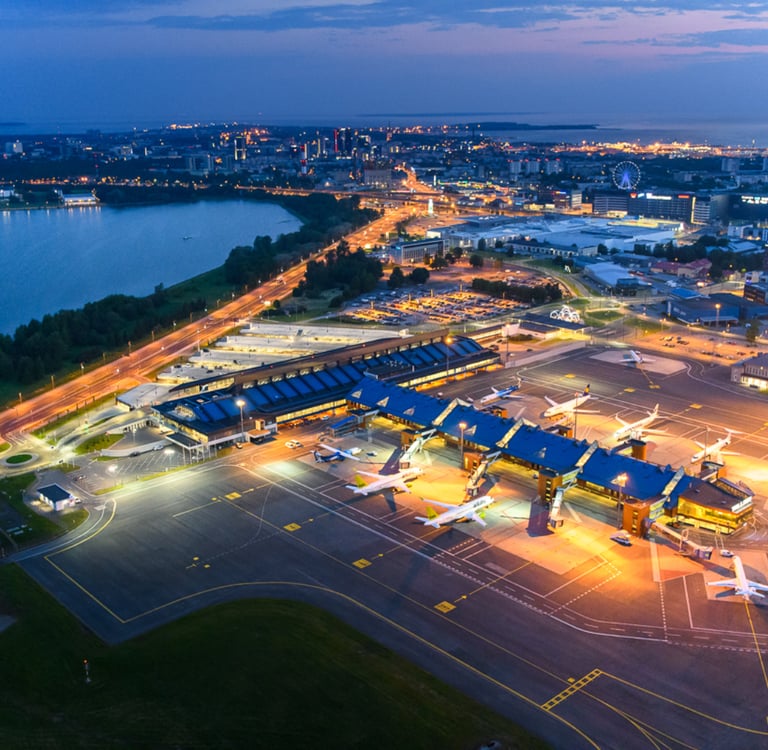
Tallinn Airport posts record traffic numbers, connecting Estonia to main business hubs.
Estonia’s aviation sector faces structural challenges due to its limited market size and fragmented infrastructure, with industry leadership pointing to the need for regional airport optimization (regionaalsete lennujaamade optimeerimine). According to Riivo Tuvike, Chairman of the Board of Tallinn Airport, the current network includes more facilities than can be economically sustained, particularly given the country’s population and passenger demand.
The primary constraint affecting aviation development is the small number of potential travelers, which directly impacts passenger demand levels (reisijate nõudluse tase). Airlines base their route decisions largely on demand, and insufficient passenger volumes can lead to reduced connectivity or route cancellations.
Fuel dynamics also play a role in shaping airline operations, although supply shortages are not currently expected in the Baltic region. Instead, the main concern is rising costs, as aviation fuel pricing (lennukikütuse hinnakujundus) significantly influences airline profitability. Fuel typically accounts for around 30 percent of operating costs, meaning price increases have a direct effect on ticket pricing and route viability.
Airlines are forced to balance cost increases between themselves and passengers, but only to a certain extent. Higher prices can be partially passed on, though companies must absorb part of the burden, reflecting the importance of cost structure management (kulustruktuuri haldamine) in maintaining operations.
Despite these pressures, demand remains the decisive factor. If passenger numbers are sufficient, routes are likely to continue operating. However, Estonia’s relatively small population limits market scalability potential (turu mastaapsuse potentsiaal) compared to neighboring countries with larger populations and greater travel demand.
Competition among low-cost carriers has introduced both opportunities and risks. Airlines frequently compete on the same routes, sometimes forcing weaker competitors to withdraw. This reflects ongoing low-cost carrier competition (odavlennufirmade konkurents), which can reshape route availability depending on pricing strategies and market positioning.
At the same time, some airlines have expanded their presence in the region by redefining their strategic priorities. The Baltic region is increasingly viewed as part of broader core markets, which has led to increased route network expansion (marsruudivõrgu laienemine) and additional flight frequencies on certain connections.
However, fluctuations in airline strategies remain a risk. Historical examples show that aggressive competition can quickly alter the market landscape, particularly when larger operators enter routes already served by smaller carriers.
Financial pressures are also evident across the industry, with airlines adjusting capacity in response to rising costs. This highlights the role of capacity adjustment strategies (mahu kohandamise strateegiad) in maintaining financial stability when operating conditions change.
When determining whether to serve a destination, airlines rely heavily on quantitative models, with passenger numbers being the most critical variable. Estonia’s limited population restricts its destination network competitiveness (sihtkohtade võrgustiku konkurentsivõime) compared to regional hubs such as Riga or Helsinki, which benefit from significantly larger catchment areas.
Recent data indicates that passenger volumes have grown, with increases in seat capacity exceeding the rise in actual demand. This has led to a slight decline in load factors, illustrating the challenge of balancing supply with capacity utilization efficiency (mahu kasutamise tõhusus).
Beyond Tallinn, the operation of multiple regional airports presents an additional economic burden. Most of these facilities operate at a loss and rely on public subsidies, reflecting issues related to infrastructure cost sustainability (taristu kulude jätkusuutlikkus). Only the main airport is financially self-sustaining under current conditions.
From a purely economic perspective, maintaining several underutilized airports is difficult to justify. However, these decisions are influenced by government policies aimed at ensuring regional accessibility, highlighting the tension between efficiency and regional development policy (regionaalpoliitika) objectives.
"From a purely economic standpoint, only Tallinn Airport is profitable; everything else requires subsidies."
The number of airports relative to population size is considered unusually high, indicating a mismatch between infrastructure and demand. Addressing this imbalance requires careful evaluation of airport network efficiency (lennujaamade võrgustiku tõhusus) and potential restructuring.
Some regional airports continue to serve specific functions, such as maintaining connectivity to remote areas or supporting local economies. Others, however, face uncertain futures due to minimal activity and limited demand, raising questions about operational viability (tegevuslik elujõulisus).
Government strategy currently prioritizes maintaining affordable airport fees to support connectivity rather than establishing a national airline. This approach reflects a focus on connectivity support measures (ühenduvuse toetamise meetmed), particularly for routes linking Estonia to major international hubs.
These hub connections are critical, as a majority of passengers rely on them for onward travel. Secondary routes, including leisure destinations, are considered beneficial when they support inbound tourism, aligning with broader tourism flow dynamics (turismivoogude dünaamika).
In contrast, purely outbound leisure routes are not a strategic priority and tend to emerge based on airline availability rather than policy support. This distinction reflects different categories within route prioritization strategy (marsruutide prioriseerimise strateegia).
Decisions about regional routes also depend on geographic and logistical factors. For example, flight viability is influenced by whether alternative transport options are efficient, affecting travel time competitiveness (reisiaja konkurentsivõime) between air and ground transport.
Key Estonian Vocabulary
regionaalsete lennujaamade optimeerimine regional airport optimization
reisijate nõudluse tase passenger demand levels
lennukikütuse hinnakujundus aviation fuel pricing
kulustruktuuri haldamine cost structure management
turu mastaapsuse potentsiaal market scalability potential
odavlennufirmade konkurents low-cost carrier competition
marsruudivõrgu laienemine route network expansion
mahu kohandamise strateegiad capacity adjustment strategies
sihtkohtade võrgustiku konkurentsivõime destination network competitiveness
mahu kasutamise tõhusus capacity utilization efficiency
taristu kulude jätkusuutlikkus infrastructure cost sustainability
regionaalpoliitika regional development policy
lennujaamade võrgustiku tõhusus airport network efficiency
tegevuslik elujõulisus operational viability
ühenduvuse toetamise meetmed connectivity support measures
turismivoogude dünaamika tourism flow dynamics
marsruutide prioriseerimise strateegia route prioritization strategy
reisiaja konkurentsivõime travel time competitiveness
For requests or suggestions: pr@estonianinstitute.com


Learn the official language of Estonia in 30 days thanks to the most complete Grammar, Vocabulary and Culture courses available. Start speaking Estonian today!
© Copyright 2026 Estonian Institute