
Narva Disinformation Campaign Raises Security Concerns on NATO’s Eastern Flank
Online narratives, psychological tactics, and historical parallels shape tensions in Estonia’s border region
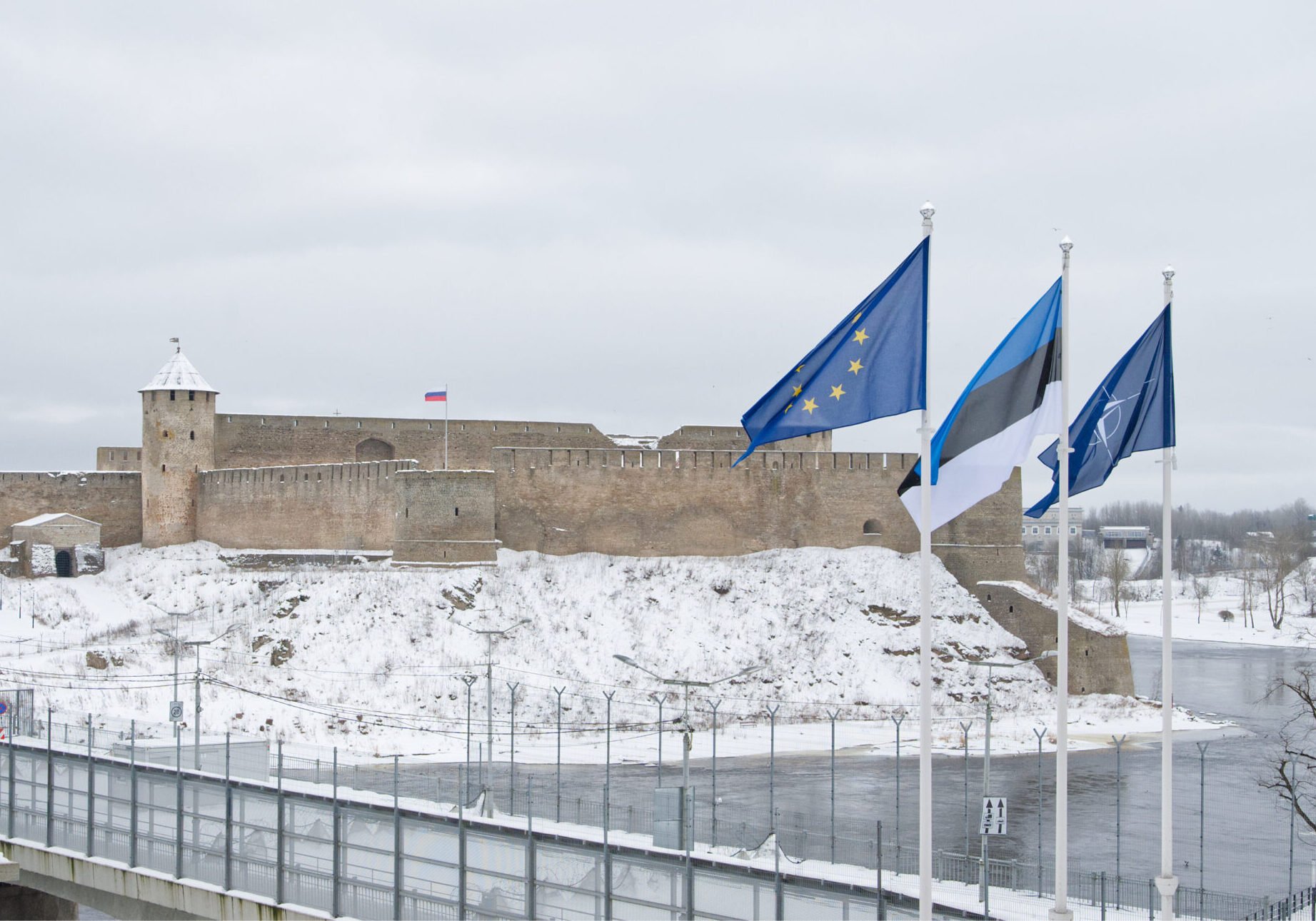
Could Russia use fake separatists to destabilize Estonia and discredit NATO?
An online influence operation has emerged portraying the Estonian city of Narva as a so-called “people’s republic,” using separatist narrative construction (separatistlik narratiivi kujundamine) to simulate political legitimacy. The campaign includes fabricated symbols such as flags, borders, and administrative imagery, reflecting a pattern of propaganda replication tactics (propaganda kordamise taktikad) previously observed in eastern Ukraine and Crimea. These elements are distributed primarily through social media platforms, where coordinated messaging attempts to establish an alternative political identity for the region.
Research conducted by the Estonian anti-propaganda initiative Propastop indicates that the campaign is structured around information manipulation strategies (infomanipulatsiooni strateegiad) targeting the country’s north-eastern population. The focus on Narva, located directly along the Russian border, reflects its demographic composition, with a predominantly Russian-speaking population. The narrative aims to create perceived divisions through ethno-linguistic framing (etnolingvistiline raamimine) that presents the region as distinct from the rest of Estonia.
The potential security implications extend beyond Estonia’s borders. NATO forces deployed in the Baltic region, including Germany’s Battletank Brigade stationed in Lithuania, are part of a broader deterrence posture (heidutuspositsioon) designed to respond to regional instability. The brigade, located in Pabradė, approximately 400 kilometres from Narva, operates within NATO’s framework for collective defence readiness (kollektiivkaitse valmisolek), meaning that any escalation could involve multinational military coordination.
Military expert Carlo Masala addressed this scenario, stating that “the German presence in Lithuania would, of course, be called upon immediately as reinforcement.” At the same time, he noted that decision-makers might consider limiting deployment to avoid escalation dynamics (eskalatsiooni dünaamika) within neighbouring territories. This reflects the complexity of balancing rapid response with the risks associated with broader conflict expansion.
The messaging infrastructure behind the campaign relies heavily on encrypted platforms, particularly Telegram. One channel, titled “Narva Republic,” was created in July 2025 and became active in February 2026, accumulating over 700 subscribers. Its content combines incitement rhetoric (õhutamisretoorika) with narratives alleging discrimination against Russian speakers, alongside claims intended to provoke fear through threat amplification techniques (ohu võimendamise tehnikad).
A post dated 19 February quotes Estonian Foreign Minister Margus Tsahkna: "The Estonian army will cross the border and shift the war to Russian territory if the Russian army invades Estonia," followed by the question: "Are you afraid?" However, this statement represents a contextual distortion (konteksti moonutamine) of his remarks. In the original interview, the reference was to defensive measures in response to aggression, not to any form of pre-emptive military action.
Other posts within the channel promote the idea of autonomy for the region, warning that refusal could lead to a “full-fledged armed conflict.” This messaging reflects a pattern of conflict escalation framing (konflikti eskalatsiooni raamimine) designed to normalise the concept of separatism and prepare audiences for more extreme scenarios, including the hypothetical formation of a new political entity within Ida-Viru County.
According to Masala, the campaign does not currently indicate an immediate military threat but should be understood as part of a broader psychological warfare operation (psühholoogiline sõjategevus). He emphasised that Russia is unlikely to open an additional front while engaged in Ukraine, yet the informational dimension remains significant. The objective is not necessarily territorial control but the generation of uncertainty through cognitive destabilisation methods (kognitiivse destabiliseerimise meetodid).
A notable feature of the campaign is its use of memes and staged humour. These include fictional “daily routines” of a so-called militia, describing imagined operations such as the “storming” of Narva and subsequent occupation of nearby towns. This blend of humour and propaganda represents hybrid messaging formats (hübriidsed sõnumivormid) designed to lower audience resistance while reinforcing underlying narratives.
Visual materials accompanying these posts include maps of a supposed republic and redesigned symbols, reinforcing territorial reimagination concepts (territoriaalse ümberkujundamise kontseptsioonid). Such imagery plays a role in making abstract narratives appear tangible, increasing their potential psychological impact on local populations.
In the event of escalation, NATO’s operational plans would be activated, although specific details remain classified due to strategic confidentiality requirements (strateegilise konfidentsiaalsuse nõuded). Masala explained that initial response efforts would likely involve forces already present in Estonia under the Enhanced Forward Presence framework, supported by reinforcements from neighbouring deployments.
Narva itself occupies a strategically sensitive position. With approximately 50,000 residents and a population that is over 90% Russian-speaking, the city reflects a complex historical legacy shaped by post-war demographic restructuring (sõjajärgne demograafiline ümberkujundamine) following Soviet-era population movements. Despite this, previous reporting indicates that many residents do not perceive systemic discrimination in their daily lives.
Russian state media has consistently presented an alternative narrative, portraying Russian-speaking communities in the Baltic states as victims of persecution. These claims form part of state-sponsored information campaigns (riigi toetatud infokampaaniad) that have been repeated across various platforms, including televised talk shows and online channels.
Estonia’s internal security service has assessed the Narva narrative as part of a coordinated influence operation (koordineeritud mõjutusoperatsioon). An agency spokesperson stated: "Such tactics have been used before, both in Estonia and elsewhere," adding that it is “a simple and low-cost way to provoke and intimidate society.” The objective is to undermine social cohesion mechanisms (sotsiaalse sidususe mehhanismid) and create divisions within the population.
Historical precedents reinforce these concerns. In 2014, similar narratives were used during the declaration of the so-called “people’s republics” in Donetsk and Luhansk, as well as during the annexation of Crimea, where unmarked military personnel (tundmatute tähistega sõjaväelased) were deployed to establish control. These methods relied on ambiguity and deniability, forming part of a broader hybrid strategy.
International organisations, including the Council of Europe, the UN High Commissioner for Human Rights, and the OSCE, have found no evidence supporting claims of systematic persecution of Russian-speaking populations in Ukraine. These findings counter narratives used to justify military actions and highlight the role of disinformation justification frameworks (desinformatsiooni õigustamise raamistikud) in shaping public perception.
Political analyst Nico Lange warned that the Narva narrative could serve as a preparatory stage for future claims of oppression, writing that “this propaganda must be exposed, networks of influence dismantled, and Russian intelligence operatives expelled.” His assessment underscores the importance of counter-disinformation measures (vastuinfo meetmed) in maintaining stability within vulnerable regions.
The situation in Narva illustrates how digital narratives can intersect with geopolitical tensions, demonstrating that modern security challenges increasingly involve the manipulation of perception alongside traditional military considerations.
Key Estonian Vocabulary
separatistlik narratiivi kujundamine separatist narrative construction
propaganda kordamise taktikad propaganda replication tactics
infomanipulatsiooni strateegiad information manipulation strategies
etnolingvistiline raamimine ethno-linguistic framing
heidutuspositsioon deterrence posture
kollektiivkaitse valmisolek collective defence readiness
eskalatsiooni dünaamika escalation dynamics
õhutamisretoorika incitement rhetoric
ohu võimendamise tehnikad threat amplification techniques
konteksti moonutamine contextual distortion
konflikti eskalatsiooni raamimine conflict escalation framing
psühholoogiline sõjategevus psychological warfare operation
kognitiivse destabiliseerimise meetodid cognitive destabilisation methods
hübriidsed sõnumivormid hybrid messaging formats
territoriaalse ümberkujundamise kontseptsioonid territorial reimagination concepts
strateegilise konfidentsiaalsuse nõuded strategic confidentiality requirements
sõjajärgne demograafiline ümberkujundamine post-war demographic restructuring
riigi toetatud infokampaaniad state-sponsored information campaigns
koordineeritud mõjutusoperatsioon coordinated influence operation
sotsiaalse sidususe mehhanismid social cohesion mechanisms
tundmatute tähistega sõjaväelased unmarked military personnel
desinformatsiooni õigustamise raamistikud disinformation justification frameworks
vastuinfo meetmed counter-disinformation measures
For requests or suggestions: pr@estonianinstitute.com


Learn the official language of Estonia in 30 days thanks to the most complete Grammar, Vocabulary and Culture courses available. Start speaking Estonian today!
© Copyright 2026 Estonian Institute