
Mai Narva Climbs to 32nd in Global Chess Rankings After Strong Tournament Performance
Improved rating reflects consistent results against top-level opponents
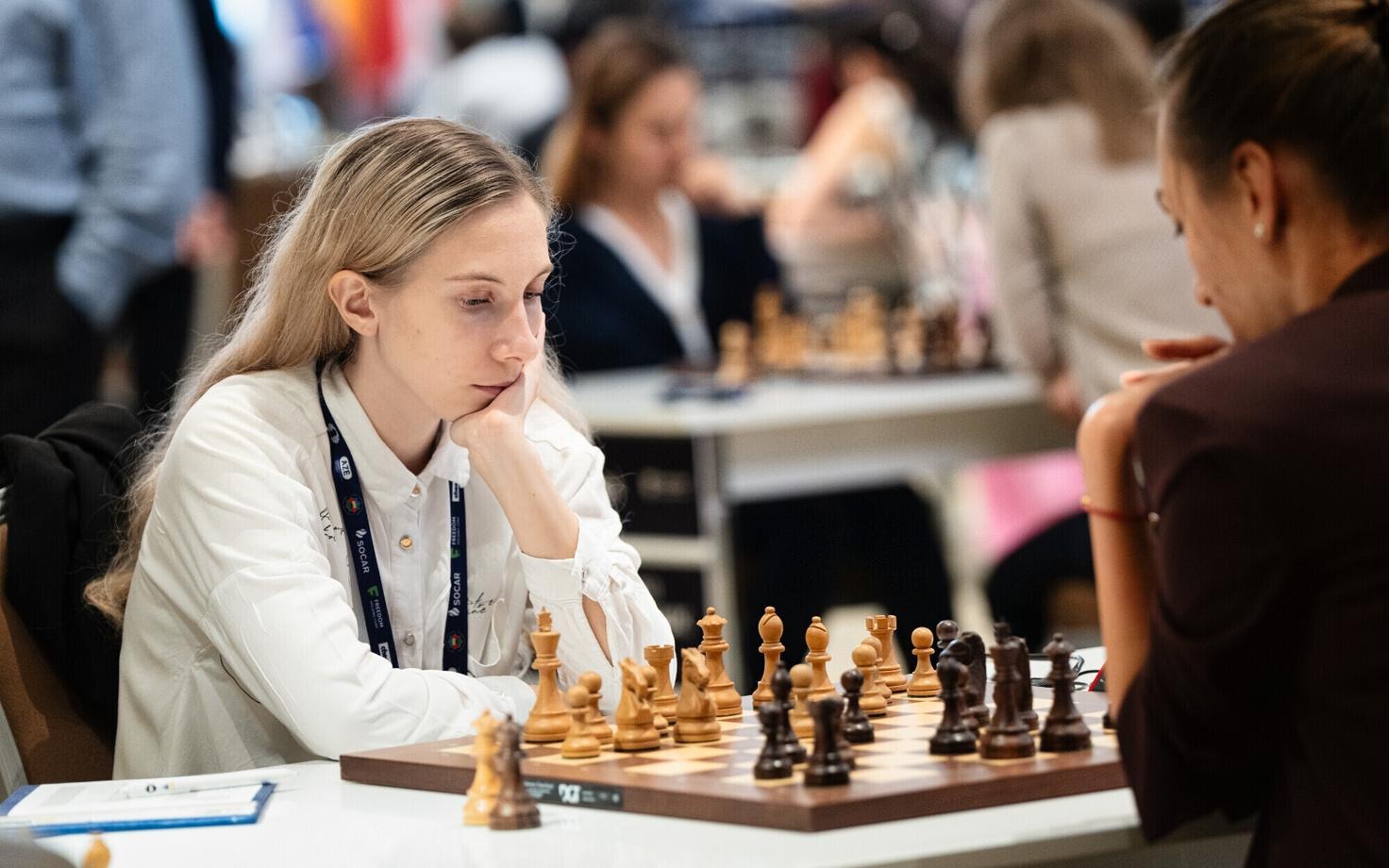
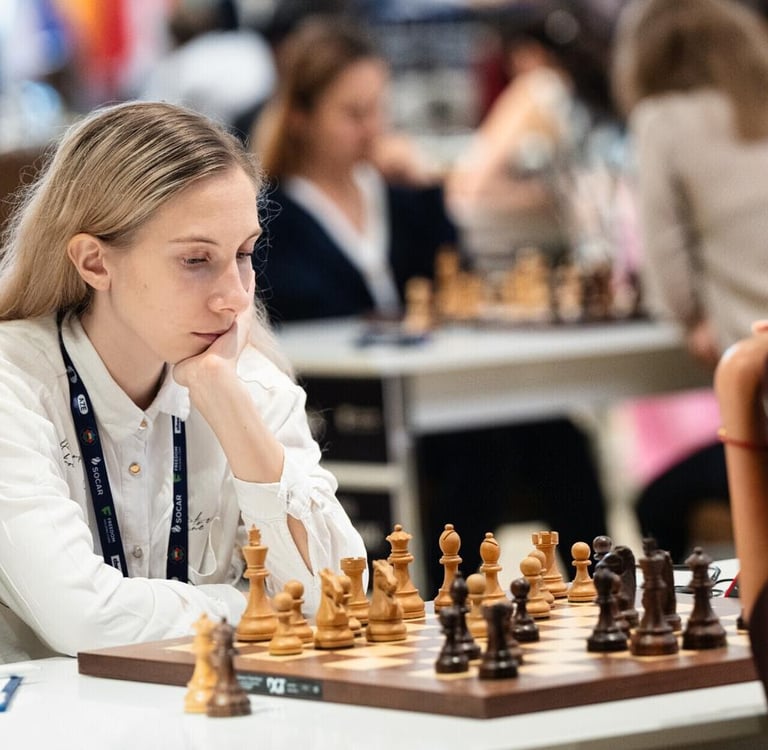
Estonian chess champion Mai Narva is aiming for Grandmaster status.
Chess rankings (maletabelid) for Estonia’s leading player improved significantly following a strong international performance, as Mai Narva advanced to 32nd place in the latest global standings. This rise reflects progress in her competitive performance (võistlustulemus) at a high-level tournament held in Reykjavik.
At the Iceland event, Narva placed 30th out of 400 participants, achieving one of the best results among female competitors. Her position as the third-highest placed woman highlights her standing in elite competition (tipptasemel võistlus) and confirms her ability to perform consistently against strong opposition.
During the tournament, she recorded one win and four draws against international grandmasters, contributing to a tournament rating of 2,541. This performance resulted in an increase of 18.5 points in her official rating, demonstrating measurable progress in rating growth (reitingu kasv) within the International Chess Federation system.
The updated rankings place her at a career-best position globally among women, while within Europe she now ranks 12th. This advancement illustrates steady improvement in player development (mängija areng) and reflects the importance of strong results in major tournaments.
At the top of the global list, the highest positions remain dominated by players from China, including Hou Yifan, Lei Tingjie, Ju Wenjun, and Zhu Jiner. Their continued presence at the top highlights ongoing trends in global dominance (ülemaailmne domineerimine) within women’s chess.
In the overall rankings, Norway’s Magnus Carlsen remains the leading player with 2,840 points, followed by Hikaru Nakamura and Fabiano Caruana. These standings reflect stability in top-level rankings (tipptasemel edetabelid), where leading players maintain their positions through consistent high performance.
Narva’s recent results underline the importance of competing at strong international events to gain rating points and improve rankings. Facing high-rated opponents provides opportunities for performance gains (soorituse paranemine), especially when achieving draws or wins against stronger players.
Her rise also reflects the competitive structure of chess rankings, where incremental improvements accumulate over time. The addition of rating points demonstrates how consistent results contribute to long-term progress (pikaajaline areng) in professional chess.
Overall, this achievement marks a significant milestone in Narva’s career, reinforcing her position among Europe’s top players and highlighting Estonia’s presence in the international chess scene.
Key Estonian Vocabulary
maletabelid chess rankings
võistlustulemus competitive performance
tipptasemel võistlus elite competition
reitingu kasv rating growth
mängija areng player development
ülemaailmne domineerimine global dominance
tipptasemel edetabelid top-level rankings
soorituse paranemine performance gains
pikaajaline areng long-term progress
For requests or suggestions: pr@estonianinstitute.com


Learn the official language of Estonia in 30 days thanks to the most complete Grammar, Vocabulary and Culture courses available. Start speaking Estonian today!
© Copyright 2026 Estonian Institute