
Local Vendors at Estonian Fairs Struggle Against Cheap Imported Goods
Rising costs and shifting market dynamics challenge traditional sellers
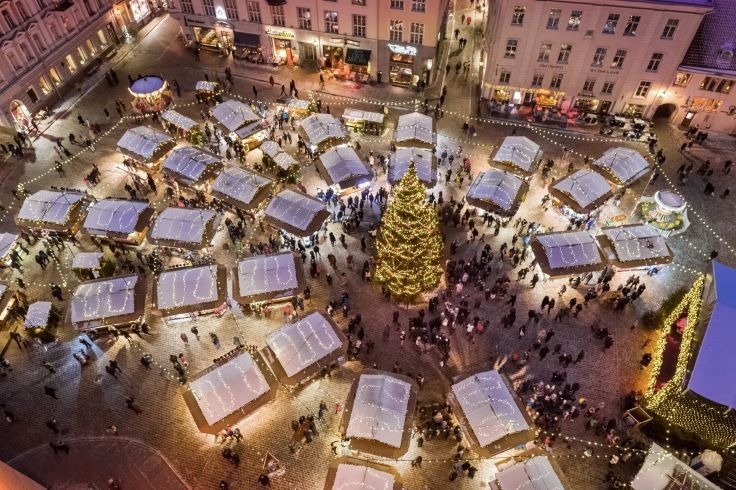
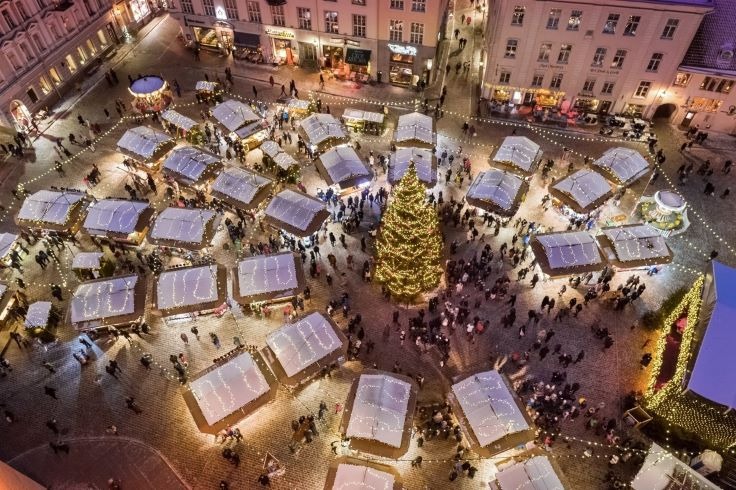
Estonia's famous Christmas Markets.
Spring fairs in Tallinn have attracted large crowds as warmer weather returns, but behind the lively atmosphere, local vendors report increasing difficulties competing with low-cost imported goods (odavad impordikaubad). Events such as the Põhja-Tallinn Spring Fair at Stroomi Beach highlight a growing divide between traditional sellers and those offering inexpensive mass-produced items.
The fair environment reflects two distinct categories of vendors. On one side are local artisans and food producers selling handmade products and regional specialties. On the other are traders offering imported goods at significantly lower prices. This contrast illustrates the pressure created by price competition (hinnakonkurents) in open marketplaces, where cost often influences purchasing decisions.
Despite strong attendance, vendors note that local producers are becoming less common. Organizers observe a gradual decline in the number of artisans participating in such events, pointing to structural challenges within the market. This trend is linked to market displacement (turult tõrjumine), where traditional producers struggle to maintain visibility and competitiveness.
Some vendors continue to perform well due to established reputations and product quality. “We're doing well, since we have very good meat and we're well known,” said Meelike, a smoked ham seller. “I'm also a bold salesperson.” Her experience highlights the importance of brand recognition (brändituntus) and customer relationships in sustaining sales.
Many sellers rely on a seasonal circuit of fairs, attending dozens of events during the summer months. This approach reflects a form of mobile retail strategy (liikuv müügistrateegia), allowing vendors to reach different customer bases. However, participation decisions are increasingly influenced by rising operational costs, including stall fees.
Higher participation costs directly affect pricing. Vendors report that increasing fees force them to raise prices, which can reduce competitiveness against cheaper imports. This dynamic illustrates the impact of cost inflation (kulude inflatsioon) on small-scale producers operating in price-sensitive environments.
"A half-kilo jar of regular honey is €5," said Martin, a honey seller. “Everyone understands things are getting more expensive. I can't say people have gotten used to it, but everyone's struggling, and people understand others need to make a living too.” His comments reflect broader economic pressures and the reality of consumer price sensitivity (tarbijate hinnatundlikkus).
The challenge extends beyond pricing to sales techniques and product differentiation. Vendors emphasize that personal interaction plays a crucial role in attracting buyers. “Being good at chit-chat,” Meelike explained, pointing to the importance of customer engagement skills (kliendisuhtlusoskused) in maintaining sales.
Others stress that quality remains the decisive factor. “You need to sell good goods,” said Anatoli, who sells fish products. “If you're selling junk, you're not gonna find buyers.” This perspective underscores the role of product quality differentiation (tootekvaliteedi eristamine) in competing within a crowded marketplace.
The growing presence of imported goods is reshaping the character of traditional fairs. While these events were historically dominated by local craftsmanship and regional products, they are increasingly influenced by global supply chains. This shift reflects broader trends in market globalization (turu globaliseerumine), which affect even small-scale local economies.
For local vendors, the situation requires adaptation. Success depends on combining quality, branding, and interpersonal skills while managing rising costs. However, the structural imbalance between handmade goods and mass-produced imports continues to pose a challenge, particularly for smaller producers with limited margins.
Ultimately, the experience of Estonian fair vendors highlights the intersection of local tradition and global economic forces. While demand for authentic products remains, maintaining viability in a competitive environment requires resilience and strategic adjustment to evolving market conditions.
Key Estonian Vocabulary
odavad impordikaubad low-cost imported goods
hinnakonkurents price competition
turult tõrjumine market displacement
brändituntus brand recognition
liikuv müügistrateegia mobile retail strategy
kulude inflatsioon cost inflation
tarbijate hinnatundlikkus consumer price sensitivity
kliendisuhtlusoskused customer engagement skills
tootekvaliteedi eristamine product quality differentiation
turu globaliseerumine market globalization
For requests or suggestions: pr@estonianinstitute.com


Learn the official language of Estonia in 30 days thanks to the most complete Grammar, Vocabulary and Culture courses available. Start speaking Estonian today!
© Copyright 2026 Estonian Institute