Holocaust Memorial in Estonia Vandalized, Sparking International Condemnation
Damage to remote monument raises concerns over antisemitism and protection of historical sites
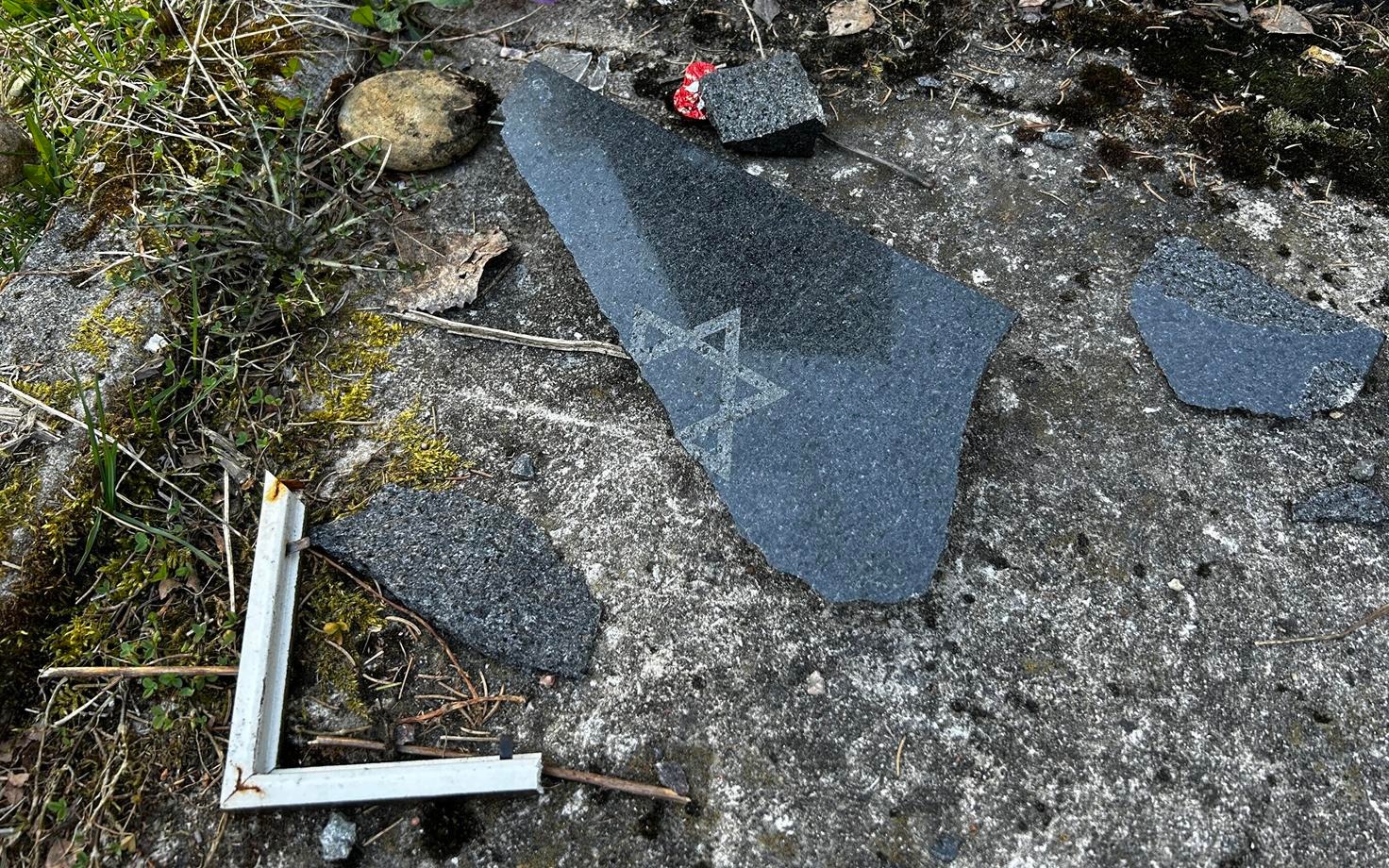
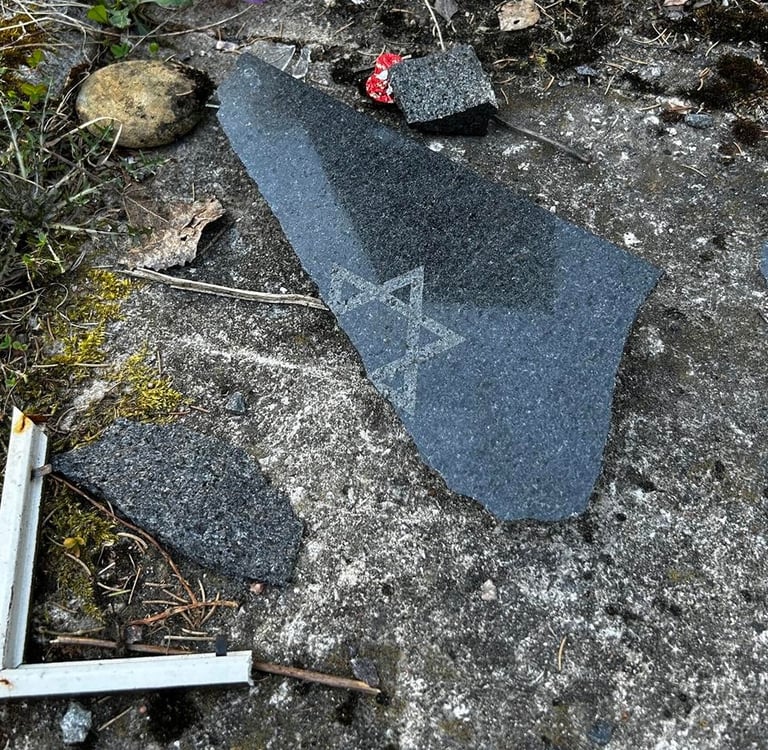
A Holocaust memorial in Ereda, Estonia has been damaged in a vandalism attack.
Authorities in Estonia confirmed that a Holocaust memorial located in Ida-Viru County was recently discovered in a heavily damaged state, drawing attention to memorial vandalism incident (mälestusmärgi vandalismi juhtum) and broader concerns about the preservation of historical sites. The monument, situated in a remote forested area, was found with visible structural damage, including dents, broken components, and bent fastenings.
Law enforcement officials reported that no suspects have yet been identified, partly due to the isolated location and absence of surveillance systems. The lack of monitoring infrastructure highlights challenges in protecting such sites and underscores vulnerabilities linked to remote site security gaps (eraldatud asukoha turvalisuse puudujäägid).
The damaged structure is part of Estonia’s network of Holocaust memorials, which serve to commemorate victims of genocide and preserve historical memory. The destruction of the monument has been described as a violation of historical remembrance preservation (ajaloolise mälestuse säilitamine), emphasizing the importance of safeguarding sites associated with past atrocities.
Community representatives expressed concern over the incident, stating that such acts harm both collective memory and social values. The event has been framed as an attack not only on a physical structure but also on collective memory integrity (kollektiivse mälu terviklikkus) within society.
“This is not just vandalism but a deliberate attack on historical memory, truth, and the dignity of the victims of the Holocaust,” the embassy said on Facebook. “At a time like this, the desecration of the Holocaust memorial and the public antisemitism on the street is more shocking.”
The timing of the incident coincided with Holocaust Remembrance Day commemorations, increasing its symbolic impact. Officials noted that the act occurred during a period dedicated to honoring victims, which amplifies concerns about commemorative period sensitivity (mälestusperioodi tundlikkus) and respect for historical events.
International responses followed shortly after the incident was reported. Diplomatic representatives from multiple countries publicly condemned the vandalism, reinforcing the global importance of antisemitism monitoring efforts (antisemitismi jälgimise jõupingutused) and the protection of Jewish heritage sites.
“This is not just vandalism but a deliberate attack on historical memory”
Statements from foreign officials characterized the act as part of a broader pattern of hostility. The incident was described as evidence that antisemitism remains an active issue, linked to extremist ideology expression (äärmusliku ideoloogia väljendus) that can manifest in physical attacks on symbolic locations.
Further reactions emphasized that damage to memorials represents an attempt to undermine historical awareness. The act was interpreted as an effort to weaken historical truth recognition (ajaloolise tõe tunnustamine) and diminish public understanding of past events.
The involvement of international diplomatic missions highlights the significance of the incident beyond national borders. Cooperation between countries in responding to such events reflects ongoing international diplomatic response coordination (rahvusvaheline diplomaatiline koordineerimine) aimed at addressing hate-related incidents.
In addition to diplomatic condemnation, the case has prompted renewed discussion about how memorials are protected, particularly those located outside urban areas. Experts note that ensuring the security of such sites requires balancing accessibility with heritage site protection measures (pärandipaikade kaitsemeetmed).
Holocaust memorials play a central role in educational and commemorative efforts, serving as physical reminders of historical events. Damage to these sites disrupts their function and raises concerns about public historical awareness preservation (avaliku ajalooteadlikkuse säilitamine).
Research across Europe indicates that vandalism targeting memorials is often linked to broader social and political tensions, including extremist narratives. Monitoring and responding to these patterns is part of wider hate crime prevention strategies (vihakuritegude ennetamise strateegiad) implemented by governments and international organizations.
The incident also highlights the legal dimension of protecting cultural heritage. Many countries classify attacks on memorials as serious offenses under laws governing cultural heritage protection (kultuuripärandi kaitse), though enforcement can be complicated in cases where perpetrators are not identified.
As investigations continue, authorities face the challenge of identifying those responsible while also considering measures to prevent similar incidents. The case reinforces the need for stronger site monitoring systems (objekti jälgimissüsteemid), particularly in locations where physical oversight is limited.
Key Estonian Vocabulary
mälestusmärgi vandalismi juhtum memorial vandalism incident
eraldatud asukoha turvalisuse puudujäägid remote site security gaps
ajaloolise mälestuse säilitamine historical remembrance preservation
kollektiivse mälu terviklikkus collective memory integrity
mälestusperioodi tundlikkus commemorative period sensitivity
antisemitismi jälgimise jõupingutused antisemitism monitoring efforts
äärmusliku ideoloogia väljendus extremist ideology expression
ajaloolise tõe tunnustamine historical truth recognition
rahvusvaheline diplomaatiline koordineerimine international diplomatic response coordination
pärandipaikade kaitsemeetmed heritage site protection measures
avaliku ajalooteadlikkuse säilitamine public historical awareness preservation
vihakuritegude ennetamise strateegiad hate crime prevention strategies
kultuuripärandi kaitse cultural heritage protection
objekti jälgimissüsteemid site monitoring systems
For requests or suggestions: pr@estonianinstitute.com
Learn the official language of Estonia in 30 days thanks to the most complete Grammar, Vocabulary and Culture courses available. Start speaking Estonian today!
© Copyright 2026 Estonian Institute