France Urges Estonia to Broaden Museum Focus to Include Victims of Nazism
Debate over historical memory intensifies ahead of Patarei museum opening in 2027
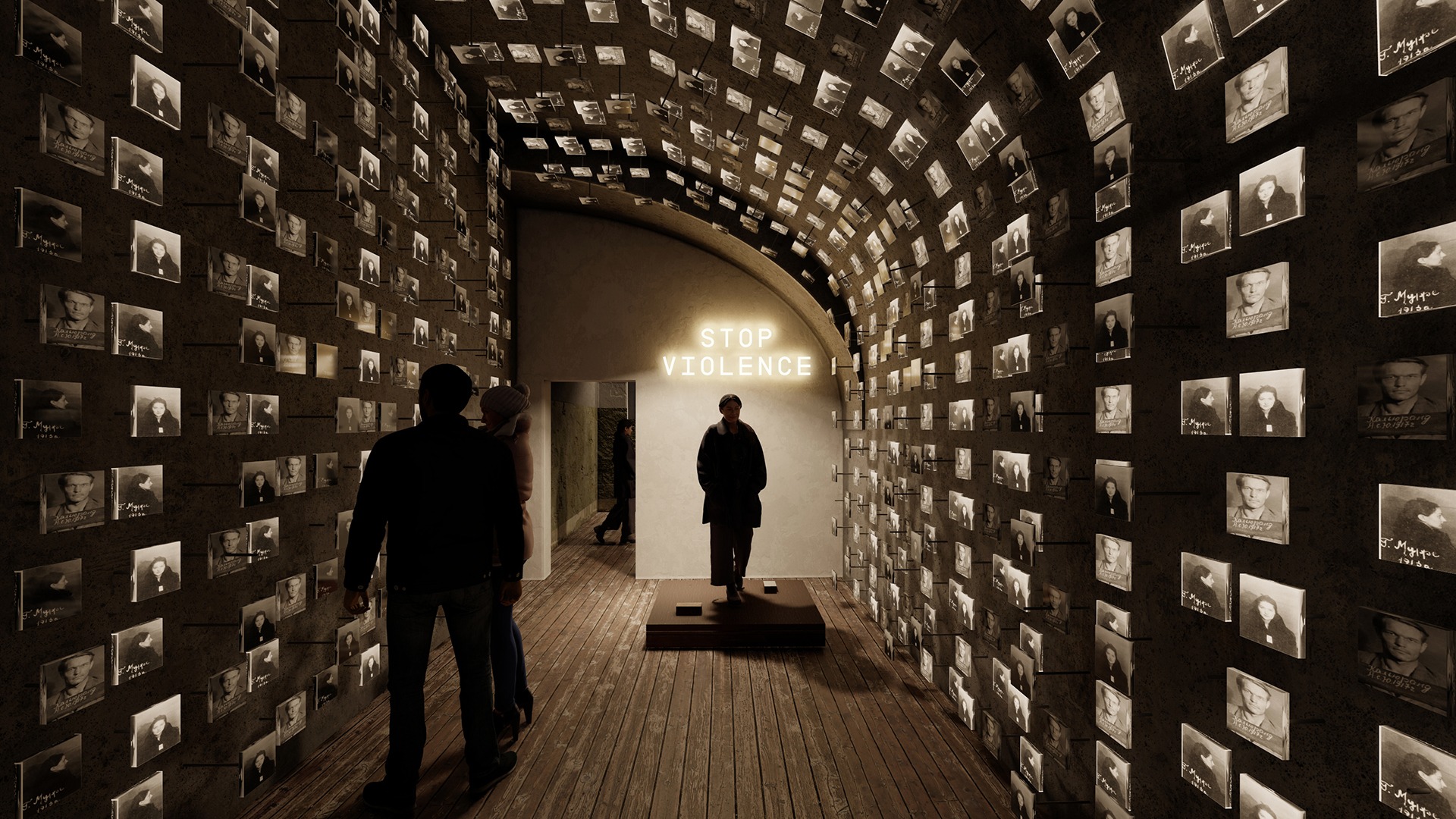
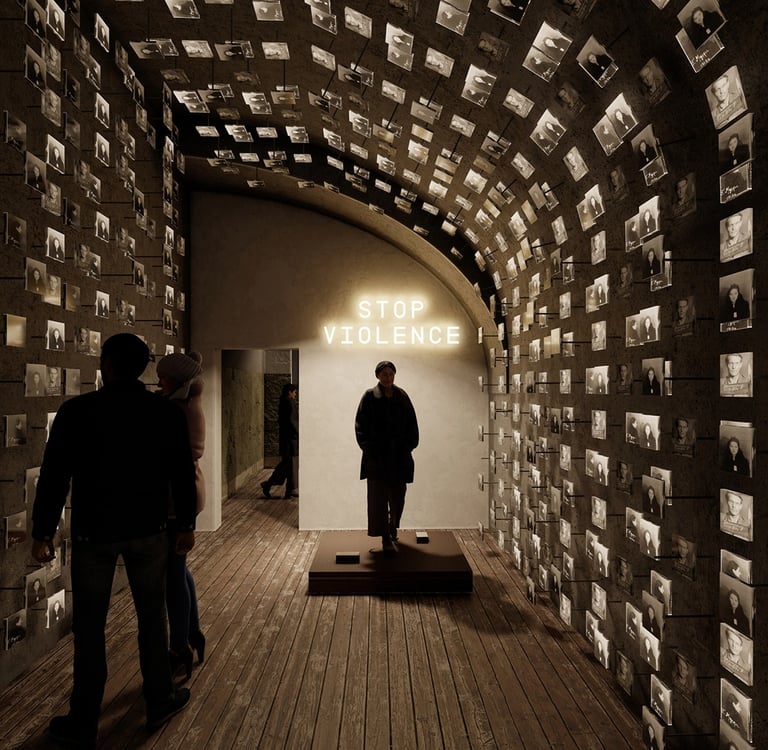
Estonia wants Patarei Museum to focus on communist crimes.
A diplomatic request from France has prompted discussion in Estonia over how historical memory should be represented in a new museum dedicated to totalitarian crimes. The French Embassy in Tallinn has asked Estonian authorities to reconsider the planned name of the future institution, arguing that it should reflect not only Soviet repression but also Nazi crimes. This proposal highlights tensions surrounding historical representation (ajalooline kujutamine) and the scope of collective remembrance.
The museum, scheduled to open in 2027 at the Patarei Sea Fortress, is currently planned under the title International Museum for the Victims of Communism. French officials argue that such a name is too narrow and does not encompass the full historical experience of the site. Their position emphasizes the importance of inclusive memorialization (kaasav mälestamine) that acknowledges all victims of totalitarian regimes.
“The name of the Museum should reflect its whole history, and not only the evils of the Soviet communist regime,” the embassy wrote, pointing out that the museum will include a dedicated section for Holocaust victims. This argument is rooted in the principle of comprehensive historical narrative (kõikehõlmav ajalooline narratiiv), ensuring that different layers of history are presented without exclusion.
The historical context of Patarei prison plays a central role in the debate. During World War II, the site was used under German occupation, including as a detention point for Jewish deportees. According to the embassy, 300 Jews from Convoy 73, deported from France in May 1944, were brought to the facility. They endured harsh conditions, forced labor, and executions, illustrating the site’s connection to Holocaust history (holokausti ajalugu).
“Among them were André and Jean Jacob, father and brother of Simone Veil, the first Chairwoman of the European Parliament (1979–1982) and Minister in France. Only 22 returned.” This historical reference underscores the human dimension of the events and reinforces the call for broader recognition within the museum’s framework.
France has suggested alternative naming options, including the International Museum for the Victims of Communism and Nazism or the International Museum for the Victims of Totalitarian Regimes. These proposals aim to align the institution with a broader interpretation of totalitarian crimes (totalitaarsete kuritegude) and shared European memory.
“We do not deny its portrayal of Soviet terror, we abide by a simple rule: the imperative need to preserve the traces of the victims of alI terrors. The singularity of each memory has to be showed, in order not to be denied,” the embassy stated. This reflects a perspective that emphasizes memory preservation principles (mälu säilitamise põhimõtted) as central to historical institutions.
The issue has also been raised domestically. Estonia’s justice minister previously received a similar proposal from local representatives, including the Estonian Jewish Museum and the country’s Chief Rabbi. However, the government has so far indicated that it does not plan to change the museum’s name, while still committing to include a dedicated exhibition area for Holocaust victims. This approach reflects an attempt to balance national memory policy (rahvuslik mälupoliitika) with international expectations.
Patarei prison itself has a complex and layered history. Located on the coast of Tallinn Bay, it functioned as a prison from 1919 until 2005 and was used during both Soviet and Nazi occupations. The site has since been transformed into a memorial and exhibition space, illustrating the broader trajectory of historical site transformation (ajaloolise paiga ümberkujundamine) into a place of remembrance.
Previous initiatives have already addressed parts of this history. In 2010, a memorial was unveiled to commemorate French Jewish deportees, and in 2019, an exhibition was opened to present the experiences of prisoners under different regimes. These developments demonstrate ongoing efforts toward public historical education (avalik ajalooalane haridus) and awareness-building.
The institution aims to become a leading global center focused on communist crimes, combining exhibitions, research, and digital projects. According to its organizers, the museum will work to ensure that the nature of communist regimes is documented and understood internationally. This mission reflects a commitment to historical accountability (ajalooline vastutus) and the prevention of ideological distortion.
At the same time, the current debate illustrates the broader European challenge of reconciling different historical experiences within a shared narrative. Countries in Central and Eastern Europe often emphasize the legacy of Soviet repression, while Western European perspectives may place greater focus on the Holocaust. This divergence highlights the complexity of collective memory construction (kollektiivse mälu kujundamine) across the continent.
Ultimately, the discussion over the museum’s name is not only about terminology but also about how history is framed and communicated. It raises fundamental questions about inclusion, balance, and the role of public institutions in shaping understanding of the past. As preparations for the museum continue, the outcome of this debate may influence how Estonia presents its historical narrative to both domestic and international audiences.
Key Estonian Vocabulary
ajalooline kujutamine historical representation
kaasav mälestamine inclusive memorialization
kõikehõlmav ajalooline narratiiv comprehensive historical narrative
holokausti ajalugu Holocaust history
totalitaarsete kuritegude totalitarian crimes
mälu säilitamise põhimõtted memory preservation principles
rahvuslik mälupoliitika national memory policy
ajaloolise paiga ümberkujundamine historical site transformation
avalik ajalooalane haridus public historical education
ajalooline vastutus historical accountability
kollektiivse mälu kujundamine collective memory construction
For requests or suggestions: pr@estonianinstitute.com
Learn the official language of Estonia in 30 days thanks to the most complete Grammar, Vocabulary and Culture courses available. Start speaking Estonian today!
© Copyright 2026 Estonian Institute