Five Cultural Anchors That Sustained Estonians During the Soviet Period
Personal memory, cultural continuity, and informal resistance shaped everyday survival under Soviet rule
Latest trends from the past.
During the Soviet period, daily life in Estonia was shaped by a system that imposed ideological control and limited personal freedoms, yet people developed various ways to cope with oppressive conditions (rõhuvad tingimused) and preserve a sense of identity. These coping mechanisms were not isolated experiences but reflected broader patterns across generations, forming a shared framework of collective endurance (kollektiivne vastupidavus). Reflection on this period often intensifies around national anniversaries, when historical memory intersects with contemporary concerns about political and social stability.
The persistence of pro-Russian sentiment among some segments of society in recent years, amplified through online disinformation networks (veebipõhised desinformatsioonivõrgustikud), has prompted renewed examination of how earlier generations maintained hope. During the 1970s and 1980s, Estonians faced systemic pressures such as Russification policies (venestamispoliitika) in education and workplaces, alongside demographic changes driven by migration. These conditions created a need for psychological and cultural strategies that could sustain morale over time.
Urban transformation was one of the most visible aspects of Soviet influence. In Tallinn, residents observed a gradual shift in linguistic and cultural space, reflecting demographic restructuring (demograafiline ümberkujundamine) that altered the city’s identity. Within this environment, certain spaces such as theatres and large cultural events provided a refuge where national cultural expression (rahvuslik kultuuriline väljendus) could still be experienced, even if indirectly constrained by the political system.
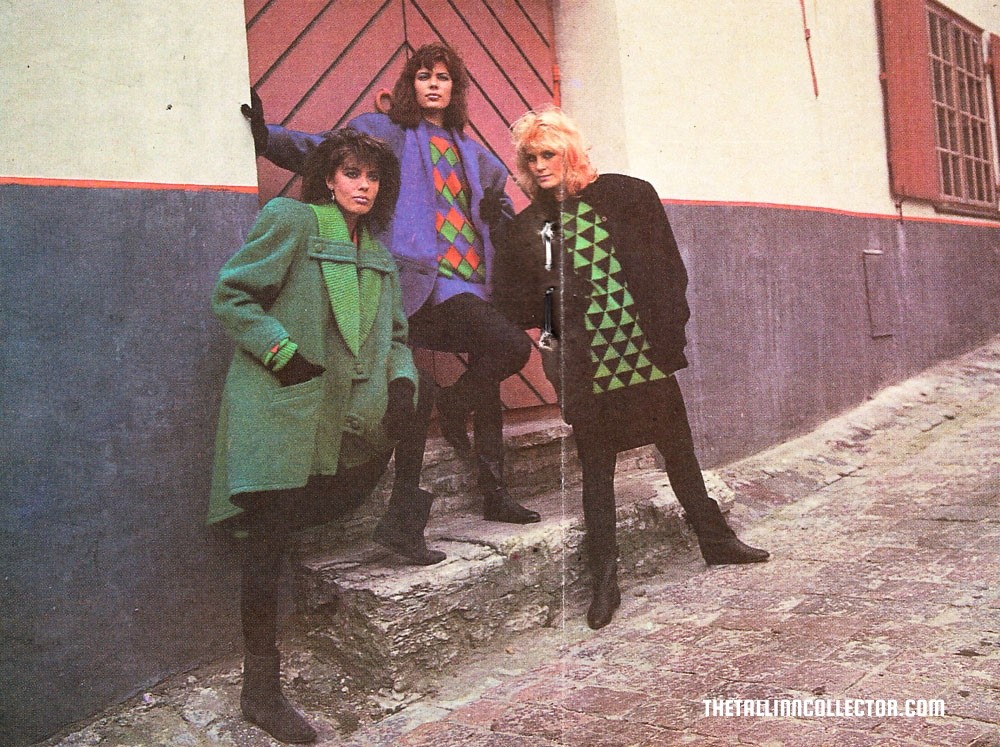
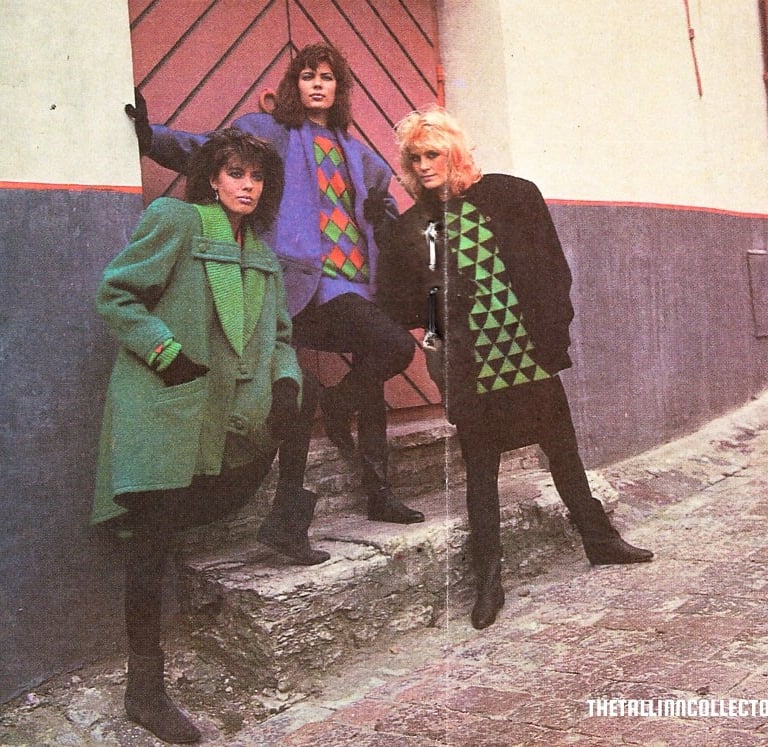
One of the most significant psychological supports was a sustained fascination with Western culture. Exposure to Western media influences (lääne meedia mõjud) through music, television, and fashion created a symbolic alternative to Soviet reality. Access was limited but impactful: recordings of foreign bands, Finnish television broadcasts, and rare consumer goods contributed to a sense of aspirational imagination (püüdluslik kujutlus) that extended beyond immediate circumstances. These elements functioned as reminders of a different socio-political model and offered emotional relief.
Cultural institutions within Estonia itself also played a central role. Theatre performances, both live and televised, became a medium for preserving language, literature, and historical awareness. Participation in performing arts traditions (etenduskunstide traditsioonid) helped reinforce continuity with pre-Soviet cultural identity. Regular theatre attendance created an environment where individuals could engage with historical narratives (ajaloolised narratiivid) that were otherwise marginalised in official discourse.
Mass cultural events such as the Song and Dance Festivals provided another layer of communal reinforcement. These gatherings brought together large segments of the population, creating a shared experience of collective cultural participation (kollektiivne kultuuriline osalus). Although Soviet symbolism was present, including official messaging and visual elements, the events still functioned as expressions of national identity. For many participants, the atmosphere combined cultural pride with everyday elements such as food and entertainment, contributing to a sense of continuity.
Private life also served as a domain of relative autonomy. Family gatherings and celebrations became spaces where people could engage in informal social interaction (mitteametlik sotsiaalne suhtlus) outside direct state oversight. These events often included storytelling, music, and the sharing of scarce goods, reinforcing social bonds and creating a perception of emotional resilience (emotsionaalne vastupidavus). Access to imported items, even if limited, added symbolic value and reinforced connections to the outside world.
Rural environments offered an additional form of escape from the pressures of Soviet urban life. Time spent in the countryside exposed individuals to remnants of pre-war material culture (sõjaeelne materiaalne kultuur) preserved in family homes and farm buildings. Objects such as books, photographs, and household items provided tangible links to Estonia’s past, contributing to historical consciousness (ajalooline teadvus). These experiences often shaped perceptions of national continuity across generations.
Natural landscapes also played a role in maintaining psychological balance. Forests, bogs, and lakes provided access to relatively untouched environments where environmental isolation (keskkondlik eraldatus) limited the visibility of Soviet control. Outdoor activities such as hiking allowed individuals to disconnect temporarily from structured systems and experience a sense of spatial freedom (ruumiline vabadus) that contrasted with everyday restrictions.
The younger generations, having been born into the Soviet system, had limited direct experience of independence. However, exposure to cultural memory through family narratives and physical artefacts created a form of intergenerational transmission (põlvkondadevaheline ülekandumine) that preserved awareness of a different past. This continuity contributed to the maintenance of identity even in the absence of political autonomy.
Taken together, these elements illustrate that survival during the Soviet period relied not only on material adaptation but also on cultural and psychological mechanisms. Through a combination of external influences, local traditions, and private social structures, Estonians maintained a sense of identity and continuity despite systemic constraints.
Key Estonian Vocabulary
rõhuvad tingimused oppressive conditions
kollektiivne vastupidavus collective endurance
veebipõhised desinformatsioonivõrgustikud online disinformation networks
venestamispoliitika Russification policies
demograafiline ümberkujundamine demographic restructuring
rahvuslik kultuuriline väljendus national cultural expression
lääne meedia mõjud Western media influences
püüdluslik kujutlus aspirational imagination
etenduskunstide traditsioonid performing arts traditions
ajaloolised narratiivid historical narratives
kollektiivne kultuuriline osalus collective cultural participation
mitteametlik sotsiaalne suhtlus informal social interaction
emotsionaalne vastupidavus emotional resilience
sõjaeelne materiaalne kultuur pre-war material culture
ajalooline teadvus historical consciousness
keskkondlik eraldatus environmental isolation
ruumiline vabadus spatial freedom
põlvkondadevaheline ülekandumine intergenerational transmission
For requests or suggestions: pr@estonianinstitute.com
Learn the official language of Estonia in 30 days thanks to the most complete Grammar, Vocabulary and Culture courses available. Start speaking Estonian today!
© Copyright 2026 Estonian Institute