
Estonia’s Restaurant Sector Faces Mounting Losses Amid Rising Costs
VAT increases, weak occupancy, and price pressures push hospitality businesses toward financial strain
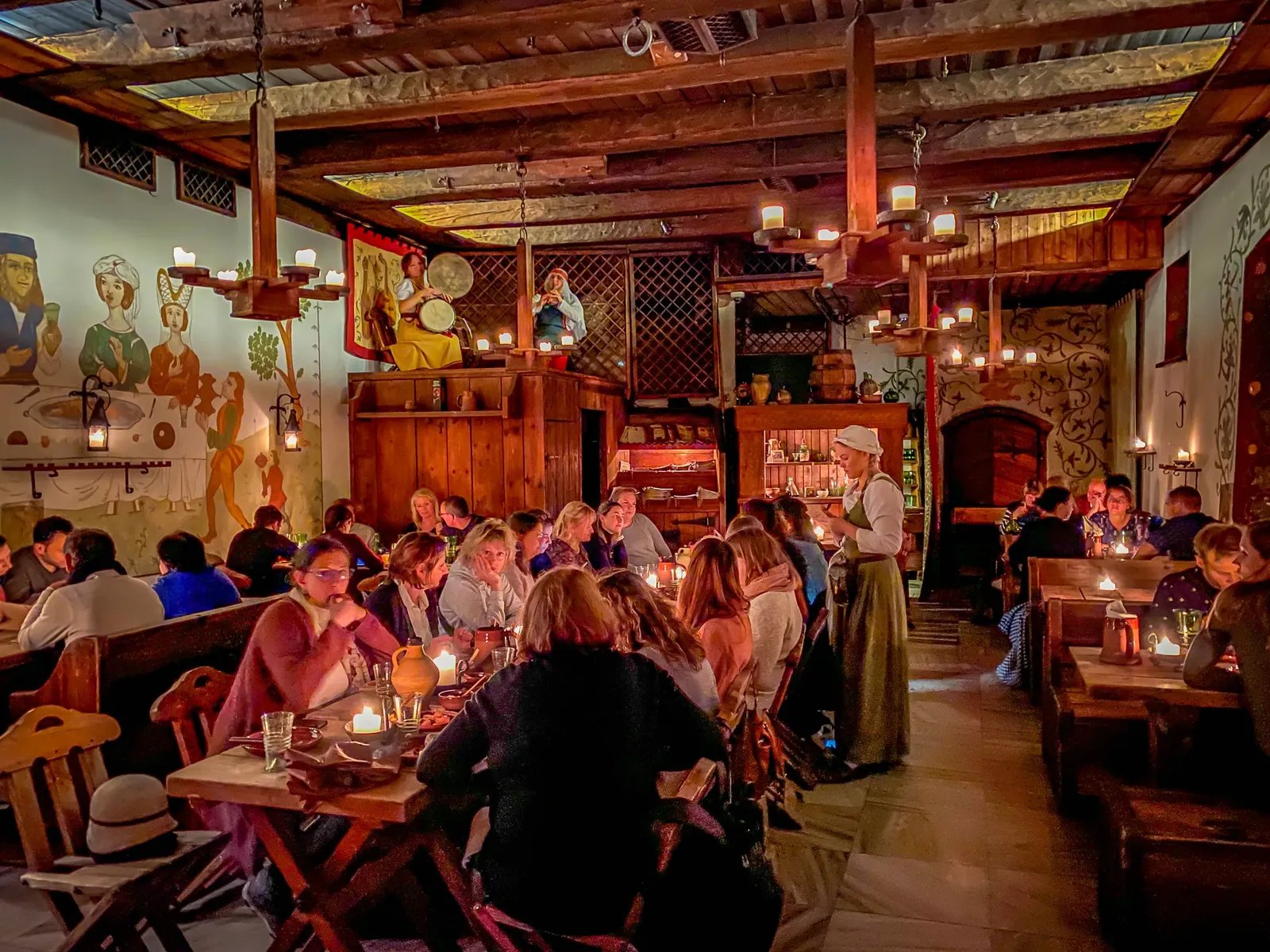
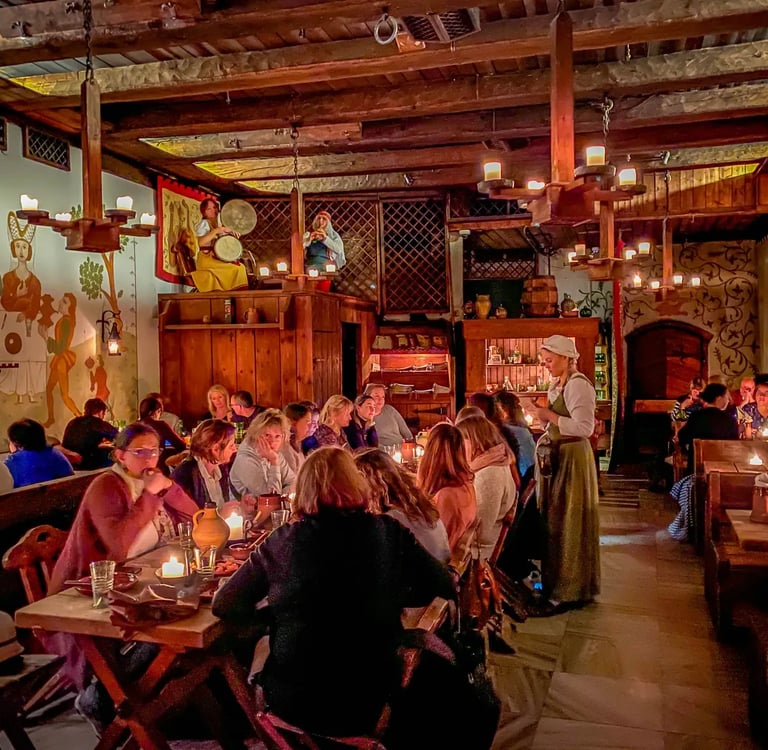
Image from Olde Hansa, a world-famous medieval restaurant located in the heart of Tallinn’s Old Town, Estonia.
Estonia’s hospitality sector (majutussektor) is experiencing increasing financial pressure as restaurants and hotels struggle with rising costs and uneven demand. Despite improvements in overnight stay rates (ööbimiste arv), particularly in the capital, businesses across the country report that profitability remains under significant strain.
Recent data indicates that the total number of overnight stays rose by nearly 4 percent year-on-year, suggesting some recovery in tourism demand (turisminõudlus). However, this growth has not translated into stability for restaurants, which are currently navigating the low season (madalhooaeg) alongside persistently rising prices. Over 20 establishments have already closed, highlighting the fragile state of the sector.
Hotel performance also reflects mixed results. One spa hotel reported a weaker start to 2026 compared to the previous year, partly due to temporary operational disruptions and shifts in target markets (sihtturud), particularly affecting medical tourism (meditsiiniline turism). These fluctuations demonstrate how sensitive the sector is to both internal developments and external demand patterns.
Industry representatives emphasize that occupancy rate (täitumusmäär) is a more accurate measure of performance than total overnight stays. Nationally, occupancy remains below 40 percent, indicating underutilized capacity. While Tallinn saw a modest increase after lowering average prices (keskmised hinnad), other regions such as Pärnu experienced declines, revealing ongoing regional disparities (piirkondlikud erinevused) in tourism activity.
"In some regions, both occupancy and revenue per available room have even been up to four percent lower than last year," Kraner said.
A central issue affecting restaurants is the increase in value-added tax (käibemaks) implemented in mid-2025. This policy change raised the tax burden on dining services, placing Estonia among the countries with the highest VAT rates for restaurants in the European Union. According to industry leaders, this has directly contributed to declining profitability (kasumlikkus) and growing financial instability.
"With the VAT increase in the summer, VAT for restaurants also rose. As a consequence, when leaving restaurants in Estonia, we pay the second-highest VAT rate in the European Union. This has certainly had an impact on our businesses. We are seeing a trend toward unprofitability in the catering sector. For many companies, especially during the low season, the question right now is simply whether they can stay afloat," Kraner said.
Restaurant operators face an additional challenge: the inability to pass rising costs fully onto customers. The sector is highly sensitive to price changes due to price elasticity (hinnanõtkus), meaning that significant price increases can quickly reduce demand. Meanwhile, suppliers continue to raise prices, increasing input costs (sisendkulud) across categories such as raw materials, energy, and labor.
"Restaurants cannot raise prices, even though their partners are increasing theirs by 10 to 20 percent. If we upped prices by 20 percent every time costs increased, it simply wouldn't be sustainable. Input costs are rising across the board, starting with raw materials and energy, along with all related expenses. If we increased restaurant prices at the same pace, we would soon be sitting in an empty restaurant," Lepik said.
Despite these pressures, tourism trends in Tallinn remain relatively strong. Data shows that millions of foreign visitors traveled to the city in 2025, increasing demand for accommodation capacity (majutusvõimekus). Projections indicate that by 2040, Tallinn will require between 1,400 and 2,200 additional hotel rooms to meet expected growth in visitor numbers.
At present, the city has fewer than 10,000 hotel rooms, suggesting potential for expansion. However, the broader sector continues to face structural challenges, including declining domestic tourism (siseturism) and rising operational expenses. These factors create an uneven landscape where growth in some areas does not offset losses in others.
Overall, the combination of tax increases, cost inflation, and demand fluctuations has pushed many businesses toward operating at a loss. The sector’s near-term outlook depends on whether companies can adapt to changing market conditions while maintaining financial sustainability.
Key Estonian Vocabulary
majutussektor hospitality sector
ööbimiste arv overnight stay rates
turisminõudlus tourism demand
madalhooaeg low season
sihtturud target markets
meditsiiniline turism medical tourism
täitumusmäär occupancy rate
keskmised hinnad average prices
piirkondlikud erinevused regional disparities
käibemaks value-added tax
kasumlikkus profitability
hinnanõtkus price elasticity
sisendkulud input costs
majutusvõimekus accommodation capacity
siseturism domestic tourism
For requests or suggestions: pr@estonianinstitute.com


Learn the official language of Estonia in 30 days thanks to the most complete Grammar, Vocabulary and Culture courses available. Start speaking Estonian today!
© Copyright 2026 Estonian Institute