
Estonia’s Public Sector Pay Rankings Led by President in 2025
New figures show wage growth and top earners across government roles
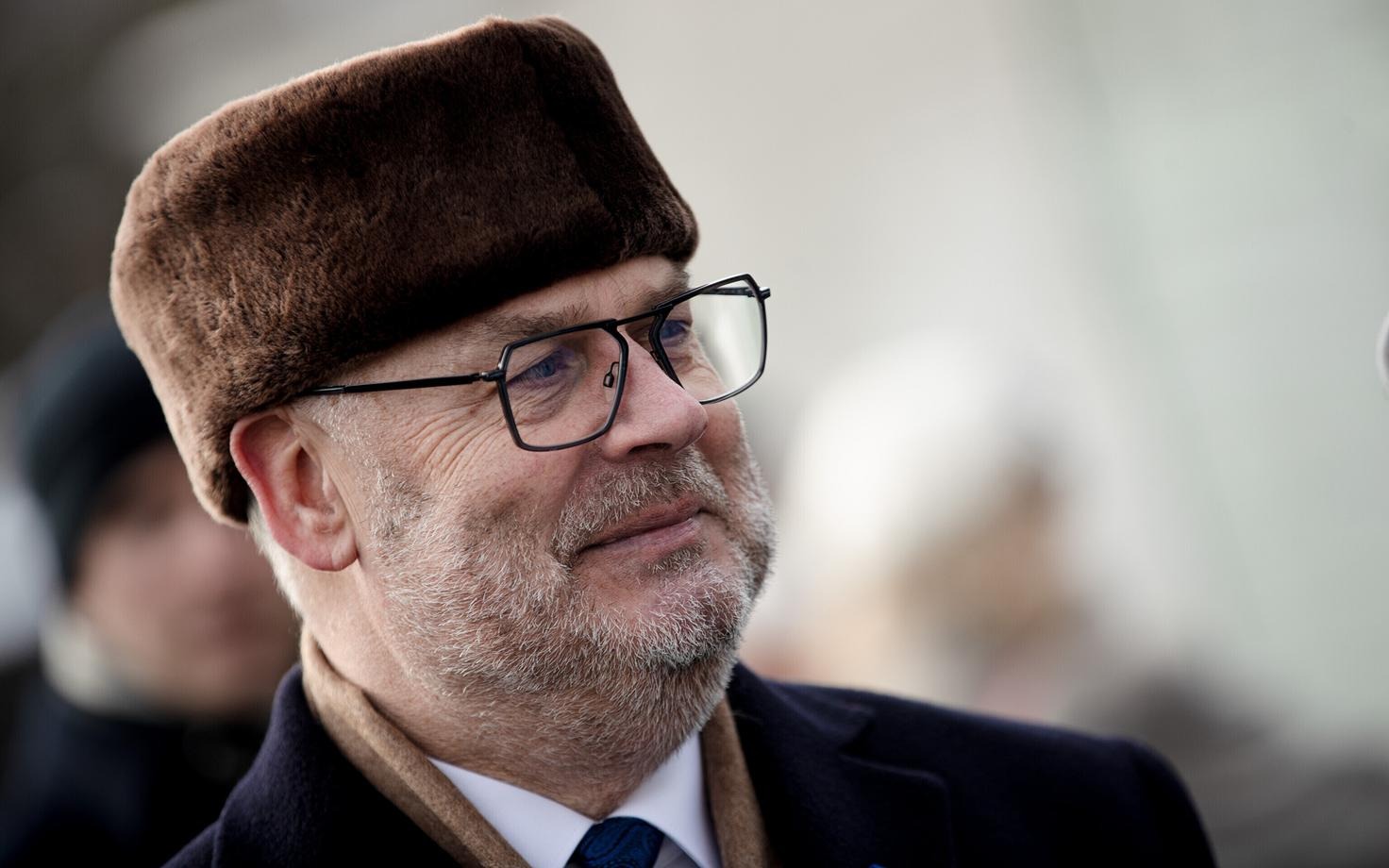

Estonian president's monthly salary tops €10,000 as indexed wages grow.
Public sector pay (avaliku sektori palk) figures for 2025 reveal that Estonia’s head of state was among the highest earners, with total gross income reaching €115,118. According to newly released data, salary rankings (palgajärjestus) show that top officials continue to receive compensation reflecting their senior responsibilities.
The data, published by the Ministry of Finance, outlines compensation levels for both state and local government officials. During 2025, wage growth (palga kasv) in the public sector reached 5.7 percent, indicating a moderate increase compared to previous years and reflecting broader economic trends.
At the top of the income distribution (sissetuleku jaotus), the president shared the highest earnings position with the Chief Justice, who received the same annual total. Close behind was the chairman of a major circuit court, highlighting the significant role of judicial leadership in overall government salaries (valitsuse palgad).
The next positions in the rankings were occupied by senior executive figures, including the prime minister, whose annual earnings exceeded €107,000. This level of compensation reflects the demands of leadership roles within the executive branch (täitevvõim).
High-ranking administrative officials also featured prominently. The head of the national tax authority earned over €105,000 including bonuses, demonstrating how performance incentives (tulemusboonused) contribute to total earnings in senior roles. Similarly, judicial figures and administrative leaders maintained strong positions in the ranking.
Among local government leaders, the mayor of the capital city was the highest earner, with an annual income exceeding €107,000. This reflects the importance of municipal leadership (kohaliku omavalitsuse juhtimine) in managing large urban centers and their complex responsibilities.
Deputy mayors and other senior city officials also appeared on the list, though with slightly lower earnings. These roles remain essential within local administration (kohalik haldus), ensuring the implementation of policies and daily governance.
Beyond the top earners, the published figures include a wide range of public officials. Positions such as the national auditor, justice chancellor, and foreign ministry secretary general all reported earnings close to or above €90,000, illustrating the breadth of institutional roles (institutsionaalsed rollid) within the public system.
Security and law enforcement leadership were also represented, with the head of the police and border authority earning over €92,000. These figures underline the significance of public safety roles (avaliku turvalisuse rollid) in the overall pay structure.
In total, preliminary data indicates that 138,568 people were employed in the public sector in 2025. This includes teachers, healthcare workers, rescue personnel, and other professionals. Of these, 28,314 worked directly in public service roles, representing a slight decline from the previous year and reflecting changes in employment structure (tööhõive struktuur).
When comparing sectors, private sector wage growth slightly exceeded that of the public sector, reaching 5.8 percent. This comparison highlights ongoing differences in salary trends (palga trendid) between public and private employment.
Overall, the data provides a detailed overview of Estonia’s compensation landscape, showing how salaries are distributed across leadership, administrative, and operational roles. The figures also emphasize the balance between public responsibility (avalik vastutus) and financial compensation in government positions.
Key Estonian Vocabulary
avaliku sektori palk public sector pay
palgajärjestus salary rankings
palga kasv wage growth
sissetuleku jaotus income distribution
valitsuse palgad government salaries
täitevvõim executive branch
tulemusboonused performance incentives
kohaliku omavalitsuse juhtimine municipal leadership
kohalik haldus local administration
institutsionaalsed rollid institutional roles
avaliku turvalisuse rollid public safety roles
tööhõive struktuur employment structure
palga trendid salary trends
avalik vastutus public responsibility
For requests or suggestions: pr@estonianinstitute.com


Learn the official language of Estonia in 30 days thanks to the most complete Grammar, Vocabulary and Culture courses available. Start speaking Estonian today!
© Copyright 2026 Estonian Institute