
Estonian President Criticises Lack of Strategic Foresight in Foreign Policy
Concerns over institutional capacity, political tensions, and long-term diplomacy emerge in public remarks
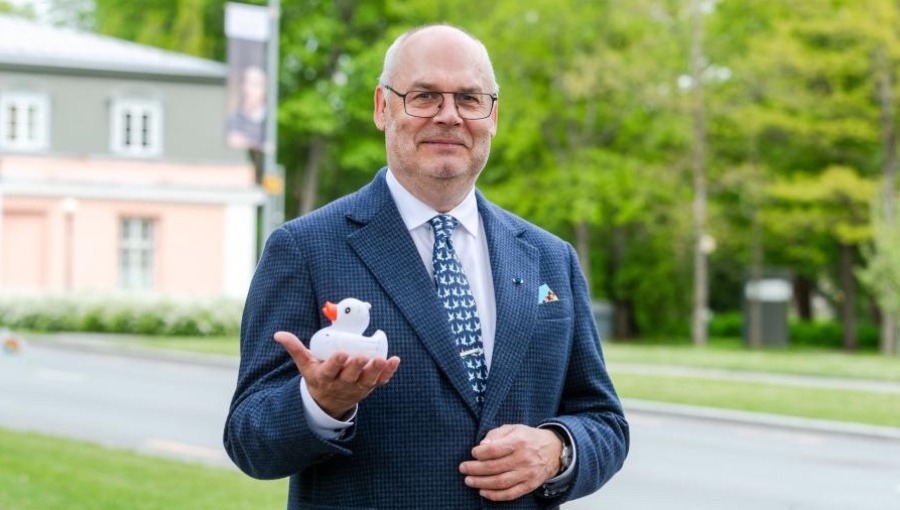
Politicians divided on President Alar Karis' foreign policy remarks.
Estonia’s head of state has raised concerns about the country’s ability to anticipate future geopolitical developments, stating that the Ministry of Foreign Affairs lacks sufficient strategic forecasting capacity (strateegilise prognoosimise võimekus). According to the president, current foreign policy efforts are heavily focused on immediate challenges rather than long-term planning, revealing gaps in institutional expertise (institutsionaalne pädevus) and forward-looking analysis. These remarks were made in an interview with a regional newspaper following a period of visible disagreement with the government.
The president clarified that decision-making authority in foreign policy primarily lies with the executive branch, particularly the prime minister and foreign minister, reflecting the structure of executive responsibility allocation (täidesaatva võimu vastutuse jaotus). He rejected claims that the presidency should serve as the central foreign policy authority, describing such expectations as misplaced. Instead, he framed his role as one oriented toward long-term perspective building (pikaajalise perspektiivi kujundamine), rather than direct policy implementation.
Addressing the broader strategic outlook, the president stated: "One day, the war will end, but then the question will be whether we still have friends here, there, or elsewhere." This comment highlights concerns about post-conflict diplomatic positioning (konfliktijärgne diplomaatiline positsioneerimine) and the need to maintain relationships beyond the current crisis. He added that Estonia has been concentrating on immediate responses, which are necessary, but insufficient without future-oriented policy planning (tulevikku suunatud poliitikakujundamine).
The president further emphasised limitations within the foreign ministry, stating that the required capabilities are not fully present: there is a shortage of qualified personnel resources (kvalifitseeritud personalivarud) as well as gaps in specialised knowledge frameworks (spetsialiseeritud teadmiste raamistikud). This assessment points to structural challenges within the institution responsible for managing Estonia’s external relations, particularly in a rapidly evolving security environment shaped by the war in Ukraine.
These statements follow a period of political tension between the presidency and the government that began in late 2025. Disagreements have centred on messaging related to Ukraine and Russia, reflecting differences in diplomatic communication strategy (diplomaatilise suhtlusstrateegia) and interpretation of Estonia’s official position. The president suggested that maintaining internal unity requires restraint, particularly in avoiding public disputes that could affect international credibility perception (rahvusvahelise usaldusväärsuse tajumine).
"Sometimes you just have to swallow things that you see which are unfair," he stated, referring to criticism directed at him. He added that public disagreement abroad would be particularly damaging, noting that engaging in disputes in external diplomatic environments (välisdiplomaatilised keskkonnad) could undermine national cohesion and weaken Estonia’s position in international negotiations.
The president also revealed that he had, on occasion, issued apologies to foreign leaders regarding Estonia’s policy decisions, though he declined to specify the circumstances. This reflects the sensitivity of bilateral diplomatic relations (kahepoolsed diplomaatilised suhted) and the potential consequences of internal disagreements becoming visible externally. Such actions indicate efforts to preserve stability in interstate communication channels (riikidevahelised suhtluskanalid).
One episode illustrating these tensions involved a state visit to Kazakhstan in late 2025. During the visit, Estonia’s ambassador reportedly advised caution in expressing support for Ukraine, highlighting concerns about regional diplomatic sensitivities (piirkondlikud diplomaatilised tundlikkused). Shortly afterward, the Ministry of Foreign Affairs announced the ambassador’s resignation, although formal recall procedures had not yet been completed at the time referenced.
The president later faced criticism from both the prime minister and the foreign minister over remarks made in early 2026. These included statements suggesting that an EU representative should participate in peace negotiations involving the United States, Ukraine, and Russia, as well as comments that Ukraine might ultimately decide on territorial concessions. These positions diverged from the government’s messaging and triggered debate over policy alignment consistency (poliitilise kooskõla järjepidevus).
Additional controversy arose from the president’s comments regarding Hungary’s intention to withdraw from an energy agreement with Russia. He suggested that Hungary should receive support, including assistance with penalties, reflecting a perspective on energy policy flexibility (energiamajanduse paindlikkus) that differed from prevailing government positions. This further contributed to tensions within Estonia’s political leadership.
Looking ahead, the president’s political future remains uncertain. The presidential election process is scheduled to begin later this year, requiring a two-thirds majority in parliament. While eligible for re-election, he has not confirmed his intentions, leaving open questions about leadership continuity scenarios (juhtimise järjepidevuse stsenaariumid) and their potential impact on Estonia’s foreign policy direction.
The situation highlights broader challenges facing small states operating in a complex geopolitical environment. Balancing immediate security concerns with long-term strategic planning requires not only political coordination but also sufficient institutional capacity. The president’s remarks underscore the importance of strengthening analytical capabilities and ensuring that foreign policy decisions are supported by comprehensive expertise and forward-looking assessment.
Key Estonian Vocabulary
strateegilise prognoosimise võimekus strategic forecasting capacity
institutsionaalne pädevus institutional expertise
täidesaatva võimu vastutuse jaotus executive responsibility allocation
pikaajalise perspektiivi kujundamine long-term perspective building
konfliktijärgne diplomaatiline positsioneerimine post-conflict diplomatic positioning
tulevikku suunatud poliitikakujundamine future-oriented policy planning
kvalifitseeritud personalivarud qualified personnel resources
spetsialiseeritud teadmiste raamistikud specialised knowledge frameworks
diplomaatilise suhtlusstrateegia diplomatic communication strategy
rahvusvahelise usaldusväärsuse tajumine international credibility perception
välisdiplomaatilised keskkonnad external diplomatic environments
kahepoolsed diplomaatilised suhted bilateral diplomatic relations
riikidevahelised suhtluskanalid interstate communication channels
piirkondlikud diplomaatilised tundlikkused regional diplomatic sensitivities
poliitilise kooskõla järjepidevus policy alignment consistency
energiamajanduse paindlikkus energy policy flexibility
juhtimise järjepidevuse stsenaariumid leadership continuity scenarios
For requests or suggestions: pr@estonianinstitute.com


Learn the official language of Estonia in 30 days thanks to the most complete Grammar, Vocabulary and Culture courses available. Start speaking Estonian today!
© Copyright 2026 Estonian Institute