
Estonian Orthodox Church’s Independence Deemed Symbolic as Moscow Retains Control
Security report highlights continued influence, clergy bans, and links to Russian state structures
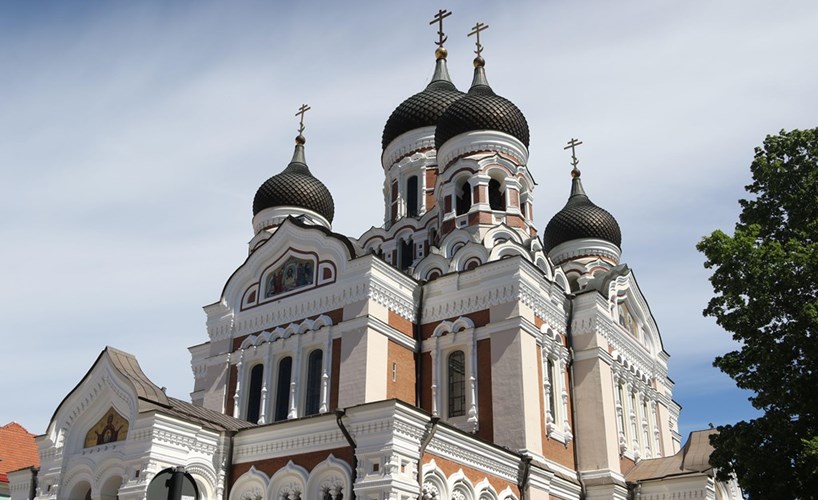
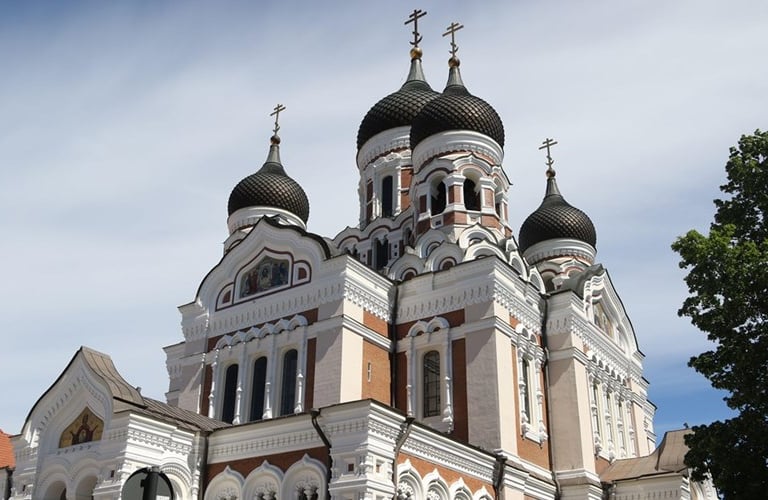
Alexander Nevsky Cathedral in Tallinn, Estonia.
Estonia’s Internal Security Service has concluded that the Estonian Christian Orthodox Church remains under Russian influence despite formally declaring independence in 2025. The institution adopted a new name and updated its statutes, presenting itself as self-governing, but according to authorities, these changes represent cosmetic reforms (kosmeetilised reformid) rather than substantive transformation. The findings were detailed in the agency’s 2026 annual report, which examined the church’s structure and external connections.
The report indicates that real coordination continues to originate from Moscow through two key bodies of the Russian Orthodox Church. These include the Department for External Church Relations and another administrative unit responsible for dioceses in neighboring countries. Their continued involvement reflects ongoing external governance influence (välise juhtimise mõju) over church operations, despite formal claims of autonomy.
The Estonian Christian Orthodox Church, previously known as the Estonian Orthodox Church of the Moscow Patriarchate, attempted to reposition itself by revising its legal framework. However, the security assessment found that the structural changes did not alter actual decision-making processes. Instead, the organization remains embedded within a broader system of institutional dependency (institutsionaalne sõltuvus) linked to Russian religious and political structures.
The Russian Orthodox Church itself has been described by Ukraine’s foreign intelligence as “99% controlled” by Russian intelligence agencies. It is characterized as functioning not only as a religious institution but also as a platform for political influence operations (poliitilised mõjutusoperatsioonid) and ideological dissemination. These activities include promoting the concept of the “Russian World,” a geopolitical narrative tied to cultural and political expansion.
Leadership dynamics within the Estonian church further illustrate this dependency. Metropolitan Yevgeny, its formal head, was required to leave Estonia in February 2024 after authorities declined to renew his residence permit due to security concerns. Despite his departure, he has not resigned and continues to lead the church remotely. This arrangement highlights the persistence of remote leadership control (kaugjuhtimise kontroll) in the institution’s governance.
Estonia’s parliament has taken a firm stance on the issue, designating the Moscow Patriarchate as a supporter of Russian aggression in May 2024. This political decision underscores concerns about the intersection of religion and state policy, particularly in the context of ongoing geopolitical tensions. It also reflects the perceived risks associated with religious-state alignment (religiooni ja riigi seotus) in sensitive security environments.
Authorities have also implemented restrictive measures targeting individuals linked to the church. Over a two-year period, seven clergy members associated with the institution were banned from entering Estonia. These decisions were based on findings that the individuals supported Russia’s war effort or posed a threat to national security. Such actions demonstrate the application of preventive security measures (ennetavad julgeolekumeetmed) to limit external influence.
The report further documents activities involving affiliated religious figures beyond Estonia. Two nuns connected to a convent near Moscow were found to have supported Russia’s military operations by collecting supplies, visiting wounded soldiers, and delivering aid to occupied territories. These activities illustrate the integration of religious networks into logistical support structures (logistilised tugistruktuurid) linked to conflict efforts.
Another case highlighted involves Dmitri Burov, also known as monk-priest Daniil, who left Estonia in February 2026. Before arriving in the country, he had worked within a department of the Russian Orthodox Church that maintained connections with military and law enforcement bodies. During his time in Estonia, he was involved in filming military facilities and later declined to respond to inquiries regarding intelligence-related activities (luuretegevusega seotud tegevused).
The report also references a statement issued by Russia’s Foreign Intelligence Service in January 2026, which claimed to defend Orthodoxy in the Baltic states. This declaration was cited alongside other findings as evidence of a close relationship between religious institutions and state authorities. According to the report, this reflects a broader pattern of state-religion integration (riigi ja religiooni lõimumine) within Russian strategic frameworks.
These developments point to a complex interaction between religious identity, political influence, and security considerations. The Estonian case demonstrates how formal organizational changes may not necessarily alter underlying power structures. Instead, influence can persist through informal channels and institutional linkages, reinforcing covert influence mechanisms (varjatud mõjutusmehhanismid).
The situation also highlights the challenges faced by states in addressing non-traditional security threats. Religious organizations, when linked to external actors, can become vectors for influence that are difficult to regulate without raising broader questions about freedom of religion and governance. This dynamic underscores the importance of hybrid threat awareness (hübriidohtude teadlikkus) in modern security policy.
Ultimately, the findings suggest that Estonia’s efforts to monitor and regulate external influence extend beyond conventional domains such as defense and intelligence. They also encompass cultural and religious institutions, reflecting a comprehensive approach to safeguarding national security in a complex geopolitical environment.
Key Estonian Vocabulary
kosmeetilised reformid cosmetic reforms
välise juhtimise mõju external governance influence
institutsionaalne sõltuvus institutional dependency
poliitilised mõjutusoperatsioonid political influence operations
kaugjuhtimise kontroll remote leadership control
religiooni ja riigi seotus religion-state alignment
ennetavad julgeolekumeetmed preventive security measures
logistilised tugistruktuurid logistical support structures
luuretegevusega seotud tegevused intelligence-related activities
riigi ja religiooni lõimumine state-religion integration
varjatud mõjutusmehhanismid covert influence mechanisms
hübriidohtude teadlikkus hybrid threat awareness
For requests or suggestions: pr@estonianinstitute.com
Learn the official language of Estonia in 30 days thanks to the most complete Grammar, Vocabulary and Culture courses available. Start speaking Estonian today!
© Copyright 2026 Estonian Institute