
Estonian Municipalities Increase Birth Grants to Compete for Families
Rising financial incentives reflect demographic pressure and local competition

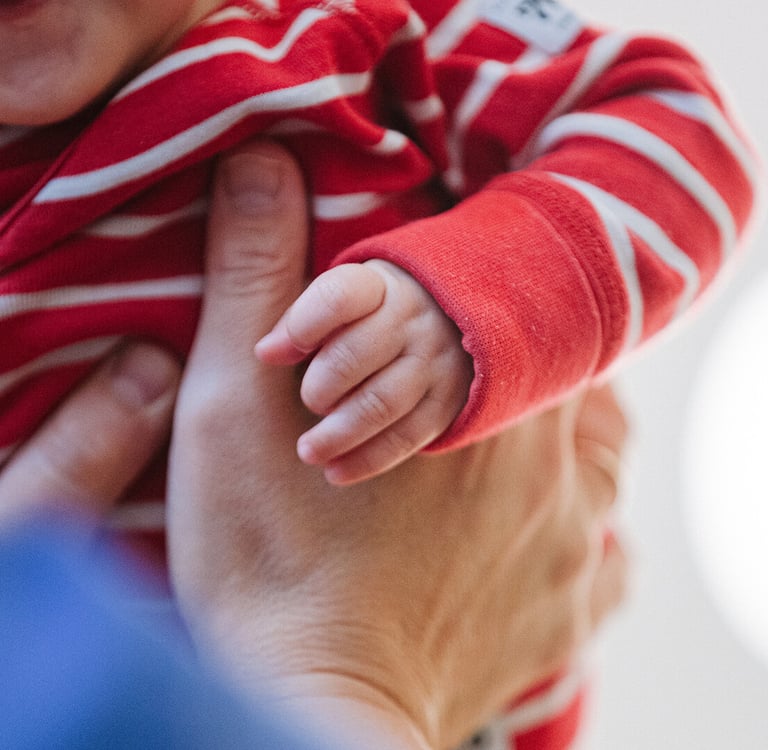
Estonia's local governments are increasing birth grants as the population declines.
Across Estonia, birth grants (sünnitoetused) are being increased by a growing number of municipalities as part of efforts to attract and retain families. Many local governments have raised payments to around €1,000 per child, reflecting intensifying municipal competition (omavalitsuste konkurents) for residents in a context of declining population growth.
In several areas, these increases are directly influenced by neighboring regions. For example, Võru Municipality decided to raise its childbirth grant from €400 to €1,000 starting May 1, largely in response to a similar move by the nearby city. This illustrates how regional policy alignment (piirkondlik poliitika ühtlustamine) plays a role in preventing population shifts between adjacent areas.
"We want to avoid our young families moving into the city," he explained.
Other municipalities have implemented comparable measures. Põlva Municipality increased its grant to €1,000 earlier in the year, matching the level already offered by neighboring Kanepi. These decisions highlight the importance of financial incentives (rahalised stiimulid) in influencing where families choose to live, particularly in rural or smaller communities.
Local leaders have acknowledged that families face growing economic pressures. Rising living costs, especially food prices, contribute to the need for additional support. "This is a small gesture to show we value being born here in Põlva Municipality," she said, emphasizing the symbolic role of family support measures (peretoetuse meetmed) alongside their financial impact.
The highest grant currently available is €1,500, offered by Tori Municipality in Pärnu County. This reflects broader concern about declining birth rates (langev sündimus), which are affecting communities across the country. Lower birth rates have long-term implications, particularly for maintaining local services and infrastructure.
"Birth rates are falling quickly, and that actually affects all local governments, including school systems in the long run," said Tori Municipal Mayor Lauri Luur.
Education systems are especially sensitive to demographic changes, as fewer children directly impact school enrollment. This creates challenges for rural sustainability (maaelu jätkusuutlikkus), where maintaining essential services depends on stable population levels.
To address concerns about individuals relocating solely to receive benefits, many municipalities distribute payments in stages. These installments are tied to continued residency, forming part of residency requirements (elukohanõuded) designed to ensure long-term commitment rather than short-term gain.
Local residents have generally responded positively to the increased support. Families with lower incomes, in particular, benefit from the additional financial assistance, which can help cover early childcare expenses. This reflects the practical importance of household support (leibkonna toetus) during the early stages of raising a child.
"This is a good thing the municipality did," said Võru Municipality resident Kristiina Kallas, who said she hopes to have another child at some point.
She also noted that some parents, especially mothers, may not participate in the workforce, making such support more significant. In this context, income supplementation (sissetuleku täiendamine) becomes an important factor in family planning decisions.
More broadly, these policies are part of a wider national conversation about reversing demographic decline. Estonia, like many European countries, faces challenges related to aging populations and low fertility rates. Governments at both local and national levels are exploring strategies to improve population growth (rahvastiku kasv) through financial, social, and policy-based interventions.
Research across Europe suggests that while direct payments can provide short-term support, long-term demographic trends are influenced by a combination of factors, including housing availability, childcare access, and job stability. These elements form part of a broader family policy framework (perepoliitika raamistik) aimed at encouraging higher birth rates.
Overall, the increase in childbirth grants reflects both immediate competition between municipalities and longer-term concerns about sustaining communities and public services in a changing demographic landscape.
Key Estonian Vocabulary
sünnitoetused birth grants
omavalitsuste konkurents municipal competition
piirkondlik poliitika ühtlustamine regional policy alignment
rahalised stiimulid financial incentives
peretoetuse meetmed family support measures
langev sündimus declining birth rates
maaelu jätkusuutlikkus rural sustainability
elukohanõuded residency requirements
leibkonna toetus household support
sissetuleku täiendamine income supplementation
rahvastiku kasv population growth
perepoliitika raamistik family policy framework
For requests or suggestions: pr@estonianinstitute.com


Learn the official language of Estonia in 30 days thanks to the most complete Grammar, Vocabulary and Culture courses available. Start speaking Estonian today!
© Copyright 2026 Estonian Institute