Estonian Exports to Poland Surpass €1 Billion as Businesses Target a Larger Market
Growing trade ties highlight opportunities and structural challenges in Poland’s expanding economy
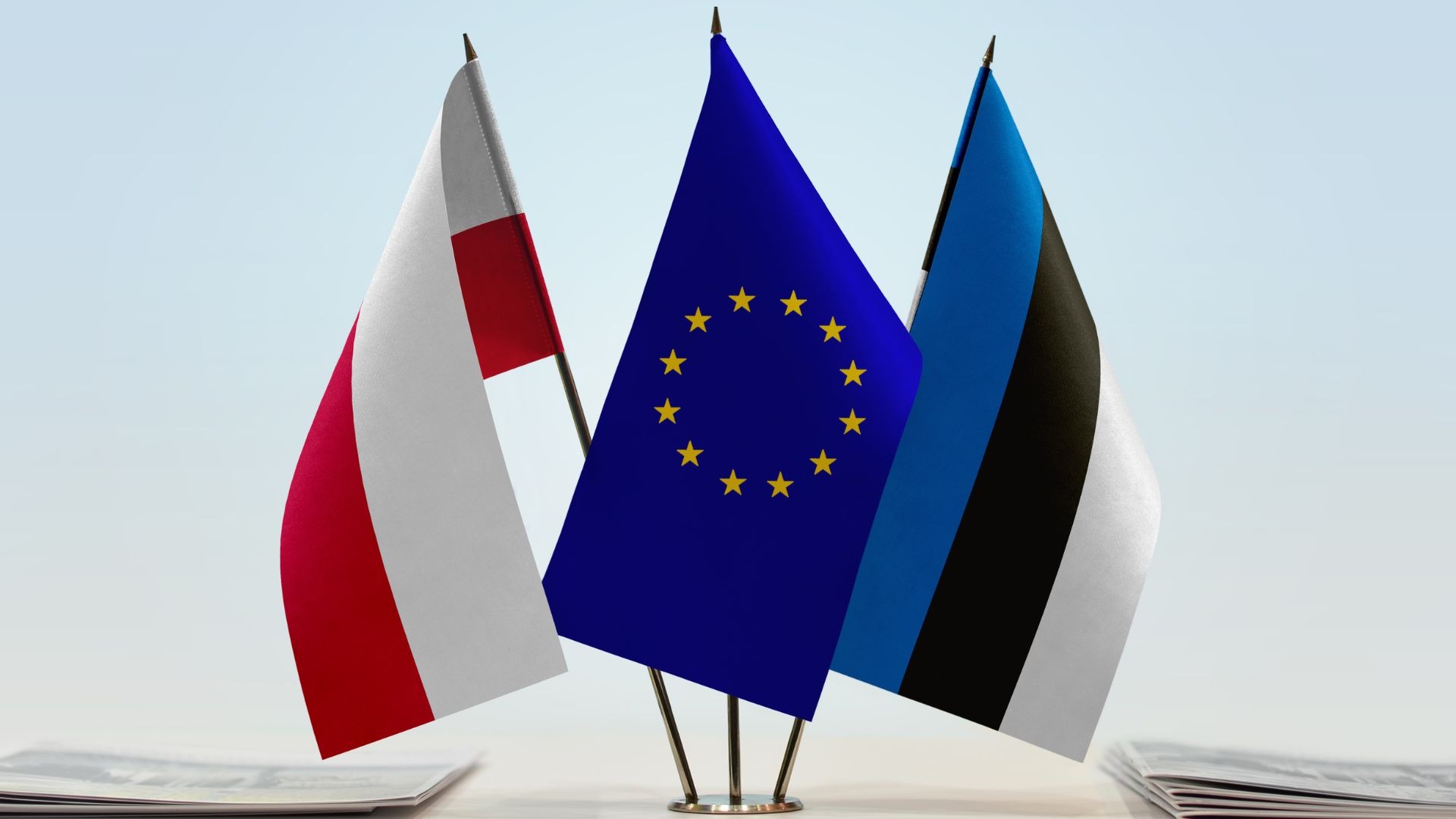
Estonian exports to Poland have exceeded €1 billion.
Estonian exports to Poland have exceeded €1 billion for the first time, marking a significant milestone in trade expansion (kaubanduse laienemine) and reflecting a broader strategic shift toward larger markets. For Estonian companies operating within a limited domestic economy, Poland is increasingly viewed as a destination offering scale, demand, and long-term growth potential. This development signals a transition from traditional regional cooperation toward a more ambitious market diversification (turu mitmekesistamine) strategy.
The milestone was highlighted during a business seminar held at Estonia’s foreign ministry on 9 April, where policymakers and industry representatives discussed the evolving relationship. According to officials, Poland has become Estonia’s sixth most important export destination, with growth driven primarily by goods and industrial output rather than services. This trend underscores the importance of industrial exports (tööstuslik eksport) in strengthening bilateral trade flows.
“Poland is the world’s 20th largest economy and an increasingly important market for Estonia,” Mariin Ratnik stated during the event. “Our exports to Poland have exceeded one billion euros for the first time, and Poland is now our sixth most important export market. Unlike many other countries, this growth has come specifically from goods and industry.” Her remarks emphasize the structural shift toward tangible production and manufacturing integration (tootmisintegratsioon) between the two economies.
Poland’s economic scale provides advantages that Estonia cannot replicate domestically. With a population of nearly 38 million and a position as the European Union’s sixth-largest economy, Poland offers depth in both consumption and production. Its role as a logistics and manufacturing hub strengthens its appeal as a regional trade hub (piirkondlik kaubanduskeskus) connected to major continental supply chains.
Economic indicators further reinforce Poland’s attractiveness. Forecasts suggest GDP growth of 3.7 percent in 2025 and 3.4 percent in 2026, exceeding the EU average. At the same time, real expenditure per capita increased by 28 percent between 2019 and 2023, demonstrating sustained consumer demand growth (tarbijanõudluse kasv). These figures indicate a resilient domestic market capable of supporting foreign exporters.
Beyond macroeconomic fundamentals, political alignment between Estonia and Poland plays a supportive role. Both countries share positions on European security and support for Ukraine, contributing to stable bilateral relations. This convergence facilitates not only diplomatic cooperation but also economic alignment (majanduslik kooskõla) that encourages cross-border investment and trade.
Defense cooperation has emerged as one of the most visible areas of collaboration. Joint procurement initiatives, such as acquiring short-range air defense systems, reflect increased regional spending driven by security concerns. However, participants at the seminar emphasized that opportunities extend well beyond defense, particularly in infrastructure, energy, and public-sector investment projects linked to government spending programs (riiklikud investeerimisprogrammid).
Poland’s public sector is expected to channel significant resources into transport networks, energy systems, and defense modernization. These investments create openings for Estonian firms specializing in digital solutions, clean technologies, and niche industrial services. Such sectors represent areas of competitive advantage (konkurentsieelis) where Estonian companies can differentiate themselves.
Despite these opportunities, entering the Polish market presents structural challenges. Experts stress that Poland should not be approached as a single unified market but rather as a collection of regions with distinct characteristics. Successful entry often requires focusing on a specific city or sector, reflecting the importance of regional targeting strategies (piirkondlikud sihtimisstrateegiad) in market expansion.
“Poland is a large and highly competitive market with a growing consumer base,” Martti Rell explained. “Our analysis shows that it is generally advisable to start with a specific region.” His assessment highlights the need for careful planning and localized execution rather than broad, undifferentiated expansion.
Sectoral analysis suggests that the strongest opportunities lie in ICT, timber, fintech, clean technology, and defense technology. These industries align with Estonia’s existing strengths and provide pathways for sector specialization (sektorispetsialiseerumine) in international markets. Additional opportunities exist in food production, education technology, maritime services, and health technology, although competition in these areas is more intense.
Companies already operating in Poland emphasize the importance of patience and relationship-building. Markus Törnberg noted that business interactions often require more time and a greater emphasis on personal engagement. “Preparing for a meeting means there must always be biscuits on the table, and you need to be more patient,” he said. His observation reflects cultural differences that influence business relationship management (ärisuhete juhtimine) in the Polish context.
Trust and physical presence are frequently cited as critical factors for success. Unlike Estonia’s digital-first business environment, Poland places greater value on in-person interaction and traditional communication channels. Establishing credibility often requires a visible local footprint, supported by market entry adaptation (turule sisenemise kohandamine) strategies that align with local expectations.
“If nothing about you or your company appears in Polish on Google, it does not build trust,” Tomaš Pozlevič explained, emphasizing the importance of localized communication. This requirement extends to marketing materials, which must be developed natively rather than translated, reinforcing the role of localized branding (kohandatud bränding) in building credibility.
Administrative complexity remains one of the most significant barriers. While digital systems have been introduced, bureaucratic processes still rely heavily on documentation. This creates inefficiencies associated with regulatory procedures (regulatiivsed protseduurid) that can slow business operations. Even routine submissions may involve multiple physical copies, illustrating the persistence of traditional administrative practices.
Public procurement represents a major opportunity but also a demanding process. With a value of approximately €61.6 billion in 2023, equivalent to around 8 percent of GDP, it offers substantial potential for foreign firms. However, participation requires navigating formal procedures, extensive documentation, and pricing pressures, highlighting the complexity of public sector contracts (avaliku sektori lepingud).
For Estonian businesses, success in Poland will depend on combining strategic ambition with operational resilience. Language barriers, legal frameworks, and administrative requirements necessitate preparation and adaptability. These factors underscore the importance of long-term market commitment (pikaajaline turukohustus) rather than short-term expansion efforts.
Overall, Poland is emerging as a logical next step for Estonian exporters seeking growth beyond small domestic markets. Its economic scale, political alignment, and investment outlook create favorable conditions, while its complexity demands a disciplined approach. The shift reflects a broader trend in which geography, economics, and security considerations increasingly intersect in shaping cross-border trade strategy (piiriülene kaubandusstrateegia).
Key Estonian Vocabulary
kaubanduse laienemine trade expansion
turu mitmekesistamine market diversification
tööstuslik eksport industrial exports
tootmisintegratsioon manufacturing integration
piirkondlik kaubanduskeskus regional trade hub
tarbijanõudluse kasv consumer demand growth
majanduslik kooskõla economic alignment
riiklikud investeerimisprogrammid government spending programs
konkurentsieelis competitive advantage
piirkondlikud sihtimisstrateegiad regional targeting strategies
sektorispetsialiseerumine sector specialization
ärisuhete juhtimine business relationship management
turule sisenemise kohandamine market entry adaptation
kohandatud bränding localized branding
regulatiivsed protseduurid regulatory procedures
avaliku sektori lepingud public sector contracts
pikaajaline turukohustus long-term market commitment
piiriülene kaubandusstrateegia cross-border trade strategy
For requests or suggestions: pr@estonianinstitute.com


Learn the official language of Estonia in 30 days thanks to the most complete Grammar, Vocabulary and Culture courses available. Start speaking Estonian today!
© Copyright 2026 Estonian Institute