
Estonian Economy Faces Mounting Pressure as Global Supply Shock Deepens
Employers warn of bankruptcies, stalled projects, and prolonged disruption linked to Middle East conflict
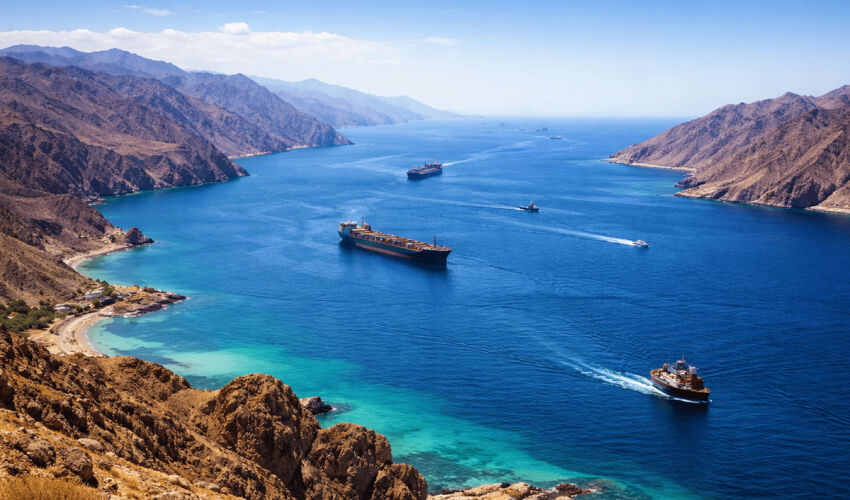
Disruptions in global energy routes and supply chains are driving cost increases and uncertainty across Estonia’s economy.
A sharp disruption in global supply flows linked to the conflict between the United States and Iran has significantly impacted Estonia’s economy, according to the Estonian Employers' Confederation. The closure of the Strait of Hormuz (Hormuzi väin) has reduced the availability of oil and petroleum products, while also constraining access to key industrial inputs such as fertilizers, helium used in semiconductors, and aluminum. This sudden contraction in supply has contributed to widespread input cost inflation (sisendkulude inflatsioon) across multiple sectors.
Feedback collected from companies indicates a rapid deterioration in business conditions. Employers report that material prices (materjalide hinnad) have surged between 25 and 100 percent, compounded by logistics disruptions (logistikahäired) and delays in deliveries. These increases are not isolated but affect entire supply chains, creating systemic pressure on production and operations.
Rising energy costs are intensifying the situation further. Sectors such as transportation, infrastructure construction, building materials production, waste management, and furniture manufacturing are experiencing substantial cost increases due to higher energy prices (energia hinnad). The plastics industry, heavily dependent on petroleum derivatives, is particularly exposed to raw material shortages (toorainepuudus), while the food sector is struggling with both packaging availability, including PET bottles, and escalating fertilizer costs.
Export activity has also been affected, especially toward Asian markets, where transport bottlenecks (transpordi kitsaskohad) have stalled shipments. At the same time, the information and communications technology sector is facing delays in hardware deliveries and rising procurement costs, further highlighting the widespread nature of the disruption.
"I just came from Haapsalu, from one of the major employers there, and the picture was even darker than what we've been hearing here. They listed all of the materials. Prices have risen by 25 to 100 percent across the board, plus additional logistics and supply disruptions," Sutter said.
According to employers, supply chains have effectively been exhausted in the short term, leaving a structural gap in availability. Even in the event of an immediate end to the conflict, supply chain recovery (tarneahela taastumine) is expected to take months, while rebuilding damaged infrastructure in the Persian Gulf could extend over several years. The duration and outcome of the crisis remain uncertain, increasing risks for businesses planning ahead.
"What is fairly certain is that a very difficult winter lies ahead," Sutter said.
Public procurement has emerged as one of the most critical pressure points. Many contracts signed earlier can no longer be executed under the agreed terms due to the scale of cost escalation (kulude kasv). Even where adjustment clauses exist, they are insufficient to reflect real increases in expenses. Employers warn that enforcing original contract conditions could result in widespread business failures.
Large infrastructure projects are particularly vulnerable. In the case of Rail Baltica, contractors and subcontractors face severe financial strain. The inability to adjust prices in line with rising input costs raises the likelihood of contract insolvency risk (lepingu maksejõuetuse risk) across multiple firms involved in the project.
"It is clear that under normal circumstances these risks were probably taken into account, but when some inputs have doubled in price and you still have to fulfill the contract, if the other side does not compromise and insists on its legal rights, then companies will simply be shut down," he added.
Employers are recommending immediate policy responses, including flexibility in procurement rules. Suggested measures include suspending penalties, allowing price revisions, or relaunching tenders under updated conditions. For future contracts, incorporating fuel price indexation (kütusehinna indekseerimine) is seen as essential to manage volatility and prevent inflated risk premiums in bids.
"In the specific case of Rail Baltica earthworks transport contracts, involving dozens of companies, sample calculations were shown to me indicating there was not even a theoretical chance that those companies could complete the work. There are two possibilities: either something changes or those companies go bankrupt," Sutter said.
Financial risk management is already shifting across the private sector. Suppliers have begun tightening payment terms, reducing standard payment deadlines (maksetähtajad) from 60 days to as little as 20 or 30 days, and in some cases requiring advance payments. This reflects growing concern over credit risk exposure (krediidirisk) among smaller or more vulnerable companies.
"For example, major suppliers to our manufacturers have begun shortening their payment deadlines," Sutter said. "They are managing their own risk. They assume that some of their clients, especially smaller ones in certain sectors, may not be able to cope with these changes. Previously, a 60-day payment term was offered; now it is being reduced to 30 or 20 days. In some cases, advance payment is even being required."
Beyond procurement, employers are urging broader government intervention. Proposed measures include easing or waiving interest on tax arrears and providing guarantees through the Estonian Business and Innovation Agency. These steps aim to mitigate liquidity pressures and stabilize companies facing acute financial stress.
Energy policy is also under scrutiny. If gas prices remain elevated into autumn, employers suggest preparing for increased reliance on oil shale energy (põlevkivienergia) to meet peak electricity demand. Estonia may also need contingency plans for district heating systems using shale oil, particularly during winter demand spikes.
"If we remember the winter of 2021-2022, peak electricity in the Baltics was actually produced from oil shale," Hando Sutter said, adding that Estonia should also be prepared, if necessary, to fuel district heating plants with shale oil.
Regional competitiveness is another concern. Differences in fuel excise policies between Estonia and neighboring countries could influence business behavior and consumer patterns. Employers warn that widening gaps could lead to cross-border fuel purchasing and weaken domestic industry competitiveness, especially if excise duty differences (aktsiisimaksude erinevused) increase significantly.
"If the Latvians and Lithuanians decide to lower excise duties to the European minimum and we say here that we will not do that, then it becomes very difficult. We are so closely connected to them and it is clear that half of Estonia would start filling up in Latvia and probably industry as well," Sutter said.
Key Estonian Vocabulary
Hormuzi väin Strait of Hormuz
sisendkulude inflatsioon input cost inflation
materjalide hinnad material prices
logistikahäired logistics disruptions
energia hinnad energy prices
toorainepuudus raw material shortages
transpordi kitsaskohad transport bottlenecks
tarneahela taastumine supply chain recovery
kulude kasv cost escalation
lepingu maksejõuetuse risk contract insolvency risk
kütusehinna indekseerimine fuel price indexation
maksetähtajad payment deadlines
krediidirisk credit risk exposure
põlevkivienergia oil shale energy
aktsiisimaksude erinevused excise duty differences
For requests or suggestions: pr@estonianinstitute.com


Learn the official language of Estonia in 30 days thanks to the most complete Grammar, Vocabulary and Culture courses available. Start speaking Estonian today!
© Copyright 2026 Estonian Institute