
Estonian Economist Warns of Persistent Price Increases Amid Energy Crisis
Rising oil and gas costs expected to drive long-term inflation across Europe and Estonia
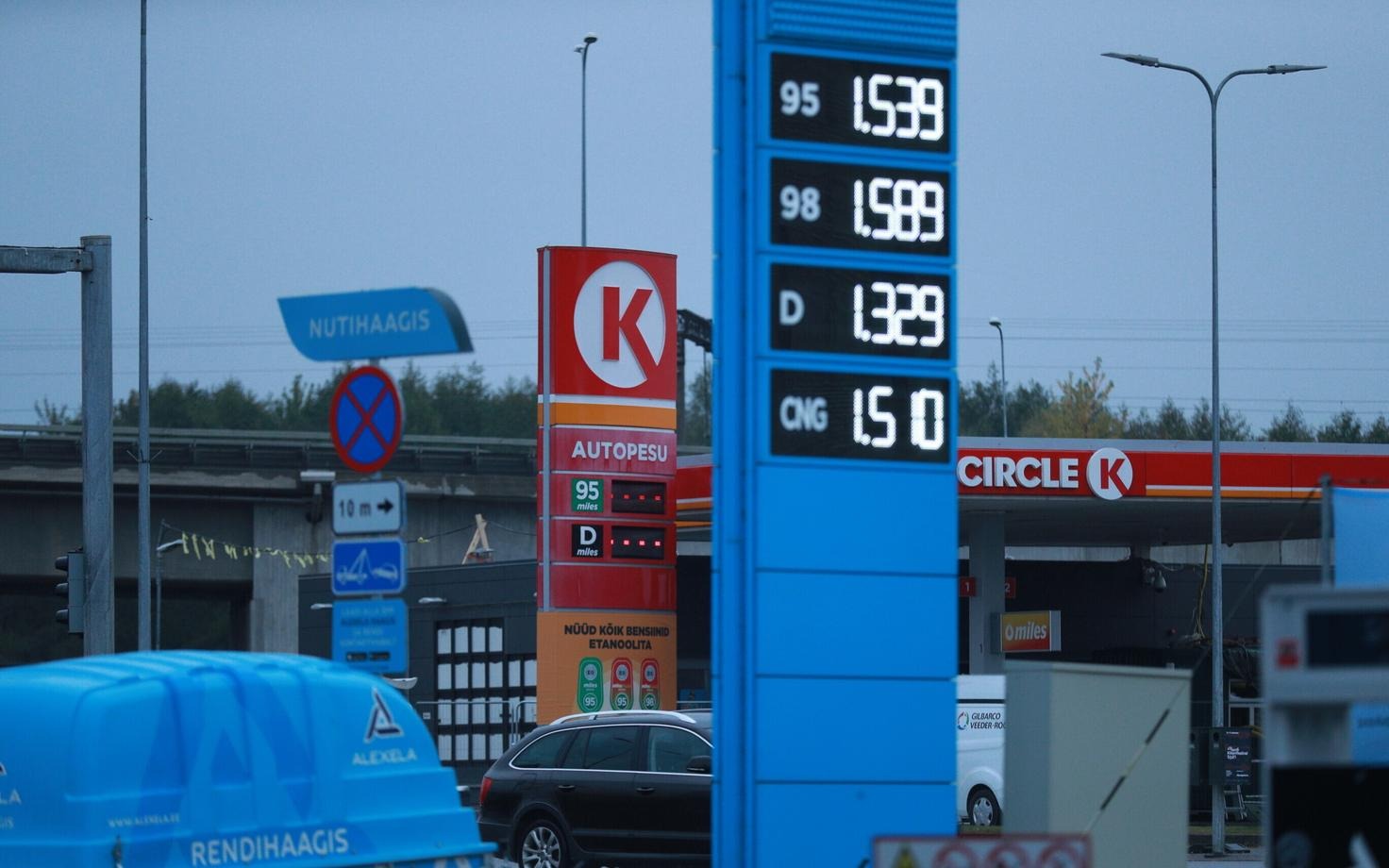
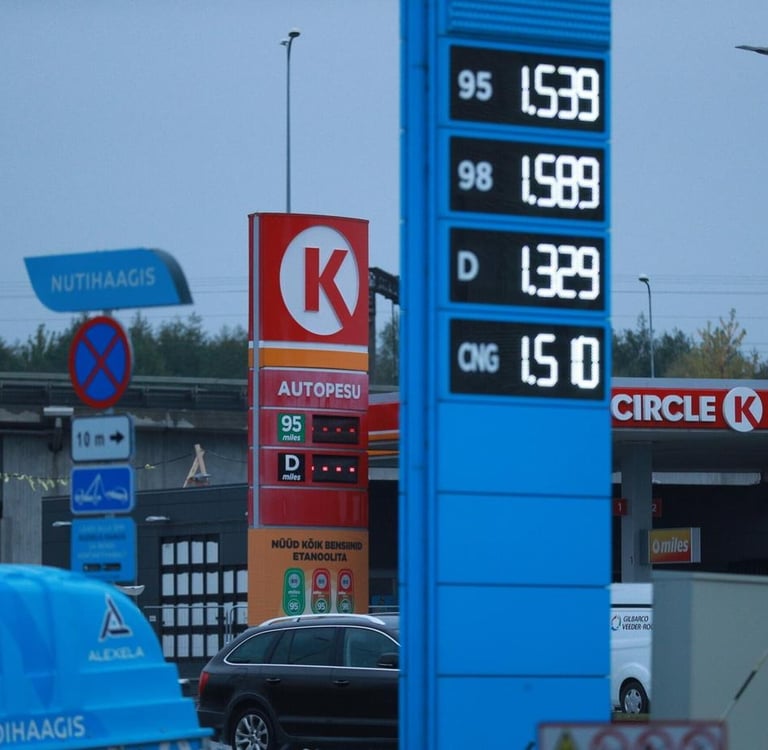
Fuel prices in Estonia have reached an all-time high.
The ongoing energy crisis linked to tensions in the Middle East is likely to have lasting economic consequences, with higher prices becoming a structural reality rather than a temporary spike. According to economist Raul Eamets, expectations that the situation will resolve quickly are unrealistic, as disruptions in supply chains and transport routes continue to affect global markets. The current situation reflects a sustained energy price shock (energiahindade šokk) that has not yet fully reached consumers.
Oil prices in physical transactions have already climbed to around $150 per barrel, though the full effect has not yet been reflected at fuel stations. A key factor behind this surge is the disruption in the Strait of Hormuz, one of the world’s most critical maritime chokepoints. The accumulation of tankers and delays in shipments highlight the fragility of global supply chains (globaalsed tarneahelad) and their direct influence on pricing dynamics.
Historical comparisons provide some perspective. During the oil crisis of 1973, inflation in Europe tripled, and a similar trend today could push inflation levels to approximately six percent. While Eamets notes that history may not repeat itself exactly, he argues that the European Central Bank’s target of two percent inflation is unlikely to be achieved under current conditions. This underscores the pressure on price stability targets (hinnastabiilsuse eesmärgid) across the eurozone.
Europe’s structural position as a net importer of energy compounds the problem. Unlike the United States, which produces significant amounts of oil and gas, European economies must accept global prices without the ability to influence them. This makes the region a price taker (hinnavõtja) in international markets, increasing vulnerability to external shocks.
The first visible effects are already evident in rising fuel costs, which quickly spread through the economy. Transport expenses increase, and these higher costs are incorporated into the prices of goods and services. Ultimately, consumers bear the burden at the point of purchase, illustrating the mechanism of cost pass-through (kulude ülekandumine) in inflation dynamics.
Supply constraints are also contributing to the situation. Artificial shortages have emerged, leading not only to higher prices but also to reduced availability of fuel. Airlines have already begun cutting flights due to limited supply, demonstrating the broader impact on transport capacity (transpordivõimekus). Such shortages create additional upward pressure on prices, reinforcing the inflationary cycle.
Natural gas markets are similarly affected. Europe relies on gas for approximately 20 percent of its electricity generation, making it highly sensitive to disruptions. Missile strikes on Qatar’s gas infrastructure have reduced production, while significant volumes of liquefied natural gas remain stuck in transit. The resulting supply reduction—estimated at around 16 million tons—represents a substantial share of European consumption and contributes to energy supply disruption (energiavarustuse häire).
The impact extends beyond energy markets. Rising costs of natural gas directly affect fertilizer production, which in turn increases agricultural expenses. This leads to higher food prices, particularly in countries that rely heavily on imports. The situation illustrates how input cost inflation (sisendkulude inflatsioon) spreads across sectors, amplifying the overall economic effect.
In addition to these direct impacts, psychological and behavioral factors play a significant role. Media coverage of the crisis shapes expectations, leading consumers and businesses to anticipate further price increases. This results in inflation expectations (inflatsiooniootused) becoming embedded in economic behavior, making it easier for companies to justify price increases even before cost pressures fully materialize.
Labor markets are also affected. As prices rise, workers demand higher wages to maintain purchasing power. This can lead to a wage-price spiral (palga-hinna spiraal), where rising wages and prices reinforce each other. In Estonia, public sector wage growth is already exceeding nine percent, setting a benchmark that the private sector is likely to follow.
Monetary policy responses are expected to follow. The European Central Bank has already revised its inflation forecast upward to 2.8 percent, and further increases are likely. If inflation continues to exceed targets, interest rates will rise. This will affect borrowing costs, slow investment, and reduce consumption, contributing to a broader economic slowdown (majanduslangus).
Higher interest rates will have tangible effects on sectors such as construction and real estate. Loan repayments will increase, reducing disposable income and dampening demand. These developments highlight the interconnected nature of financial conditions (finantstingimused) and economic activity.
Government policy remains a point of debate. While national authorities cannot directly influence interest rates, they can implement measures to mitigate the impact of rising prices. Eamets criticizes current policies, arguing that tax changes have disproportionately benefited higher-income groups rather than those most affected by inflation. Lower-income households, which spend a larger share of their income on food, are more exposed to price increases.
Other countries have responded by reducing value-added tax on essential goods or lowering fuel excise duties, aiming to ease the burden on consumers. Estonia, however, has largely maintained its commitment to market-based principles, raising questions about policy intervention strategies (poliitilised sekkumisstrateegiad) in times of crisis.
Eamets also suggests that governments may have limited incentives to reduce inflation quickly, as higher prices can increase tax revenues and reduce budget deficits. This creates a complex relationship between fiscal policy and inflation dynamics, where short-term gains may conflict with long-term economic stability.
Looking ahead, the duration of the crisis remains uncertain. Even if supply bottlenecks ease, there is no guarantee that producers will rapidly lower prices. High prices generate significant revenue for exporting countries, reducing the incentive to restore previous price levels. This reflects the influence of market power dynamics (turujõu dünaamika) in global energy markets.
In conclusion, the current situation suggests that higher prices are likely to persist across multiple sectors. From fuel and energy to food and services, the effects of the crisis are broad and interconnected. As Eamets argues, consumers and policymakers alike must adjust to a new economic environment characterized by sustained inflation rather than temporary fluctuations.
Key Estonian Vocabulary
energiahindade šokk energy price shock
globaalsed tarneahelad global supply chains
hinnastabiilsuse eesmärgid price stability targets
hinnavõtja price taker
kulude ülekandumine cost pass-through
transpordivõimekus transport capacity
energiavarustuse häire energy supply disruption
sisendkulude inflatsioon input cost inflation
inflatsiooniootused inflation expectations
palga-hinna spiraal wage-price spiral
majanduslangus economic slowdown
finantstingimused financial conditions
poliitilised sekkumisstrateegiad policy intervention strategies
turujõu dünaamika market power dynamics
Send us your suggestions to: pr@estonianinstitute.com


Learn the official language of Estonia in 30 days thanks to the most complete Grammar, Vocabulary and Culture courses available. Start speaking Estonian today!
© Copyright 2026 Estonian Institute