
Estonia Rejects Investment in airBaltic Amid Financial Concerns
Political consensus highlights risk perception, airline instability, and regional financing tensions
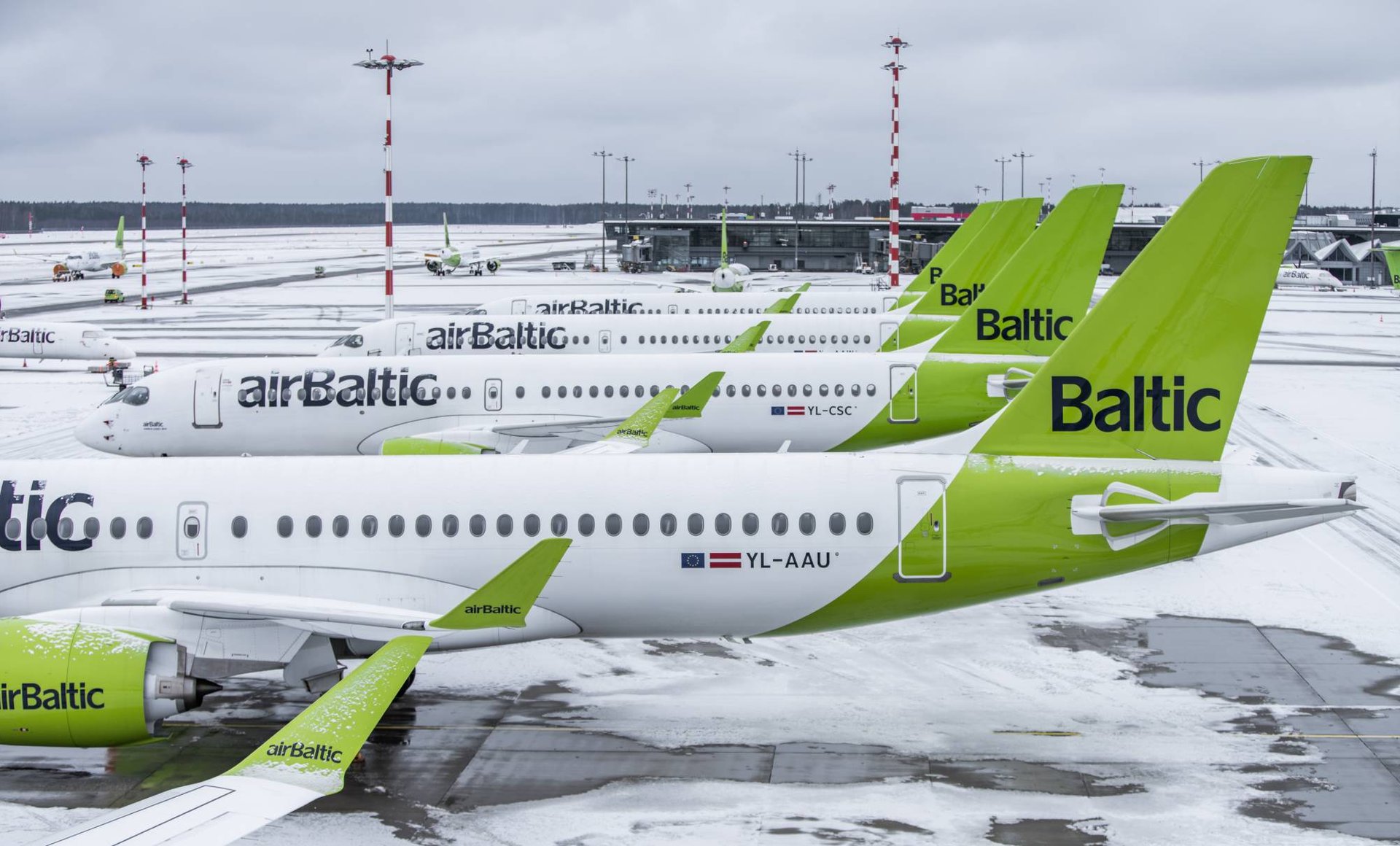
Air Baltic receives more A220s as it seeks to shore up funding.
Estonian political leaders from both government and opposition parties have dismissed the possibility of investing in Latvia’s national airline, airBaltic, citing concerns about its financial viability and long-term sustainability. The rejection reflects a shared assessment of investment risk exposure (investeerimisriski kokkupuude) and skepticism toward committing public funds to an external carrier facing ongoing challenges. The issue resurfaced after Latvia renewed efforts to secure regional support for airline recapitalisation plans (lennufirma rekapitaliseerimise plaanid).
Members of the governing coalition emphasised that Estonia has previously declined similar proposals. Aivar Sõerd of the Reform Party pointed out that earlier discussions had already resulted in refusal and noted that the airline’s financial condition trajectory (finantsseisundi arengusuund) has deteriorated since then. This perspective suggests that the current proposal is viewed as carrying even greater uncertainty than before, reinforcing concerns about capital allocation efficiency (kapitali jaotamise efektiivsus).
Opposition representatives expressed even stronger criticism. Reili Rand from the Social Democratic Party described the airline as “a bottomless financial hole,” highlighting fears of ongoing losses and insufficient returns. This characterisation reflects concerns about structural profitability issues (struktuursed kasumlikkuse probleemid) and the potential for continuous financial support without clear recovery prospects. Such assessments indicate a broad political reluctance to engage in cross-border financial commitments (piiriülesed finantskohustused).
The renewed Latvian initiative to seek investment from neighbouring countries is part of a broader effort to stabilise the airline’s financial position. airBaltic has been exploring various funding options, including attracting external investors and securing government-backed support. These efforts point to challenges in maintaining liquidity stability (likviidsuse stabiilsus) and ensuring sufficient capital to sustain operations in a competitive aviation market.
The airline operates as a regional carrier with a fleet of 55 aircraft, serving approximately 90 destinations and managing around 150 daily flights. Despite this operational scale, the need for additional funding underscores difficulties in achieving sustainable operating margins (jätkusuutlikud tegevusmarginaalid) within the current economic environment. Rising costs, fluctuating demand, and competitive pressures across European aviation markets contribute to these constraints.
Estonia’s refusal to participate in the investment also reflects broader considerations about national economic priorities. Allocating resources to a foreign airline raises questions about public investment justification (avaliku investeeringu põhjendatus) and the opportunity cost of diverting funds from domestic sectors. Policymakers appear to prioritise maintaining fiscal discipline over engaging in regional financial support mechanisms (piirkondlikud finantstoetusmehhanismid) that carry uncertain outcomes.
The situation also highlights differing strategic approaches within the Baltic region regarding aviation policy. While Latvia is actively seeking to secure the future of its national carrier through external funding, Estonia’s position suggests a preference for market-based solutions and caution toward state-backed interventions. This divergence reflects contrasting views on state involvement in aviation markets (riigi sekkumine lennundusturul) and the role of public funding in sustaining airlines.
At the regional level, the debate underscores the challenges of maintaining airline competitiveness in a fragmented European market. Carriers must navigate fluctuating passenger demand, operational costs, and regulatory requirements, all of which influence financial sustainability metrics (finantsilise jätkusuutlikkuse näitajad). For smaller national airlines, these pressures are particularly pronounced, often necessitating external support to remain viable.
Latvia’s ongoing search for investors indicates that airBaltic’s financial restructuring remains unresolved. While the airline continues to operate across multiple routes and destinations, its dependence on additional funding raises questions about its long-term stability and capacity for independent growth. Estonia’s consistent refusal to invest suggests that political consensus is unlikely to shift without significant changes in the airline’s financial performance outlook (finantstulemuste väljavaade).
Key Estonian Vocabulary
investeerimisriski kokkupuude investment risk exposure
lennufirma rekapitaliseerimise plaanid airline recapitalisation plans
finantsseisundi arengusuund financial condition trajectory
kapitali jaotamise efektiivsus capital allocation efficiency
struktuursed kasumlikkuse probleemid structural profitability issues
piiriülesed finantskohustused cross-border financial commitments
likviidsuse stabiilsus liquidity stability
jätkusuutlikud tegevusmarginaalid sustainable operating margins
avaliku investeeringu põhjendatus public investment justification
piirkondlikud finantstoetusmehhanismid regional financial support mechanisms
riigi sekkumine lennundusturul state involvement in aviation markets
finantsilise jätkusuutlikkuse näitajad financial sustainability metrics
finantstulemuste väljavaade financial performance outlook
For requests or suggestions: pr@estonianinstitute.com


Learn the official language of Estonia in 30 days thanks to the most complete Grammar, Vocabulary and Culture courses available. Start speaking Estonian today!
© Copyright 2026 Estonian Institute