
Estonia Redirects €500 Million to Modern Warfare Capabilities After Studying Ukraine
Baltic defense strategy shifts toward drones, air defense, and long-range strike systems
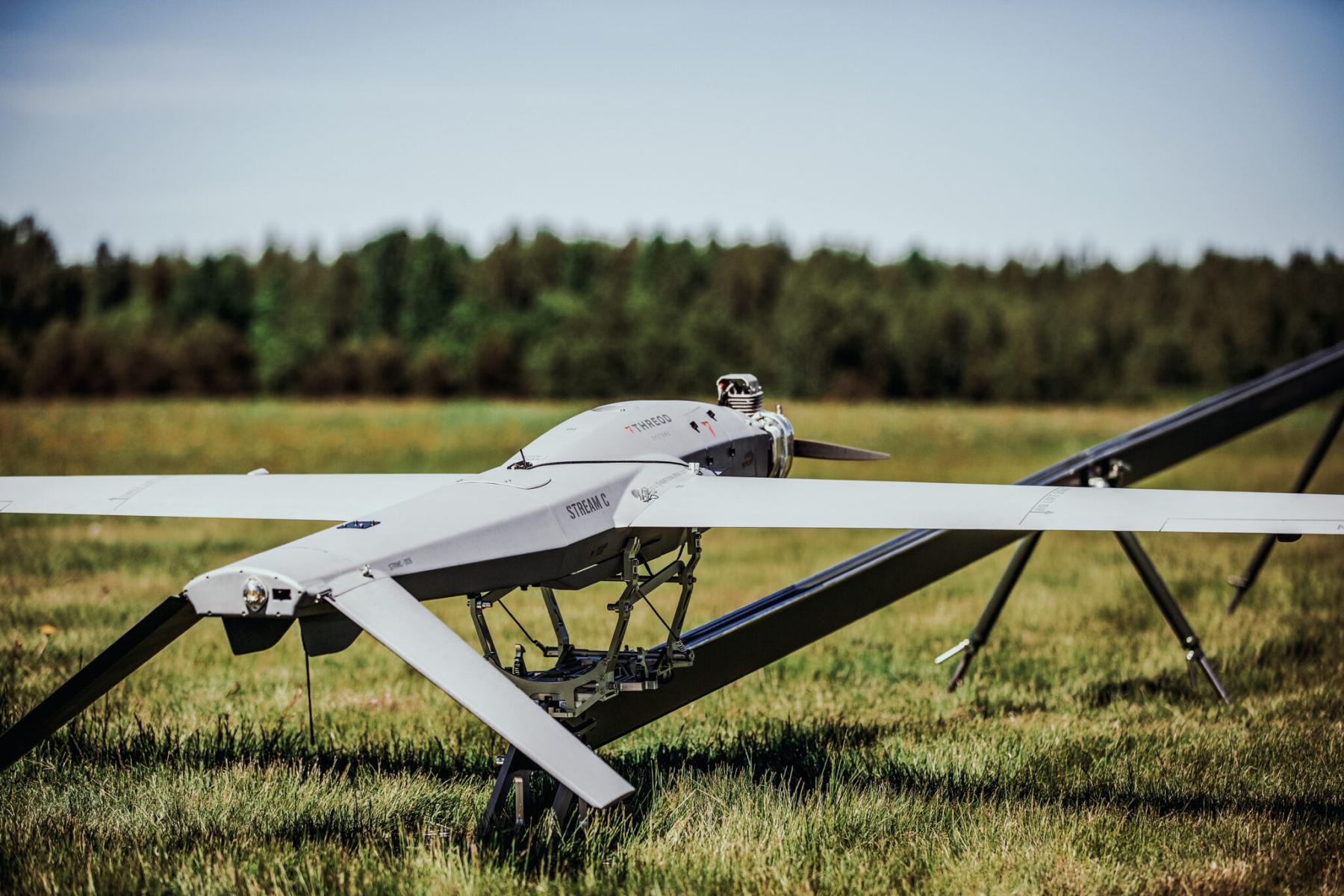
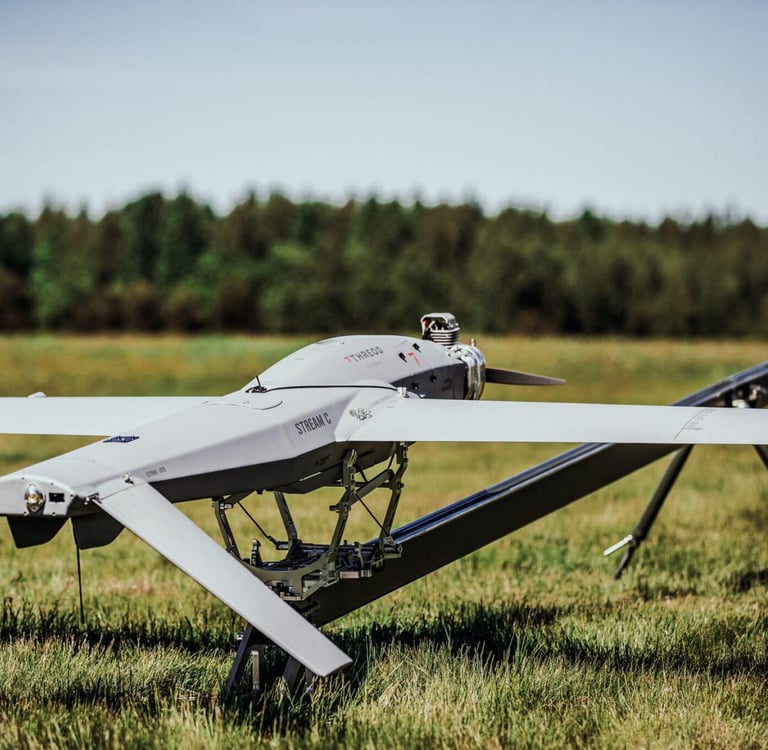
Estonia has redirected part of its military budget to drones based on the current war in Ukraine.
Estonia has initiated a major transformation of its military posture, reallocating €500 million from its defense budget to prioritize air defense systems (õhutõrjesüsteemid) and unmanned technologies (mehitamata tehnoloogiad). The move reflects a strategic reassessment based on observations of the war in Ukraine over the past four years. Instead of continuing with certain traditional procurement programs, the government is shifting resources toward capabilities designed to counter modern threats, particularly large-scale drone attacks and missile strikes.
This policy adjustment, confirmed in early April 2026, coincides with rising concerns about regional security, including narratives surrounding a potential separatist scenario in northeastern Estonia. Reports of online campaigns promoting a “Narva People’s Republic” have added urgency to defense planning, highlighting vulnerabilities linked to information operations (infomõjutusoperatsioonid) and hybrid threats (hübriidohud). The Baltic states, including Estonia, are increasingly aligning their defense strategies with the realities demonstrated by full-scale warfare in Ukraine.
A central element of the shift involves suspending the acquisition of new infantry fighting vehicles. Estonia’s Minister of Defense, Hanno Pevkur, confirmed that resources would instead be redirected toward layered defensive capabilities. The emphasis is on multi-layered defense architecture (mitmekihiline kaitsearhitektuur) capable of intercepting aerial threats at different altitudes and ranges. This approach reflects lessons learned from Ukraine, where traditional armored platforms have proven vulnerable to precision strikes and drone swarms.
At the same time, Estonia is expanding its long-range strike capability (kaugmaaraketivõimekus) as a deterrence measure. The country has already acquired M142 HIMARS systems, which can launch guided rockets with ranges of approximately 70–80 kilometers. In addition, Estonia possesses MGM-140 ATACMS missiles, capable of reaching targets up to 300 kilometers away. These systems enable precision targeting of strategic assets and are intended to increase the cost of potential aggression.
Further strengthening this capability, Estonia is procuring K239 Chunmoo systems. These platforms are equipped with digital fire control (digitaalne tulejuhtimine) and modular launch configurations, allowing rapid adaptation to changing battlefield conditions. Such systems enhance responsiveness and flexibility, key requirements in contemporary high-intensity conflict scenarios where speed and accuracy are critical.
Estonia’s defense reforms also include investment in domestic infrastructure. Approximately $11 million is being allocated to develop maintenance autonomy (hooldusautonoomia), reducing dependence on external supply chains for repairs and logistics. This initiative is designed to ensure operational continuity during crises, when access to international support may be delayed or disrupted.
In parallel, the country is expanding its surveillance and detection capabilities. Enhanced sensor networks and integrated monitoring systems form part of a broader effort to build situational awareness systems (olukorrateadlikkuse süsteemid) that can detect and track threats in real time. These systems are essential for coordinating responses across air, land, and cyber domains, forming the backbone of a modern defense infrastructure.
The timeline for these reforms is notably accelerated. Estonia aims to complete major procurements and deployments by 2027, signaling a shift toward rapid military adaptation (kiire sõjaline kohanemine). This compressed schedule reflects the urgency created by the evolving security environment in Eastern Europe and the proximity of ongoing conflict.
The transformation also underscores a broader strategic principle: defense autonomy as a survival mechanism. By strengthening its independent capabilities, Estonia seeks to reduce vulnerabilities associated with external dependencies. This approach aligns with wider NATO priorities, which emphasize resilience and readiness in frontline states exposed to potential escalation.
Recent developments in Ukraine have reinforced the importance of such measures. The widespread use of drones, precision-guided munitions, and electronic warfare has reshaped the battlefield, making traditional force structures less effective. Estonia’s shift toward modern warfare capabilities (kaasaegse sõjapidamise võimekused) reflects a data-driven response to these changes rather than a theoretical adjustment.
At the same time, regional tensions remain high. Military analysts have warned that speed and surprise could play a decisive role in any potential conflict in the Baltic region. Estonia’s investments in rapid-response systems and long-range strike assets are intended to counter these risks by improving both deterrence and defensive depth.
The decision to reallocate funding also highlights the trade-offs inherent in defense planning. By scaling back conventional procurement programs, Estonia is prioritizing flexibility and technological superiority over traditional mass-based force structures. This shift is consistent with broader trends observed across NATO, where smaller states increasingly rely on precision strike systems (täppislöögisüsteemid) and networked defense solutions.
Ultimately, Estonia’s strategy reflects a clear conclusion drawn from Ukraine’s experience: future conflicts will be defined by speed, technology, and integration across multiple domains. The country’s €500 million investment is not only a response to immediate threats but also a long-term adjustment to the evolving nature of warfare in Europe.
Key Estonian Vocabulary
õhutõrjesüsteemid air defense systems
mehitamata tehnoloogiad unmanned technologies
infomõjutusoperatsioonid information operations
hübriidohud hybrid threats
mitmekihiline kaitsearhitektuur multi-layered defense architecture
kaugmaaraketivõimekus long-range strike capability
digitaalne tulejuhtimine digital fire control
hooldusautonoomia maintenance autonomy
olukorrateadlikkuse süsteemid situational awareness systems
kiire sõjaline kohanemine rapid military adaptation
kaasaegse sõjapidamise võimekused modern warfare capabilities
täppislöögisüsteemid precision strike systems
For requests or suggestions: pr@estonianinstitute.com


Learn the official language of Estonia in 30 days thanks to the most complete Grammar, Vocabulary and Culture courses available. Start speaking Estonian today!
© Copyright 2026 Estonian Institute