
Estonia Records Its Third-Warmest Year as Climate Trends Intensify
Rising temperatures, heavier rainfall, and frequent heatwaves highlight accelerating environmental changes
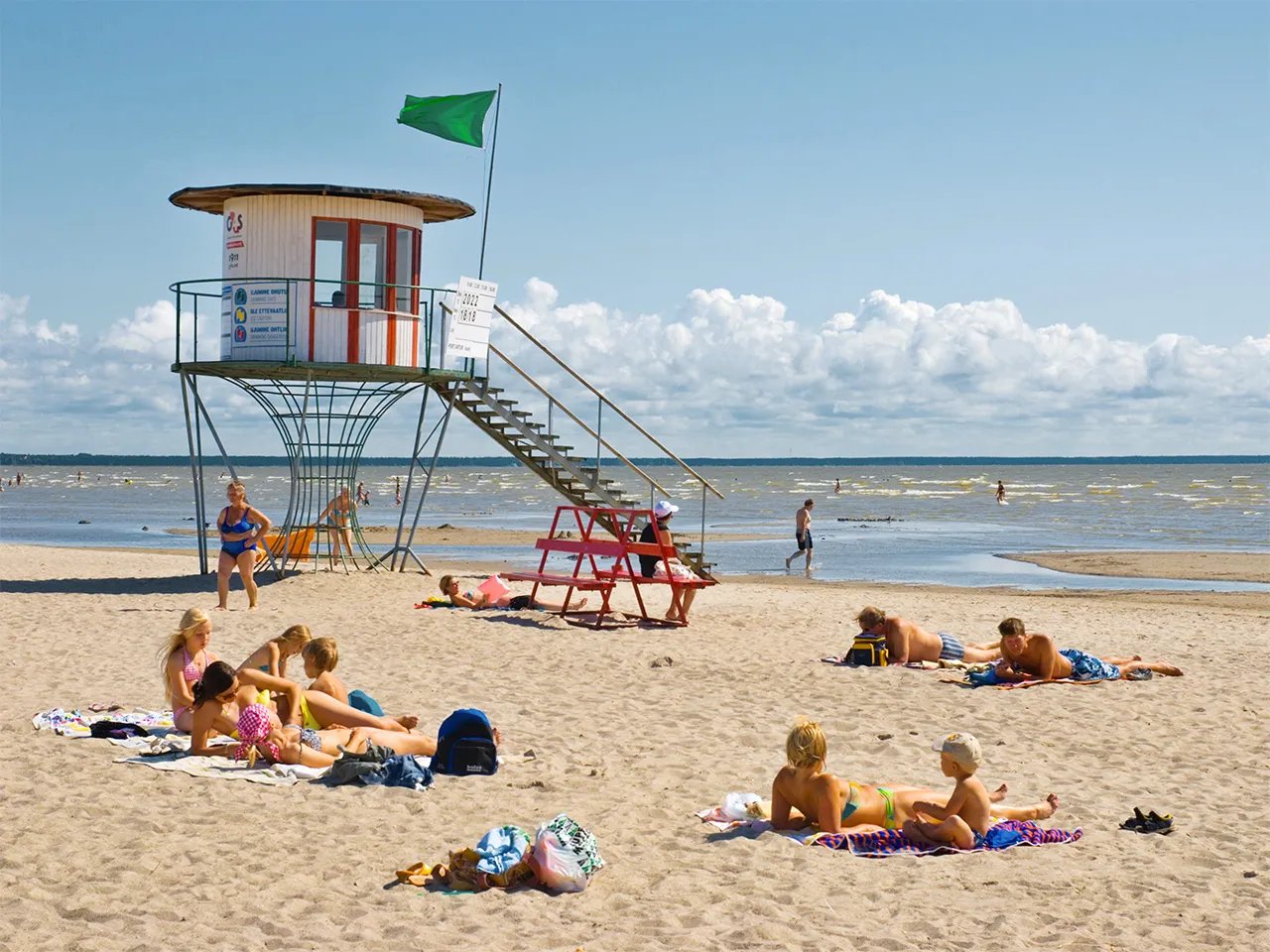
Estonia is getting increasingly warmer.
Data compiled by national authorities shows that Estonia experienced its third-warmest year on record in 2025, with the average air temperature (keskmine õhutemperatuur) measured at 1.6 degrees Celsius above the established 1991–2020 norm. According to the Environmental Board, this figure reflects a broader pattern observed across Europe, where rapid warming trends (kiire soojenemise trendid) are increasingly evident in long-term climate monitoring datasets.
Recent assessments further indicate that the country’s five warmest years since systematic measurement began have all occurred after 2015, reinforcing the persistence of long-term climate patterns (pikaajalised kliimamustrid). The findings align with conclusions from the European State of the Climate 2025 report, which identifies Estonia as part of a wider regional shift where climate variability (kliimamuutlikkus) is becoming more pronounced and measurable.
The Environmental Board emphasized that the ongoing transformation is already influencing multiple sectors, including the natural environment (looduskeskkond), economic activity, and daily routines. The report underscores that Estonia is directly affected by environmental change impacts (keskkonnamuutuste mõjud), dismissing any notion that such developments are confined to distant regions.
Seasonal analysis shows that winters in Estonia have undergone the most significant warming, consistent with patterns observed across Central and Eastern Europe. This shift is accompanied by an increase in extreme weather events (äärmuslikud ilmastikunähtused), including both heatwaves and intense precipitation episodes, which are becoming more frequent and more disruptive.
During the summer of 2025, precipitation levels reached an average of 299 millimeters, representing nearly one-third above normal seasonal levels. This surge in seasonal precipitation (hooajaline sademete hulk) resulted in localized flooding across multiple regions, with intense rainfall (tugev vihmasadu) causing damage to agricultural land and private gardens.
Flooding incidents were reported in urban and rural areas alike, including Tartu and the Kudruküla area in Narva, where rising water levels affected residential zones and forced evacuations. These events illustrate the growing risks associated with localized flooding (kohalik üleujutus) and the vulnerability of infrastructure to changing rainfall patterns.
At the same time, meteorological observations confirmed that Estonia experienced two separate heatwaves in July, further contributing to the year’s elevated temperature average. These heatwave periods (kuumalained) reflect a broader trend of increasing temperature extremes, which are being recorded with greater frequency across the region.
The Environmental Board stated that such developments confirm that climate change is not a distant phenomenon but an ongoing process affecting Europe in real time. The agency highlighted that climate system shifts (kliimasüsteemi muutused) are already visible in national data and are expected to continue influencing environmental conditions.
"We often tend to think that climate change primarily affects distant regions such as drought-stricken Africa or Asia facing extreme heatwaves. In reality, we are seeing its impacts increasingly clearly in Estonia as well, as winters have become noticeably warmer, heatwaves are more frequent, and the risk of heavy rainfall and localized flooding is growing," Environmental Board Director Taimar Ala in a press release.
"In 2025, Estonia and our close neighbor Finland were hit by an exceptionally long and intense heatwave, the effects of which reached the Arctic Circle. In other words, a changing climate is already shaping our living and natural environment, and adaptation is no longer a question for the future but a necessity today," Ala continued.
Officials also noted that these conclusions are based on extensive monitoring datasets (ulatuslikud seireandmestikud) collected over long periods, ensuring that the observed trends are supported by consistent and reliable measurements.
Scientific consensus supports these findings, with broader European climate analyses confirming that rising greenhouse gas concentrations are driving temperature anomalies (temperatuuri anomaaliad) and altering precipitation patterns. These shifts are linked to increased atmospheric moisture capacity, which contributes to heavier rainfall events, while also intensifying heat extremes during summer months.
Long-term projections suggest that Northern Europe, including Estonia, will continue to experience milder winters and wetter conditions, alongside a growing probability of hydrological extremes (hüdroloogilised äärmused). This combination of warming and increased precipitation variability is expected to place additional pressure on infrastructure, agriculture, and water management systems.
Key Estonian Vocabulary
keskmine õhutemperatuur average air temperature
kiire soojenemise trendid rapid warming trends
pikaajalised kliimamustrid long-term climate patterns
kliimamuutlikkus climate variability
looduskeskkond natural environment
keskkonnamuutuste mõjud environmental change impacts
äärmuslikud ilmastikunähtused extreme weather events
hooajaline sademete hulk seasonal precipitation
tugev vihmasadu intense rainfall
kohalik üleujutus localized flooding
kuumalained heatwave periods
kliimasüsteemi muutused climate system shifts
ulatuslikud seireandmestikud extensive monitoring datasets
temperatuuri anomaaliad temperature anomalies
hüdroloogilised äärmused hydrological extremes
For requests or suggestions: pr@estonianinstitute.com


Learn the official language of Estonia in 30 days thanks to the most complete Grammar, Vocabulary and Culture courses available. Start speaking Estonian today!
© Copyright 2026 Estonian Institute