
Estonia Prepares for Blockade Scenario with One-Month Supply Buffer
Strategic update outlines survival timelines, shifting defense doctrine, and rising geopolitical risks
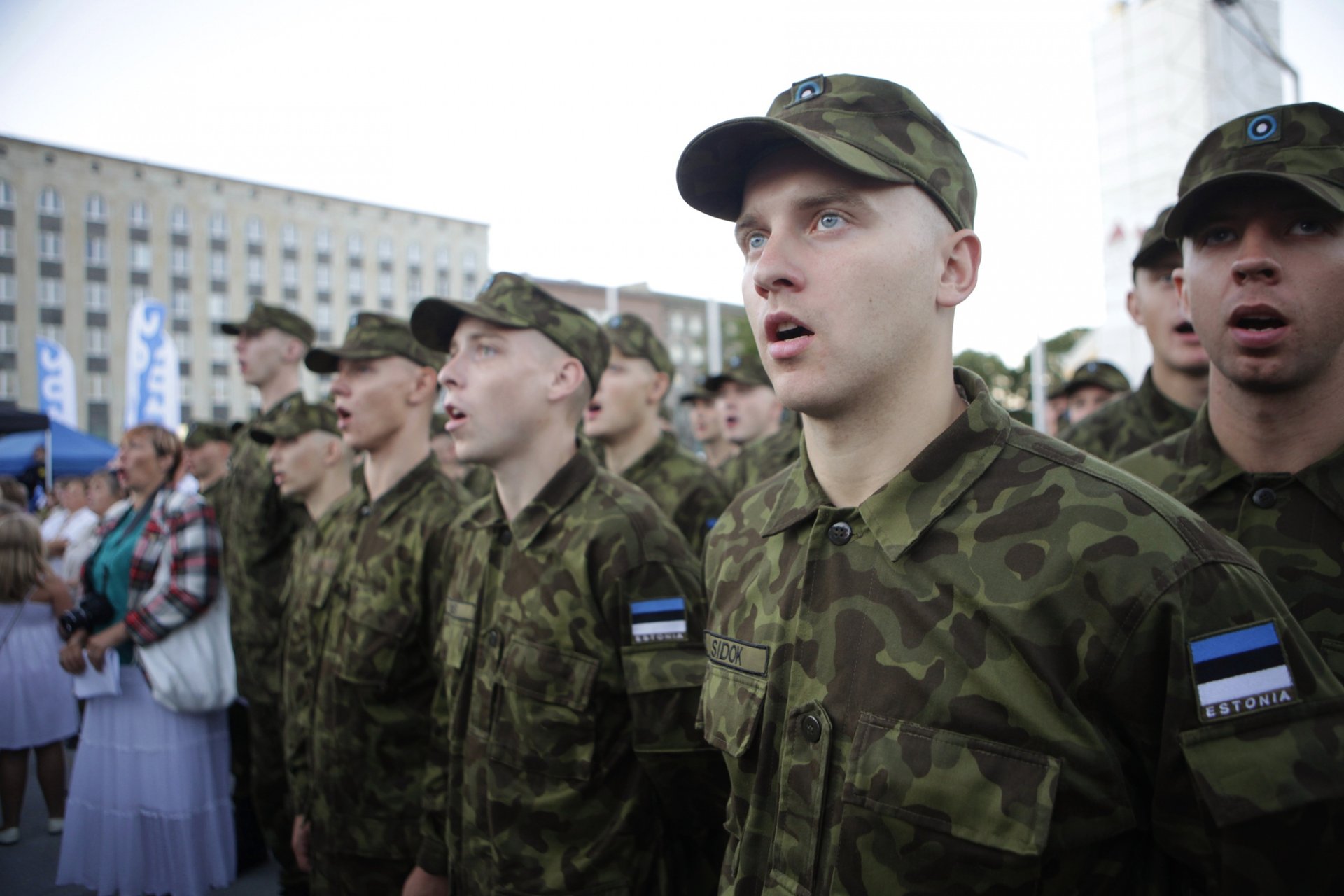
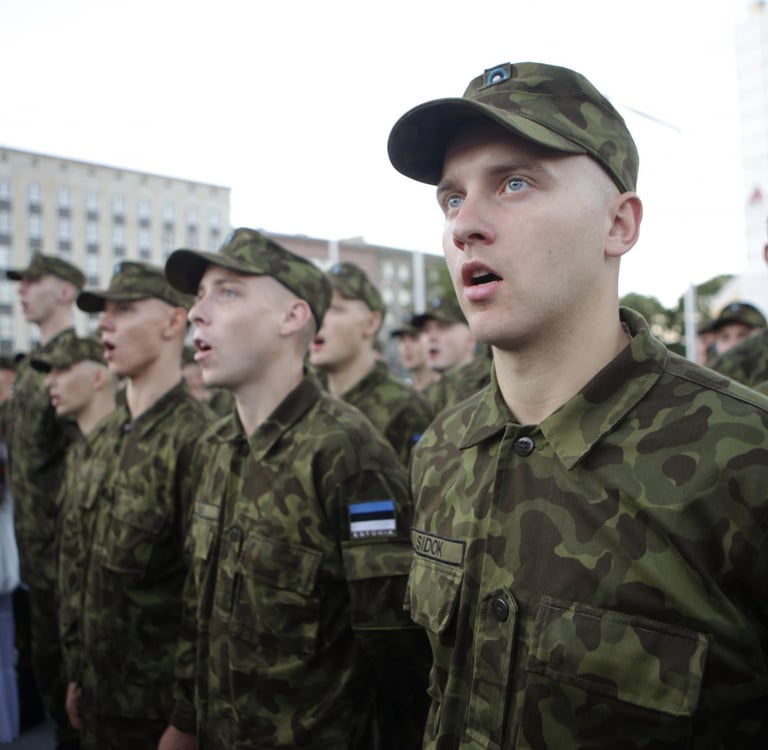
More than half of Estonian conscripts ready to defend the country.
Estonia’s latest national security framework establishes that, in the event of total isolation caused by conflict or crisis, the country’s food reserves (toiduvarud) are expected to sustain the population for approximately one month. Beyond this initial period, residents must be prepared for at least an additional week of independent survival under conditions of complete blockade (täielik blokaad). The policy reflects updated planning assumptions and was reported following revisions published through ERR, Estonia’s public broadcaster.
The revised strategy defines a scenario in which Estonia could face full disruption across air, land, and sea connections (õhu-, maismaa- ja mereühendused). Under such conditions, the state must maintain operational continuity without external assistance for a minimum of 30 days. This requirement forms part of a broader emphasis on autonomous functioning (iseseisev toimimine) during high-risk security situations, particularly those involving military escalation in the Baltic region.
Compared to the previous strategic update in 2023, the new document reflects a reassessment triggered by changes in the international security environment (rahvusvaheline julgeolekukeskkond). Officials initiated the review in response to increasing instability and evolving geopolitical pressures observed over the past year. The updated framework identifies a decline in predictability within the global system and highlights growing exposure to external pressure mechanisms (välise surve mehhanismid) affecting state resilience.
The accompanying explanatory note explicitly identifies Russia as the primary threat, citing its imperialist and aggressive policies (imperialistlik ja agressiivne poliitika) aimed at dismantling Europe’s existing security framework. The document states that these actions are intended to weaken the rules-based international order (reeglitel põhinev rahvusvaheline kord) while re-establishing spheres of influence. This assessment aligns with broader NATO and EU security evaluations issued since the escalation of the war in Ukraine.
The document further observes that shifts in United States foreign policy (Ameerika Ühendriikide välispoliitika) have resulted in Europe assuming greater responsibility for its own defense. This adjustment has implications for regional coordination, military spending, and crisis preparedness across EU member states. Estonia’s updated approach reflects this transition by reinforcing domestic preparedness and strengthening collective defense mechanisms (kollektiivkaitse mehhanismid) within allied frameworks.
China is addressed as a dual-factor actor within the strategy. On one side, the document references its involvement in supporting Russian actions in Ukraine alongside other states, identifying this as part of a broader pattern of strategic alignment (strateegiline joondumine). Simultaneously, it highlights China’s expanding role in economic and technological influence (majanduslik ja tehnoloogiline mõju), which enhances its capacity to shape global systems and decision-making processes.
A key structural change in the updated doctrine is the introduction of the concept of active defense (aktiivne kaitse). This principle complements, rather than replaces, the existing model of territorial defense (territoriaalkaitse). The adjustment reflects a shift toward preventing conflict from unfolding within Estonia’s borders by emphasizing early response and forward-positioned defense strategies.
Under this revised doctrine, Estonia rejects the notion of conceding territory with the intention of reclaiming it later. Instead, the strategy prioritizes transferring military operations (sõjalised operatsioonid) onto the aggressor’s territory. This approach is designed to limit civilian casualties (tsiviilohvrid) and reduce infrastructure damage within the country, aligning with modern defense doctrines focused on rapid containment and deterrence.
The resilience of essential infrastructure is also emphasized, particularly the uninterrupted functioning of vital services (elutähtsad teenused) such as energy, communications, and healthcare systems. The document underscores that national stability during crises depends on both institutional continuity and societal readiness, described as overall crisis resilience (kriisikindlus). Special mention is given to the national broadcaster’s role in maintaining information resilience (infokindlus) and countering disinformation.
Recent statements from Estonia’s military leadership further illustrate the severity of potential scenarios. In March, the commander of the Estonian Defense Forces stated that the country would lose all its power generation capacity (elektritootmisvõimsus) at the onset of a large-scale conflict. This assessment underscores vulnerabilities in critical infrastructure and reinforces the importance of preparedness measures outlined in the updated strategy.
Additional publicly available data from Estonian authorities supports the emphasis on civilian readiness. Government guidelines already recommend that households maintain emergency supplies covering at least seven days, including water, food, medicines, and alternative energy sources. These recommendations align with the strategic requirement for individual preparedness (isiklik valmisolek) and complement national-level contingency planning designed to ensure continuity under extreme conditions.
Key Estonian Vocabulary
toiduvarud food reserves
täielik blokaad complete blockade
õhu-, maismaa- ja mereühendused air, land, and sea connections
iseseisev toimimine autonomous functioning
rahvusvaheline julgeolekukeskkond international security environment
välise surve mehhanismid external pressure mechanisms
imperialistlik ja agressiivne poliitika imperialist and aggressive policies
reeglitel põhinev rahvusvaheline kord rules-based international order
Ameerika Ühendriikide välispoliitika United States foreign policy
kollektiivkaitse mehhanismid collective defense mechanisms
strateegiline joondumine strategic alignment
majanduslik ja tehnoloogiline mõju economic and technological influence
aktiivne kaitse active defense
territoriaalkaitse territorial defense
sõjalised operatsioonid military operations
tsiviilohvrid civilian casualties
elutähtsad teenused vital services
kriisikindlus crisis resilience
infokindlus information resilience
elektritootmisvõimsus power generation capacity
isiklik valmisolek individual preparedness
Send us your suggestions to: pr@estonianinstitute.com


Learn the official language of Estonia in 30 days thanks to the most complete Grammar, Vocabulary and Culture courses available. Start speaking Estonian today!
© Copyright 2026 Estonian Institute