Estonia Opens Resident Embassy in Armenia, Marking New Phase in Bilateral Relations
Diplomatic expansion reflects strategic cooperation, political alignment, and long-term partnership goals
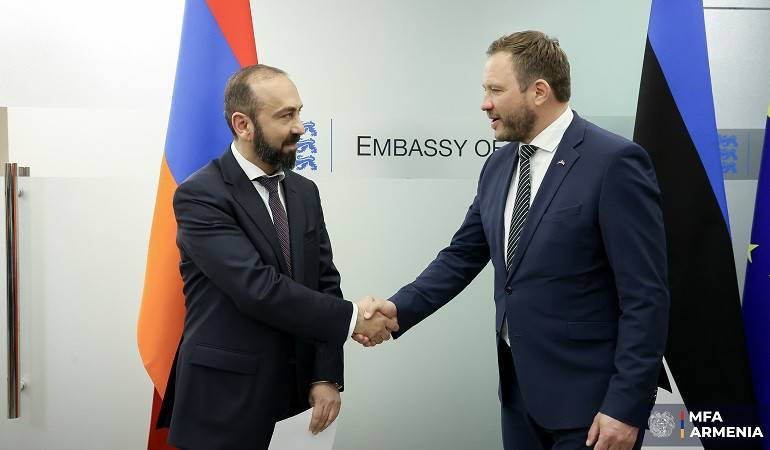
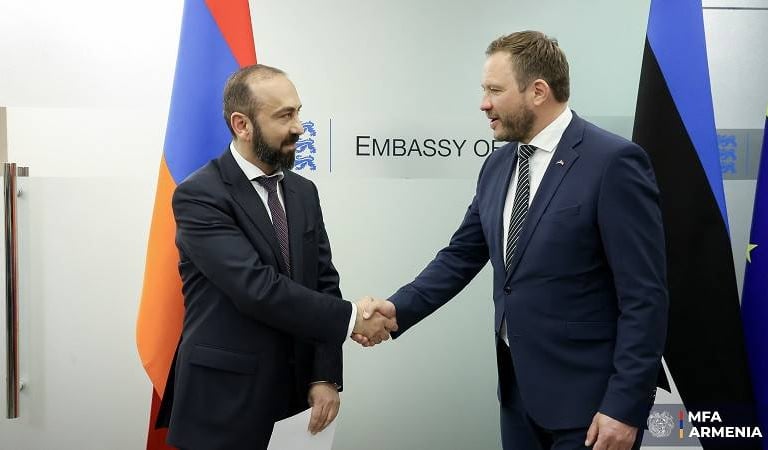
The opening of the Embassy of Estonia in Armenia.
The official opening of Estonia’s resident embassy in Yerevan on April 9, 2026, represents a significant step in bilateral diplomatic relations (kahepoolsed diplomaatilised suhted) between Estonia and Armenia. The ceremony took place during the official visit of Estonia’s foreign minister and was attended by both countries’ top diplomatic representatives, highlighting the importance of strengthening political and institutional ties.
Armenia’s foreign minister emphasized the symbolic and practical importance of the new diplomatic presence, describing it as a milestone in cooperation. The decision to establish a resident embassy reflects Estonia’s commitment to deepening engagement and expanding diplomatic representation (diplomaatiline esindatus) in the region. The move also signals a long-term investment in political dialogue and mutual support.
In his remarks, Armenia’s foreign minister stated: “Mr. Minister, my very dear friend Margus, I'm happy to see you once again in Yerevan at this very important location.” He continued: “It is indeed with great pleasure that I join you, all dear friends, in making this significant milestone in Armenian-Estonian relations, the opening of the resident embassy of the Republic of Estonia in Yerevan.” These statements underscore the importance of strategic partnership development (strateegilise partnerluse arendamine) between the two countries.
The Armenian side acknowledged that the decision to open the embassy required coordination across multiple government institutions. Despite administrative and financial considerations, the outcome reflects a clear political will to enhance cooperation. The embassy serves as a platform for strengthening institutional cooperation (institutsionaalne koostöö) and supporting Armenia’s development priorities.
“It reflects, of course, the commitment of Estonia, of Estonian government, and personally your commitment, dear friend, to promote further Armenian-Estonian relations,” the minister said. He also highlighted Estonia’s consistent support for Armenia’s engagement with the European Union, pointing to strong alignment in foreign policy priorities (välispoliitilised prioriteedid).
Estonia’s foreign minister framed the embassy opening as part of a broader diplomatic expansion strategy. He noted that Estonia is opening five new embassies, an uncommon move at a time when many countries are reducing their diplomatic networks. This reflects a proactive approach to international engagement strategy (rahvusvaheline kaasamisstrateegia) aimed at strengthening global partnerships.
“I can say to you that this year, it's a historical thing: Estonia is a small country, other countries, mainly in Europe, are closing their embassies – we are opening five new ones, and the Estonian Embassy in Armenia is the first one,” he said. This highlights Estonia’s intention to increase its diplomatic footprint despite global trends toward consolidation.
The Estonian minister also emphasized Armenia’s political direction, expressing support for its orientation toward peace, European values, and economic development. This alignment forms the basis for deeper cooperation in areas such as governance, security, and trade, reinforcing political alignment (poliitiline kooskõla) between the two nations.
Practical cooperation initiatives were also announced during the visit. These include joint cybersecurity exercises involving multiple teams from both countries, as well as business programs designed to help Armenian companies access new markets. Such initiatives illustrate the expansion of security cooperation frameworks (julgeolekukoostöö raamistikud) and economic collaboration.
“Today we opened the practical exercise about cyber security, more than 10 different teams from our agencies, practically exercising how to stand against all the attacks,” the Estonian minister stated. These activities demonstrate a focus on addressing modern threats through coordinated action and shared expertise.
The embassy will serve as a permanent diplomatic hub, facilitating ongoing communication and cooperation. The presence of a resident ambassador enhances the ability to manage bilateral relations effectively and supports the development of long-term diplomatic presence (pikaajaline diplomaatiline kohalolek) in Armenia.
Both sides emphasized the importance of trust and historical goodwill in their relationship. Estonia’s minister highlighted a sense of cultural affinity and mutual respect, noting a longstanding connection between the two nations despite geographical distance. This reflects the role of cultural diplomacy (kultuuridiplomaatia) in strengthening international partnerships.
“You must always have friends, and at least I can assure you that Estonians will remain your best friends,” he said, reinforcing the message of enduring cooperation. The emphasis on partnership extends beyond formal agreements to shared values and mutual support in challenging geopolitical conditions.
The opening of the embassy also aligns with broader European engagement in Armenia. Planned visits by European leaders and increased international attention indicate a growing role for Armenia in regional diplomacy. Estonia’s presence contributes to this dynamic by supporting multilateral cooperation efforts (mitmepoolse koostöö jõupingutused) within a wider European framework.
Ultimately, the establishment of the embassy reflects a forward-looking approach to international relations. It combines political commitment, practical cooperation, and strategic positioning, aiming to strengthen ties across multiple domains. Both countries expressed confidence that this step will lead to deeper collaboration and sustained partnership in the future.
Key Estonian Vocabulary
kahepoolsed diplomaatilised suhted bilateral diplomatic relations
diplomaatiline esindatus diplomatic representation
strateegilise partnerluse arendamine strategic partnership development
institutsionaalne koostöö institutional cooperation
välispoliitilised prioriteedid foreign policy priorities
rahvusvaheline kaasamisstrateegia international engagement strategy
poliitiline kooskõla political alignment
julgeolekukoostöö raamistikud security cooperation frameworks
pikaajaline diplomaatiline kohalolek long-term diplomatic presence
kultuuridiplomaatia cultural diplomacy
mitmepoolse koostöö jõupingutused multilateral cooperation efforts
For requests or suggestions: pr@estonianinstitute.com
Learn the official language of Estonia in 30 days thanks to the most complete Grammar, Vocabulary and Culture courses available. Start speaking Estonian today!
© Copyright 2026 Estonian Institute