
Estonia Launches Large-Scale Crisis Exercise to Test National Resilience
Ilves 2026 will simulate hybrid threats, coordination failures, and emergency response across society
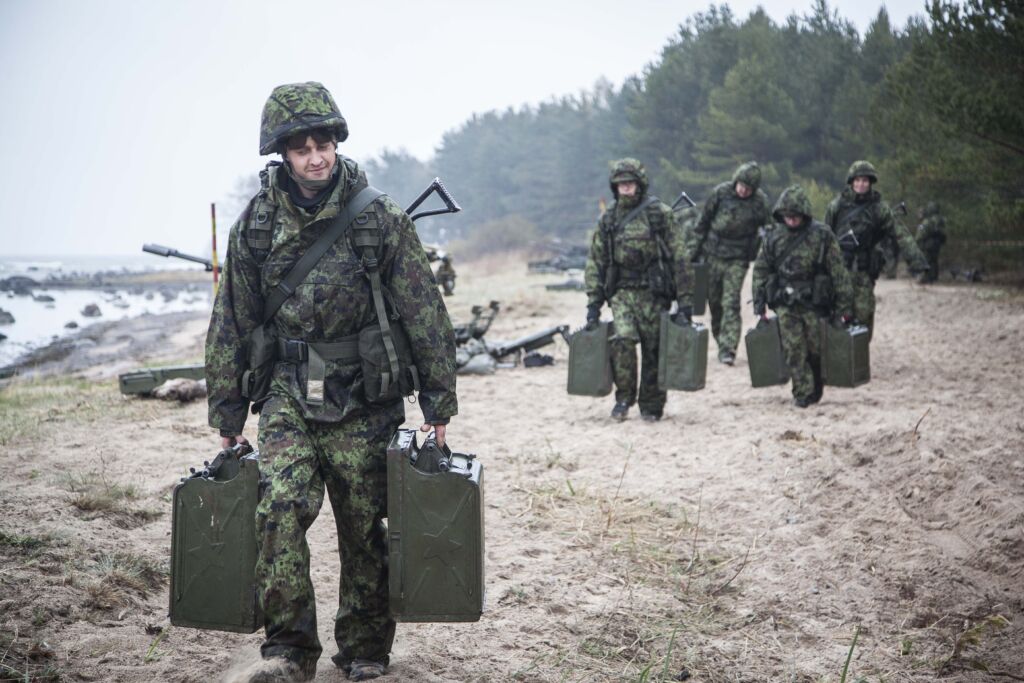
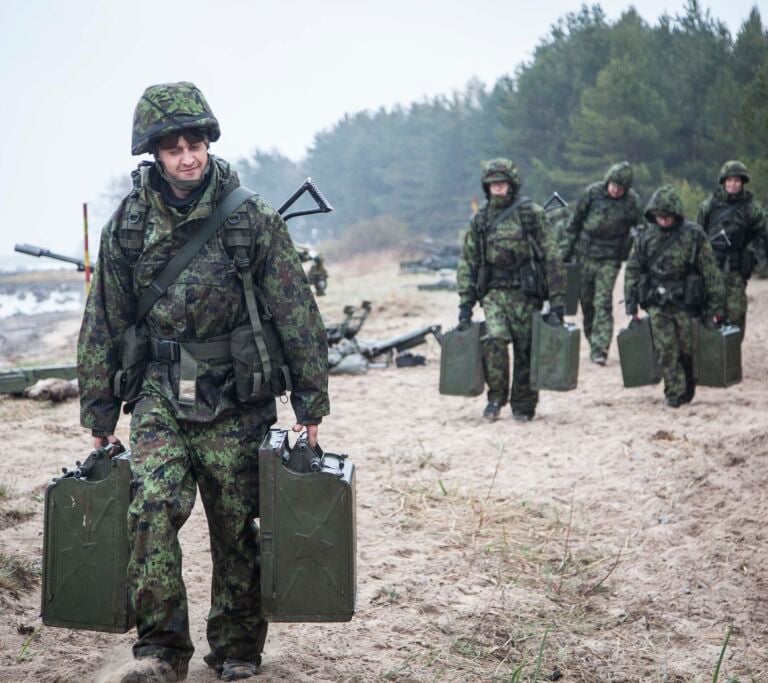
Photo from "Hedgehog,” Estonia's biggest military exercise of all time.
Estonia is preparing to conduct one of its most extensive national crisis simulations, bringing together more than 130 organisations to evaluate how the country would respond to complex emergencies. The exercise, known as Ilves 2026, will test the effectiveness of comprehensive defence systems (laiaulatuslik kaitsesüsteem) by involving institutions across the public, private and voluntary sectors. The initiative reflects a structured approach to ensuring national crisis preparedness (riiklik kriisivalmidus) in scenarios involving multiple simultaneous threats.
Scheduled to take place from 8 to 12 June, the exercise will involve thousands of participants, including government agencies, municipalities, businesses and volunteer groups. The aim is to assess how well Estonia can maintain operational continuity (tegevuse järjepidevus) under pressure, ensuring that decision-making processes, communication channels and service provision remain functional during disruptive events. The exercise is coordinated by the Government Office as part of long-term planning for emergency response coordination (hädaolukorra reageerimise koordineerimine).
According to the prime minister, Kristen Michal, the concept of comprehensive defence extends beyond military readiness and requires broad societal participation. “Comprehensive defence is more than just a term or concept,” he said, emphasising the importance of clearly defined roles within multi-sector cooperation frameworks (mitmesektori koostööraamistikud). The exercise is intended to ensure that in crisis situations, decisions are made efficiently and that information circulates effectively through communication flow systems (teabe liikumise süsteemid).
The scenarios developed for Ilves 2026 reflect a wide spectrum of modern security risks. These include information warfare operations (infotõrjeoperatsioonid), public unrest, sabotage incidents, explosions and drone-related threats (drooniohud). The exercise is designed to simulate the type of hybrid pressure that adversaries may use to create instability, testing Estonia’s ability to respond to hostile disruption scenarios (vaenuliku häire stsenaariumid) that affect both infrastructure and public confidence.
A key focus of the simulation will be the moments when authorities must take rapid decisions under uncertainty. This includes maintaining public order, coordinating emergency services and ensuring the continued operation of vital service infrastructure (elutähtsa taristu toimimine). Activities such as evacuations, rescue operations and assistance to affected populations will form part of the testing framework, reflecting real-world demands on civil protection mechanisms (tsiviilkaitse mehhanismid).
The exercise also aims to evaluate how effectively institutions cooperate and how clearly information reaches the public. Previous incidents have highlighted challenges in public alert communication (avaliku hoiatuse kommunikatsioon), including cases where warnings lacked sufficient clarity about affected areas. Addressing these gaps is essential to improving information reliability standards (teabe usaldusväärsuse standardid) during emergencies.
Ilves 2026 will not be limited to a single event but forms part of a broader programme of preparatory activities. Throughout the year, authorities are organising training sessions, inter-agency exercises and system tests to strengthen interoperability capabilities (koostalitlusvõime) between different organisations. These preparatory steps are intended to ensure that participants are familiar with procedures and can operate effectively within integrated response systems (integreeritud reageerimissüsteemid).
Officials have emphasised that the exercise does not indicate any immediate security threat. Instead, it is part of routine planning required under Estonia’s Emergency Act, which mandates regular crisis management exercises (kriisijuhtimise õppused) at least once every four years. The previous large-scale exercise, Crevex, was conducted in 2023 and provided a foundation for current improvements in resilience planning frameworks (vastupidavuse planeerimise raamistikud).
During the exercise period, the public may notice increased activity by emergency services and receive updates related to simulated scenarios. Authorities have stated that any visible drills will be announced in advance and conducted with appropriate safety measures, ensuring public safety assurance (avaliku ohutuse tagamine) while maintaining realism in the simulations.
The name Ilves, meaning lynx in Estonian, was chosen to symbolise vigilance and the ability to act decisively. Officials described the concept as representing a system in which responsibilities are clearly understood, cooperation functions effectively and responses are rapid and coordinated. This reflects a broader emphasis on situational awareness capacity (olukorrateadlikkuse võimekus) and the need for a society capable of responding coherently to complex crises.
Key Estonian Vocabulary
laiaulatuslik kaitsesüsteem comprehensive defence systems
riiklik kriisivalmidus national crisis preparedness
tegevuse järjepidevus operational continuity
hädaolukorra reageerimise koordineerimine emergency response coordination
mitmesektori koostööraamistikud multi-sector cooperation frameworks
teabe liikumise süsteemid communication flow systems
infotõrjeoperatsioonid information warfare operations
drooniohud drone-related threats
vaenuliku häire stsenaariumid hostile disruption scenarios
elutähtsa taristu toimimine vital service infrastructure
tsiviilkaitse mehhanismid civil protection mechanisms
avaliku hoiatuse kommunikatsioon public alert communication
teabe usaldusväärsuse standardid information reliability standards
koostalitlusvõime interoperability capabilities
integreeritud reageerimissüsteemid integrated response systems
kriisijuhtimise õppused crisis management exercises
vastupidavuse planeerimise raamistikud resilience planning frameworks
avaliku ohutuse tagamine public safety assurance
olukorrateadlikkuse võimekus situational awareness capacity
Send us your suggestions to: pr@estonianinstitute.com


Learn the official language of Estonia in 30 days thanks to the most complete Grammar, Vocabulary and Culture courses available. Start speaking Estonian today!
© Copyright 2026 Estonian Institute