
Estonia Issues Air Alert After Foreign Drones Breach Airspace
Military activity near Baltic Sea spills over into Estonian territory, prompting emergency response
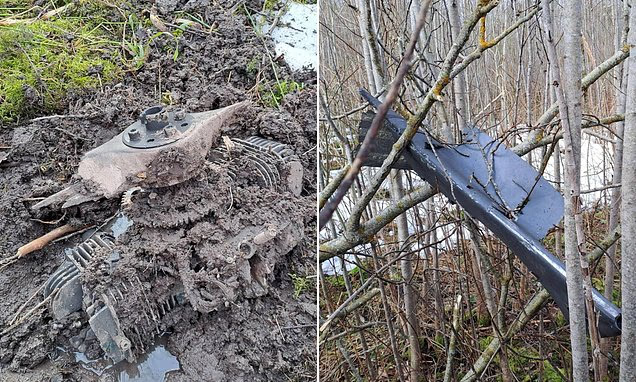
Estonia and Latvia hit by stray Ukrainian drones.
Estonia activated a nationwide air alert after multiple unmanned aerial vehicles entered its airspace during the night, highlighting escalating cross-border security spillover (piiriülene julgeoleku ülekandumine) linked to ongoing military operations in the region. Fewer than ten foreign drones were detected, and debris from at least one was later found on Estonian soil, marking a significant instance of airspace violation incidents (õhuruumi rikkumise juhtumid). Authorities confirmed that the immediate threat had subsided by early morning, but the situation reflects growing regional instability.
The incident follows intensified Ukrainian drone strikes targeting Russian military and logistical infrastructure near the Baltic Sea, particularly in areas such as Leningrad Oblast and key port facilities. According to military officials, the drones entered Estonian territory unintentionally as a consequence of electronic countermeasure interference (elektrooniliste vastumeetmete häired), which may have altered their flight paths. This development illustrates the broader risks associated with indirect conflict exposure (kaudne konfliktiga kokkupuude) for neighbouring countries.
Military sources confirmed that the drones approached Estonia from the south and east, reinforcing concerns about multi-directional aerial threats (mitmesuunalised õhuohud) rather than incursions from the Baltic Sea region itself. Surveillance systems detected varying flight behaviours, with some drones maintaining linear trajectories while others displayed erratic movement patterns, suggesting the influence of signal disruption techniques (signaali häirimise tehnikad) deployed during active operations.
The alert system was activated progressively as the situation evolved, with warnings issued even before confirmed entries into national airspace. Over the course of the night, most of mainland Estonia was placed under heightened alert, demonstrating the scale of nationwide emergency notification systems (üleriigilised hädaolukorra teavitussüsteemid). Only limited areas remained outside the risk zone, reflecting the unpredictability of aerial threats.
NATO aircraft operating from regional bases played a key role in monitoring the situation, underscoring the importance of integrated air defense coordination (integreeritud õhutõrje koordineerimine). Fighter jets were prepared to intercept the drones if necessary, but no engagement occurred over Estonian territory. Officials emphasized that decisions to neutralise aerial objects depend not only on tactical considerations but also on civilian safety risk assessments (tsiviilohutuse riskihindamised), particularly when debris could pose danger on the ground.
Physical evidence of the incident emerged when authorities located drone debris in a rural area in southern Estonia. Law enforcement agencies launched investigations into multiple potential crash sites, reflecting the operational complexity of post-incident forensic analysis (intsidendijärgne kohtuekspertiis). Public reports played a significant role, with dozens of sightings contributing to the identification of possible impact locations.
The situation also disrupted civilian aviation, as precautionary measures were introduced to manage air traffic safety protocols (lennuliikluse ohutusprotokollid). A scheduled flight was forced to return mid-route, while other services were delayed or cancelled. These disruptions highlight the immediate consequences of unidentified aerial object detection (tundmatu õhuobjekti tuvastamine) on commercial flight operations.
On the ground, emergency response systems experienced a surge in activity. Authorities reported a sharp increase in incoming calls, reflecting the strain placed on public emergency communication networks (avalikud hädaabisuhtlusvõrgud). Adjustments made after a previous alert helped redirect non-critical inquiries to dedicated information lines, improving the efficiency of crisis response management systems (kriisireageerimise juhtimissüsteemid).
This was not an isolated event. A similar incident had occurred days earlier when a drone struck infrastructure at a power facility, demonstrating a pattern of repeated airspace intrusion events (korduvad õhuruumi sissetungi juhtumid). The accumulation of such incidents indicates how ongoing conflict dynamics are extending beyond primary zones of engagement, affecting neighbouring states in tangible ways.
Authorities reiterated that the alert system must be treated seriously at all times unless explicitly identified as a test. Officials also urged the public to avoid approaching suspicious objects and to refrain from sharing sensitive information online, pointing to the risks associated with information security vulnerabilities (teabejulgeoleku haavatavused) during active incidents.
Despite the escalation, officials stressed that there was no indication of a direct, imminent threat to Estonia. The response forms part of established preparedness measures designed to handle hybrid threat scenarios (hübriidohu stsenaariumid) that combine military, technological and informational elements. By morning, normal activities resumed, but the event reinforced the importance of readiness in a rapidly evolving security environment.
Key Estonian Vocabulary
piiriülene julgeoleku ülekandumine cross-border security spillover
õhuruumi rikkumise juhtumid airspace violation incidents
elektrooniliste vastumeetmete häired electronic countermeasure interference
kaudne konfliktiga kokkupuude indirect conflict exposure
mitmesuunalised õhuohud multi-directional aerial threats
signaali häirimise tehnikad signal disruption techniques
üleriigilised hädaolukorra teavitussüsteemid nationwide emergency notification systems
integreeritud õhutõrje koordineerimine integrated air defense coordination
tsiviilohutuse riskihindamised civilian safety risk assessments
intsidendijärgne kohtuekspertiis post-incident forensic analysis
lennuliikluse ohutusprotokollid air traffic safety protocols
tundmatu õhuobjekti tuvastamine unidentified aerial object detection
avalikud hädaabisuhtlusvõrgud public emergency communication networks
kriisireageerimise juhtimissüsteemid crisis response management systems
korduvad õhuruumi sissetungi juhtumid repeated airspace intrusion events
teabejulgeoleku haavatavused information security vulnerabilities
hübriidohu stsenaariumid hybrid threat scenarios
Send us your suggestions to: pr@estonianinstitute.com


Learn the official language of Estonia in 30 days thanks to the most complete Grammar, Vocabulary and Culture courses available. Start speaking Estonian today!
© Copyright 2026 Estonian Institute