
Estonia Faces Declining Competitiveness Amid Trade Imbalances and Rising Costs
Analyst warns of structural weaknesses, falling exports, and growing socio-economic pressure
Estonia is currently facing multiple economic hardships.
Recent economic data indicates a persistent deterioration in Estonia’s external performance, with a continued downward trend in export dynamics (ekspordi dünaamika) observed over several months. According to economic analyst Heido Vitsur, fluctuations have been minimal, but the overall direction remains negative, pointing to a sustained weakening of foreign trade performance (väliskaubanduse tulemuslikkus). He stated that the situation is “more troubling than the slight drop seen in February,” emphasising that the decline reflects a longer-term structural issue.
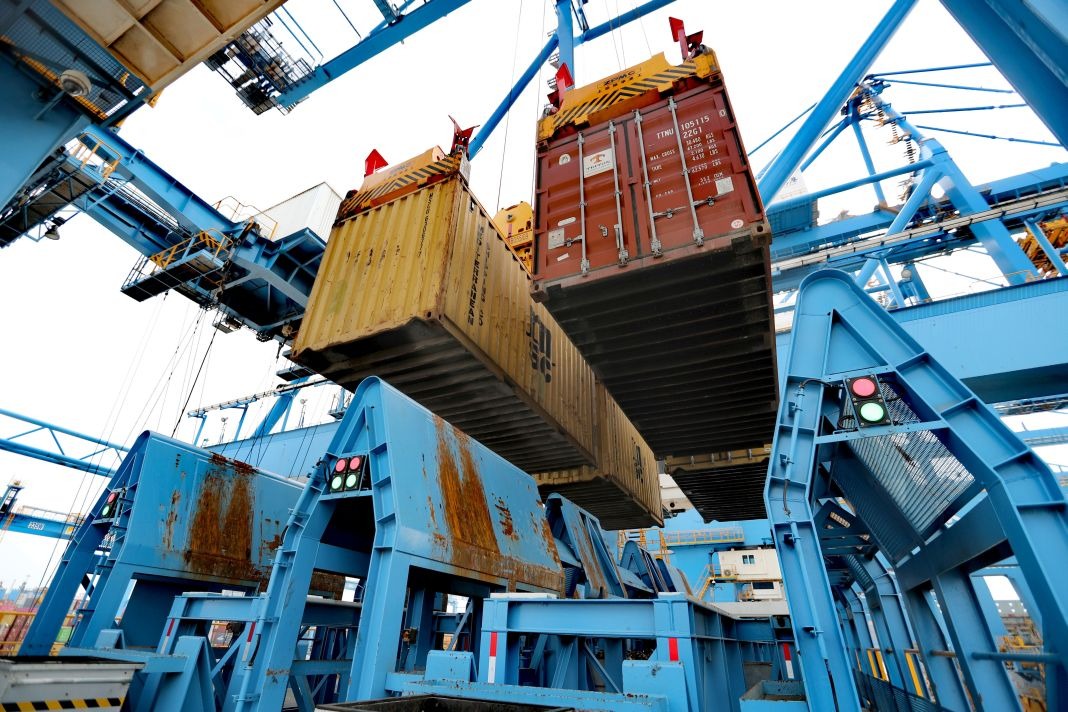
Statistical indicators reinforce these concerns. Data from Statistics Estonia shows that exports of goods fell by 1% in February compared to the same period the previous year, while imports rose by 6%, widening the trade imbalance (kaubandusbilansi tasakaalutus). The resulting trade deficit reached €426 million, representing a significant increase of €132 million year-on-year. This shift highlights a growing gap between domestic production and external demand, reflecting weakening market competitiveness (turukonkurentsivõime).
Vitsur attributed part of this decline to Estonia’s relatively high cost structure. He noted that without achieving strong innovation capacity (innovatsioonivõimekus), the country risks losing its competitive position both within Europe and globally. This limitation directly affects economic growth potential (majanduskasvu potentsiaal), as high costs without corresponding productivity gains reduce the attractiveness of Estonian goods and services in international markets.
Earlier assessments by the International Monetary Fund identified similar trends. An analysis conducted prior to 2024 concluded that Estonia has been gradually losing market share compared to competing economies since the 2009 financial crisis. This long-term erosion of export competitiveness (ekspordi konkurentsivõime) suggests that the current challenges are not temporary but embedded within broader economic structures. Vitsur summarised the situation by stating, “So there is something very worrying about our competitiveness.”
Industrial production data adds further evidence of weakening economic conditions. In particular, the decline in food production output (toidutootmise toodang) reflects both reduced domestic demand and broader consumption constraints. At the same time, rising prices have placed additional pressure on households, contributing to a contraction in consumer demand levels (tarbimisnõudluse tasemed) across key sectors.
Over the past five years, Estonia has reached a price level above the European average, with food prices ranking among the highest in the European Union. This has created a disparity between price level convergence (hinnataseme lähenemine) and income levels, as wages remain significantly lower than in countries with similar costs. According to Vitsur, this imbalance represents a serious socio-economic inequality issue (sotsiaalmajanduslik ebavõrdsus), affecting purchasing power and overall living standards.
The analyst warned that delays in implementing measures to address rising costs could have long-term consequences. While he expressed skepticism about certain policy approaches, such as Lithuania’s temporary free public transport initiative, he acknowledged that such measures may influence energy consumption patterns (energiatarbimise mustrid) by reducing reliance on fuel. This highlights the broader role of policy in shaping economic behaviour beyond direct price controls.
Comparative data illustrates the extent of price pressures. Estonia has recently recorded higher food prices than Sweden, following Sweden’s decision to reduce its value-added tax on food from 12% to 6%. This demonstrates how tax policy adjustments (maksupoliitika kohandused) can directly affect consumer prices. However, Vitsur cautioned that lowering taxes does not automatically guarantee price reductions without effective market regulation mechanisms (tururegulatsiooni mehhanismid).
"If we do not have solid agreements and control mechanisms that allow us to determine who is violating them, then there will be little benefit," he stated, underlining the importance of enforcement in ensuring policy effectiveness. This reflects concerns about price transmission efficiency (hindade ülekande efektiivsus) within the supply chain, where reductions in taxation may not fully reach consumers.
The broader economic outlook suggests that Estonia’s challenges are interconnected, involving trade performance, cost structures, and policy effectiveness. Addressing these issues will require coordinated efforts to strengthen innovation, improve productivity, and ensure that policy interventions are supported by robust monitoring systems. Without such measures, the current trajectory.
Key Estonian Vocabulary
ekspordi dünaamika export dynamics
väliskaubanduse tulemuslikkus foreign trade performance
kaubandusbilansi tasakaalutus trade imbalance
turukonkurentsivõime market competitiveness
innovatsioonivõimekus innovation capacity
majanduskasvu potentsiaal economic growth potential
ekspordi konkurentsivõime export competitiveness
toidutootmise toodang food production output
tarbimisnõudluse tasemed consumer demand levels
hinnataseme lähenemine price level convergence
sotsiaalmajanduslik ebavõrdsus socio-economic inequality
energiatarbimise mustrid energy consumption patterns
maksupoliitika kohandused tax policy adjustments
tururegulatsiooni mehhanismid market regulation mechanisms
hindade ülekande efektiivsus price transmission efficiency
For requests or suggestions: pr@estonianinstitute.com


Learn the official language of Estonia in 30 days thanks to the most complete Grammar, Vocabulary and Culture courses available. Start speaking Estonian today!
© Copyright 2026 Estonian Institute