
Estonia Avoids Detaining Russian “Shadow Fleet” Ships Over Escalation Risks
Maritime law limits enforcement options as security concerns reshape naval strategy in the Baltic Sea
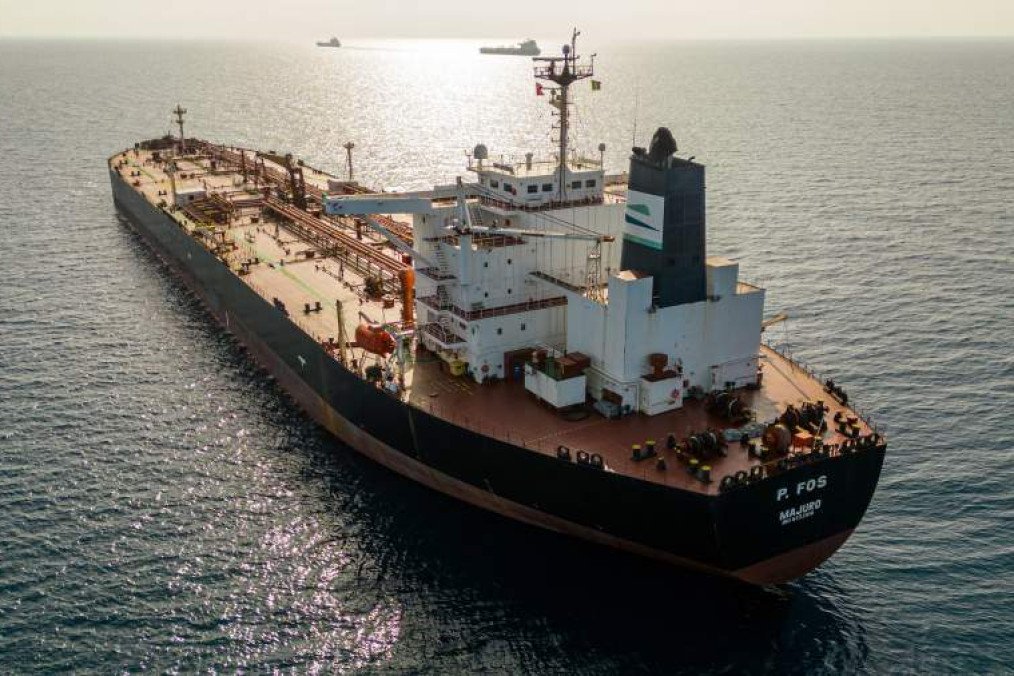
Estonian navy releases Russian 'shadow fleet' oil tanker.
Estonia has decided not to detain vessels linked to Russia’s so-called shadow fleet (varilaevastik) in the Baltic Sea, citing concerns about possible military escalation (sõjaline eskalatsioon). The decision reflects a shift in enforcement strategy, despite earlier indications that authorities were prepared to take stronger action against ships suspected of violating sanctions.
According to reporting based on statements from the Estonian Navy, the risk of a forceful response (jõuline vastus) from Moscow is considered “just too high.” As a result, Estonia will refrain from seizing vessels even when other European countries continue efforts to enforce restrictions on ships operating under questionable conditions, including those engaged in sanctions evasion (sanktsioonidest kõrvalehoidmine).
A turning point in this approach occurred during a 2025 incident involving the tanker Jaguar, which was suspected of sailing under a false flag (vale lipp). Estonia attempted to stop and inspect the vessel, but the situation escalated when a Russian fighter jet reportedly entered NATO-controlled airspace. The tanker subsequently moved into Russian territorial waters, highlighting the operational risks associated with such interventions.
Following this episode, Estonia adopted a more cautious stance toward maritime enforcement. The presence of increased Russian naval activity, including continuous armed patrols (relvastatud patrullid) in the Gulf of Finland, has reinforced concerns about maintaining regional stability while avoiding direct confrontation.
Authorities now indicate that intervention will only occur in cases involving immediate threats, such as potential environmental hazards (keskkonnaohud) like oil spills or risks to underwater infrastructure (veealune taristu). This narrower scope reflects a balancing act between enforcing regulations and minimizing geopolitical risks.
Legal constraints also shape Estonia’s actions. Under the United Nations Convention on the Law of the Sea, vessels are granted the right of innocent passage (süütu läbipääs) through territorial waters. However, ships that lack proper registration or operate without a recognized nationality may be subject to detention under certain conditions related to maritime law enforcement (mereõiguse jõustamine).
“In case of suspicion, the Transport Administration has the authority to board and inspect the vessel”
Despite these limitations, Estonia has previously taken enforcement action. In early 2025, authorities detained the tanker Kiwala, which was sailing under a false registration (vale registreerimine). The vessel was later released, as was another ship detained under similar circumstances by France. These cases illustrate the complexity of applying international law in practice.
Government representatives have emphasized that monitoring efforts remain active. Surveillance of vessel traffic continues as part of broader maritime situational awareness (mereseisundi teadlikkus), with authorities conducting preliminary checks when documentation appears questionable. If irregularities are confirmed, ships may be directed to ports for further inspection under established procedures.
“If there is a justified suspicion that a vessel is stateless — meaning it has no legal right to sail under any country’s flag, making questions of state responsibility in the event of an incident unclear — the Convention grants every state the right to take such measures. The Jaguar had no nationality, it was also included on the United Kingdom's sanctions list and lacked insurance. Estonia escorted the tanker until it exited the Estonian Economic Exclusion Zone. There was no immediate threat to national security or infrastructure, and therefore any further steps were not deemed necessary. We will continue to assess each situation individually, and our response may vary accordingly.
The Estonian Transport Administration continuously monitors vessel traffic in Estonian waters. If doubts arise regarding a vessel’s flag state or related documentation, officials will contact the vessel and conduct a preliminary verification. Should suspicions remain that the documentation does not meet requirements, the Transport Administration has the authority to board and inspect the vessel.
If issues are identified, the vessel will be directed to the nearest suitable port for a detailed inspection and, if necessary, detained until all deficiencies are resolved (as happened in Kiwala’s case). Such inspections verify compliance with international regulations to ensure maritime safety, security, and environmental protection.
Peaceful passage through territorial waters is permitted; however, the Estonian Navy’s mission is to maintain maritime situational awareness and to safeguard and defend Estonia’s maritime borders.”
Overall, Estonia’s revised approach reflects a strategic reassessment shaped by both legal frameworks and security considerations. While enforcement against non-compliant vessels remains possible, the priority has shifted toward reducing the risk of confrontation and preserving stability in a sensitive maritime region.
Key Estonian Vocabulary
varilaevastik shadow fleet
sõjaline eskalatsioon military escalation
jõuline vastus forceful response
sanktsioonidest kõrvalehoidmine sanctions evasion
vale lipp false flag
relvastatud patrullid armed patrols
keskkonnaohud environmental hazards
veealune taristu underwater infrastructure
süütu läbipääs innocent passage
mereõiguse jõustamine maritime law enforcement
vale registreerimine false registration
mereseisundi teadlikkus maritime situational awareness
For requests or suggestions: pr@estonianinstitute.com


Learn the official language of Estonia in 30 days thanks to the most complete Grammar, Vocabulary and Culture courses available. Start speaking Estonian today!
© Copyright 2026 Estonian Institute