
Does Estonia Have Too Many Grocery Stores?
Retail competition, consumer habits, and efficiency pressures reshape Estonia’s supermarket landscape
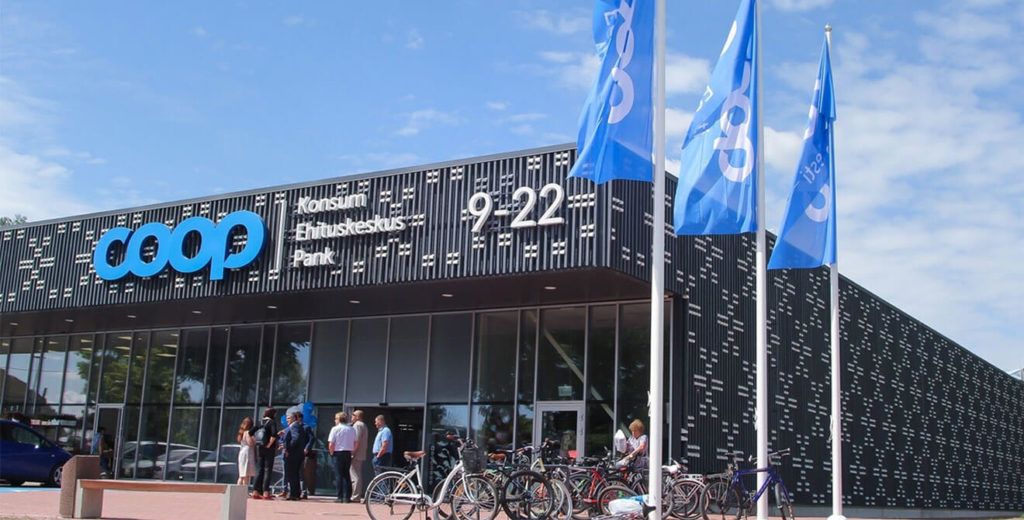
Several major retail chains are planning new stores.
The recent move by a Finnish retail group to sell 13 Prisma Peremarket locations to Coop has revived debate about the size of Estonia’s retail sector, particularly the number of grocery stores (toidupoed) and the structure of the retail market (jaeturg). This development highlights ongoing adjustments within the sector, where ownership changes and operational efficiency are closely tied to long-term profitability.
Consumer behavior studies confirm that convenient location (mugav asukoht) is the dominant factor when choosing where to shop. Retailers have long observed that stores positioned on one side of a busy intersection may perform strongly, while competitors directly across the street may struggle due to traffic flow patterns (liiklusvoogude mustrid). As one executive explained, customers are less inclined to make inconvenient turns during routine travel.
Shopping habits are also evolving. According to industry observations, many customers now divide their purchases across multiple chains, reflecting reduced brand loyalty (brändilojaalsus) and an increase in multi-store shopping (mitme poe ostlemine). This shift forces retailers to differentiate themselves clearly in order to maintain relevance in a highly competitive environment.
Different chains emphasize distinct strengths to attract customers. Some focus on offering a wide product selection (tootevalik), while others prioritize affordable private-label products (omamärgitooted), which have become a significant component of retail strategies. Smaller stores, particularly those positioned as community shops (kogukonnapood), appeal to customers seeking quick access to everyday goods without navigating large retail spaces.
Local sourcing also plays a measurable role in retail positioning. One major chain reports selling over €1.5 million worth of goods daily from local producers (kohalikud tootjad), emphasizing domestic food supply (kodumaine toidutootmine) as a competitive advantage. This reflects broader consumer interest in locally produced items and national supply chains.
At the same time, operational efficiency remains a central concern. Retailers aim to optimize processes such as inventory management (laohaldus) and supply chain logistics (tarneahela logistika), often using digital solutions (digilahendused) and automated systems to reduce waste and improve margins. Some smaller chains highlight simplified administrative structures and the absence of complex systems like loyalty programs as a cost advantage.
Despite strong competition, most market participants do not believe Estonia has an excessive number of stores overall. Instead, inefficiencies may exist at specific locations, particularly where store density (poodide tihedus) is unusually high. Reducing a small number of outlets would not significantly alter the national retail landscape, according to industry estimates.
Public perception of constant expansion may also be misleading. While store openings (poodide avamised) receive media attention, store closures (poodide sulgemised) often go less reported. In reality, several chains have closed underperforming locations in recent years, demonstrating ongoing market adjustment (turu kohandumine) rather than unchecked growth.
Retailers do not expect major chains to exit the Estonian market in the near future, although financial pressures remain. Some companies continue to operate at a loss, raising questions about long-term profitability challenges (kasumlikkuse probleemid) and the sustainability of current business models. Industry representatives acknowledge uncertainty about how certain operators will reverse persistent losses.
Looking ahead, further consolidation appears likely. Executives predict that within five to ten years, a noticeable number of outlets will close as companies reassess store performance (poe tulemuslikkus) and adapt to changing demand. However, this trend is uneven, as some smaller communities continue to express demand for new retail locations.
Another structural shift concerns store size. The traditional hypermarket model (hüpermarketi mudel) is losing relevance as consumers increasingly purchase non-food goods through online shopping (veebikaubandus). As a result, mid-sized stores are emerging as the most practical format, balancing convenience with operational efficiency.
Profitability remains concentrated in urban areas, particularly in and around Tallinn, where population density (rahvastikutihedus) supports higher sales volumes. In contrast, rural locations face greater challenges due to lower demand, making them more vulnerable to closures when financial performance becomes the primary decision factor.
Key Estonian Vocabulary
toidupoed grocery stores
jaeturg retail market
mugav asukoht convenient location
liiklusvoogude mustrid traffic flow patterns
brändilojaalsus brand loyalty
mitme poe ostlemine multi-store shopping
tootevalik product selection
omamärgitooted private-label products
kogukonnapood community shop
kohalikud tootjad local producers
kodumaine toidutootmine domestic food supply
laohaldus inventory management
tarneahela logistika supply chain logistics
digilahendused digital solutions
poodide tihedus store density
poodide avamised store openings
poodide sulgemised store closures
turu kohandumine market adjustment
kasumlikkuse probleemid profitability challenges
poe tulemuslikkus store performance
hüpermarketi mudel hypermarket model
veebikaubandus online shopping
rahvastikutihedus population density
For requests or suggestions: pr@estonianinstitute.com


Learn the official language of Estonia in 30 days thanks to the most complete Grammar, Vocabulary and Culture courses available. Start speaking Estonian today!
© Copyright 2026 Estonian Institute