
Classic Frikadellisupp Continues to Top Estonia’s Favorite Recipes
Simple meatball soup remains the most popular dish among home cooking audiences
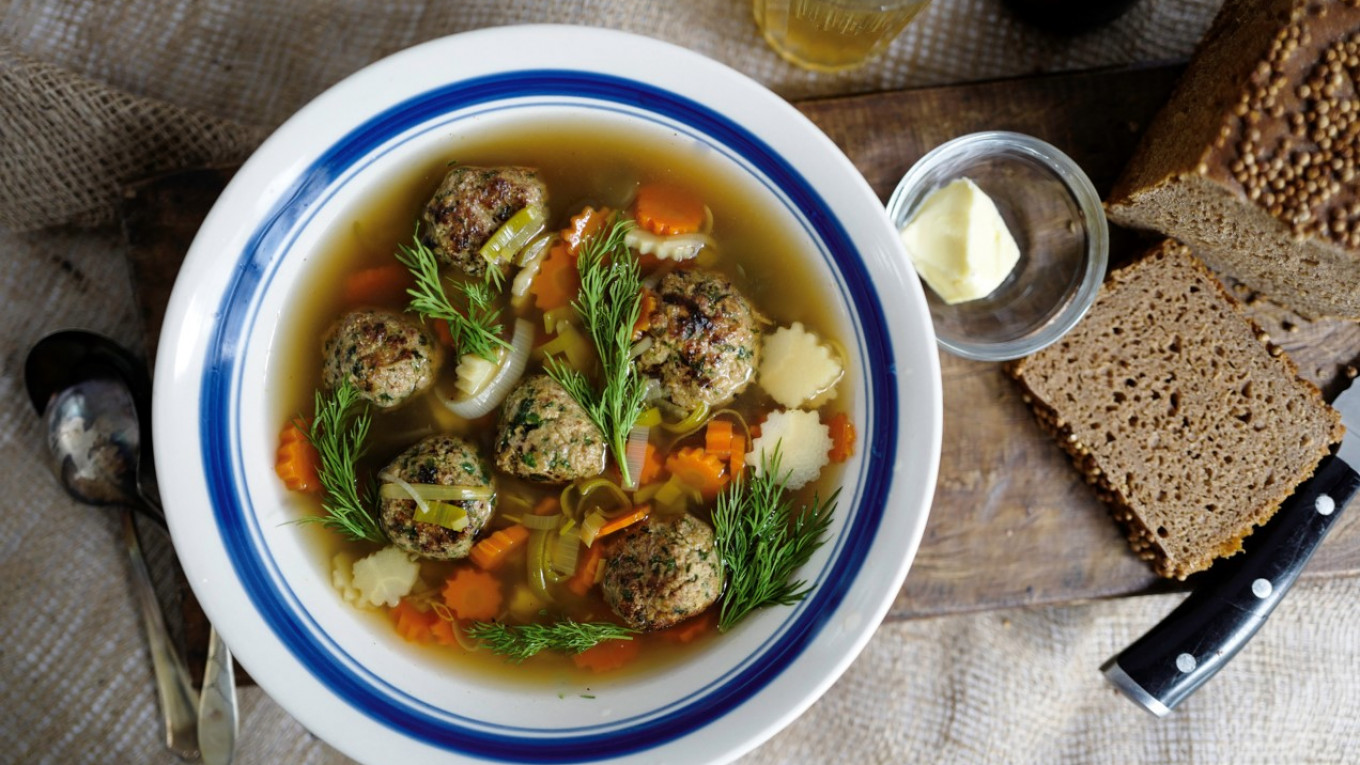
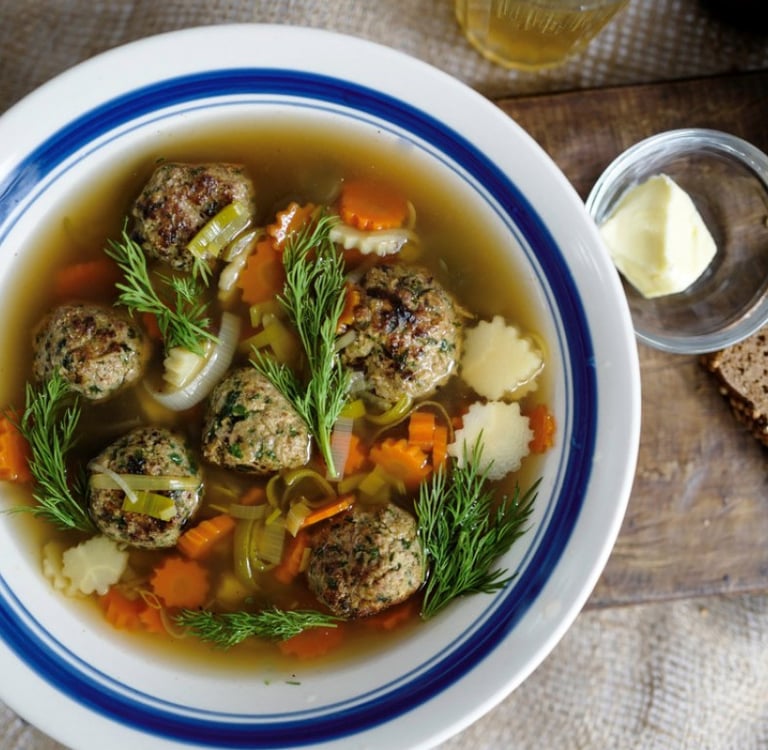
Estonian frikadellisupp climbs the charts.
The traditional Estonian meatball soup (lihallsupp) known as frikadellisupp continues to dominate recipe popularity, consistently ranking as the most viewed dish on a well-known food blog. Despite its modest appearance, the enduring appeal of this comfort food (mugavustoit) lies in its familiarity, accessibility, and balanced flavors that resonate across generations.
According to the recipe’s creator, the dish may appear extremely simple at first glance, yet that simplicity can be misleading. "You might think it's a dish with hardly any ingredients and not much to do," she said. "But ever since I posted it on my blog four or five years ago, it's constantly been my most popular recipe." This highlights how recipe popularity (retsepti populaarsus) can be driven not only by complexity but also by reliability and tradition.
One of the practical aspects of the dish is its flexibility, particularly when it comes to the meatballs themselves. While the dish is often associated with homemade preparation, store-bought ingredients (poest ostetud koostisosad) can be used without compromising the overall result. "I definitely don't think there's anything wrong with that," Luide said, emphasizing convenience in everyday cooking.
For those who prefer preparing everything from scratch, the meatball mixture typically includes ground meat, eggs, salt, nutmeg, and black pepper. Attention to seasoning is crucial for achieving the correct flavor balance. "You should add a whole teaspoon of salt," she said, pointing out that proper seasoning balance (maitsestamise tasakaal) cannot easily be adjusted after cooking.
The preparation of the soup base is equally important and requires patience. The process begins with gently cooking carrots and onions to create a smooth texture and consistent flavor. This step reflects the importance of slow cooking (aeglane küpsetamine), where ingredients are softened without browning to maintain a delicate taste.
"The onion has to give flavor but not show up as hard pieces when you eat it," she explained. This approach ensures that the final dish achieves the desired texture consistency (tekstuuriline ühtlus), which is a defining characteristic of the soup.
Once the base is prepared, the remaining ingredients are added, including broth, potatoes, herbs, and the meatballs. The result is a straightforward dish built on a few essential components, illustrating the concept of simple cooking methods (lihtsad toiduvalmistamise meetodid) that rely on technique rather than complexity.
"It's a very straightforward food — simple, tried and true," Luide said. This statement reflects the long-standing role of such recipes in Estonian cuisine, where traditional dishes often emphasize practicality and familiarity.
Variations of the recipe can further reduce preparation time. For example, grating carrots and omitting onions can speed up the process, making the dish even more accessible for everyday meals. This adaptability highlights the value of quick preparation (kiire valmistamine) in modern cooking habits.
"If you grate the carrots and skip the onions, it's an even quicker soup to make," she added, noting that making the meatballs from scratch is the most time-consuming step.
The dish also shares similarities with other regional recipes, such as Latvian and Russian meatball soups, indicating a broader culinary tradition across Eastern Europe. These variations reflect a shared approach to regional cuisine (piirkondlik köök), where similar ingredients are adapted to local preferences.
Historically, soups like frikadellisupp have been a staple in Northern and Eastern European diets due to their nutritional value and ease of preparation. The combination of broth, vegetables, and protein provides a balanced meal, aligning with principles of traditional home cooking (traditsiooniline koduköök).
In Estonia, such dishes continue to hold cultural significance, often associated with family meals and seasonal eating. Their continued popularity demonstrates how culinary traditions can persist even as food trends evolve, supported by their practicality and emotional connection to everyday life.
Key Estonian Vocabulary
lihallsupp meatball soup
mugavustoit comfort food
retsepti populaarsus recipe popularity
poest ostetud koostisosad store-bought ingredients
maitsestamise tasakaal seasoning balance
aeglane küpsetamine slow cooking
tekstuuriline ühtlus texture consistency
lihtsad toiduvalmistamise meetodid simple cooking methods
kiire valmistamine quick preparation
piirkondlik köök regional cuisine
traditsiooniline koduköök traditional home cooking
For requests or suggestions: pr@estonianinstitute.com


Learn the official language of Estonia in 30 days thanks to the most complete Grammar, Vocabulary and Culture courses available. Start speaking Estonian today!
© Copyright 2026 Estonian Institute