
Chernobyl Cleanup Recalled as Ineffective by Estonian Participant
Eyewitness account describes failed decontamination efforts and long-term consequences
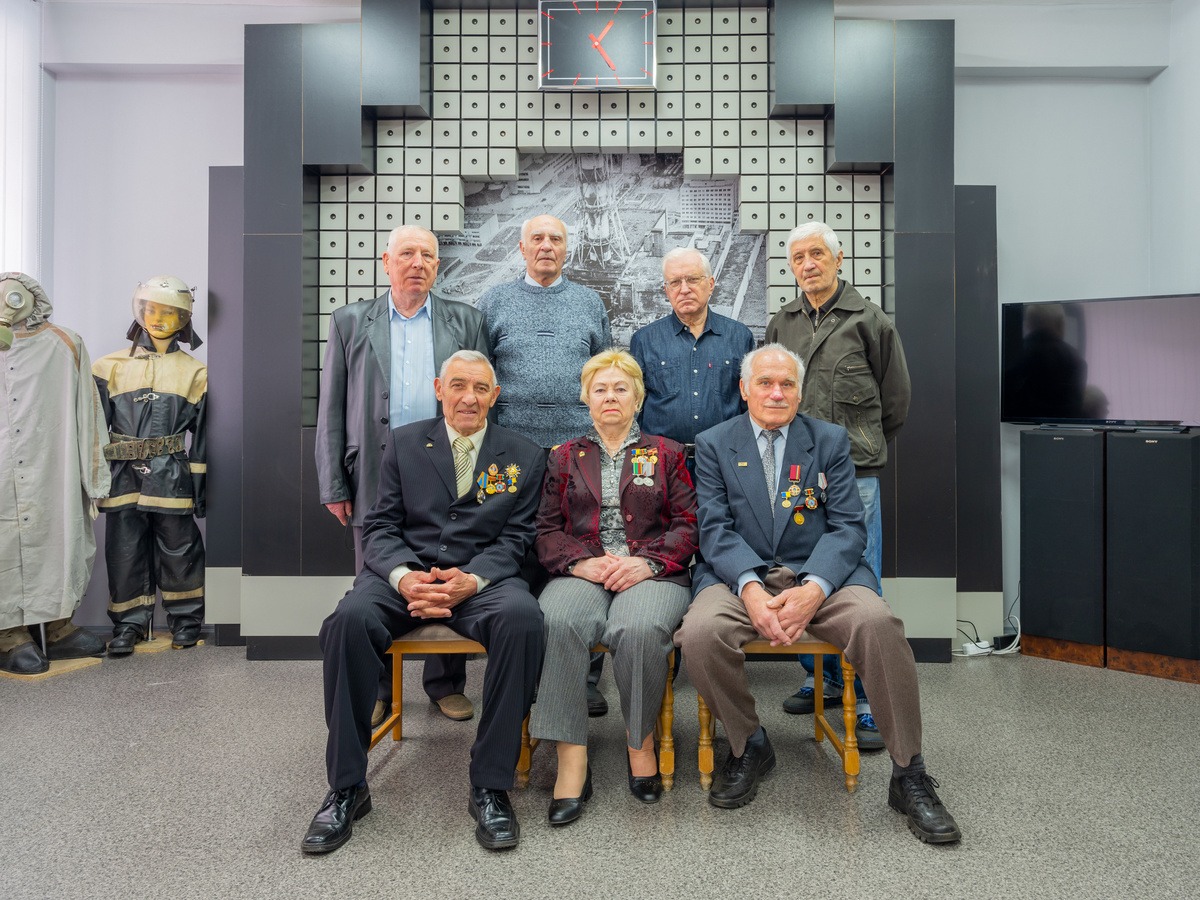
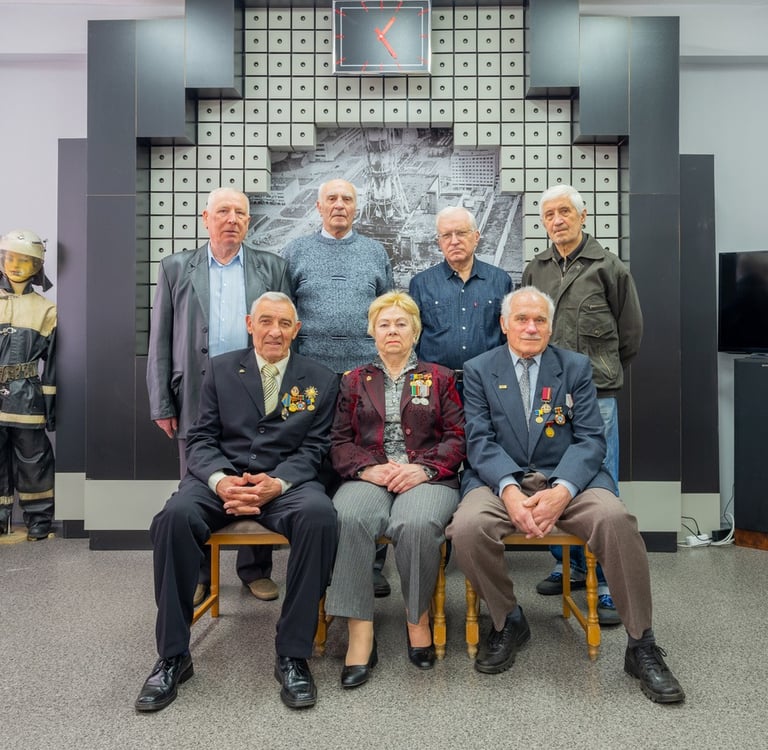
Liquidators of Chernobyl.
Thousands of individuals from Estonia were deployed by Soviet authorities to areas affected by the 1986 nuclear disaster, forming part of a large-scale radioactive contamination cleanup (radioaktiivse saastuse puhastamine) effort. Between 1986 and 1991, a total of 4,831 Estonian men were sent to work in zones impacted by the accident, contributing to what was presented as a necessary post-disaster response operation (õnnetusjärgne reageerimisoperatsioon).
One of the early arrivals at the site described how the mobilization took place under the pretext of military training. "We received a summons for military refresher training because at the time the only chemical defense regiment in the Baltic Military District was located in Pärnu," he said. This reflects the use of military reserve mobilization (sõjaväe reservi mobiliseerimine) as a mechanism to assemble personnel for hazardous assignments.
"At first, none of us knew where we were being sent. When we arrived at the assembly point, we were surprised that men called up for reserve training were being issued brand-new equipment." The unexpected distribution of equipment indicated the seriousness of the mission, although participants were not initially informed about the radiation exposure risks (kiirgusega kokkupuute riskid) they would face.
He added that officials downplayed the situation: "A general told them not to worry: it would take two weeks, a month at most and there was nothing serious to fear." This reassurance contrasted with the reality encountered upon arrival, highlighting the gap between official communication and actual hazard awareness levels (ohu teadlikkuse tase).
Upon reaching the affected region, workers found that nearby populations had already been evacuated from the designated exclusion area. "We were right on the border of the 30-kilometer zone. The people inside the zone had been taken away, but on the other side of the road there were houses and people were still living there." This situation illustrates the uneven implementation of evacuation zone boundaries (evakuatsioonitsooni piirid).
Initial tasks involved washing buildings using high-pressure water systems. "Our task was to wash houses in the villages, which is what we did for the first two weeks. We used high-pressure water from large tanker trucks. After the washing, everything was measured and the results looked very good — everything appeared clean. But when they checked again, they found that conditions were just as bad or even worse, meaning washing the houses had done no good at all," Krinal recalled. These efforts demonstrate the limitations of surface decontamination methods (pinnapuhastuse meetodid) in addressing radioactive particles embedded in materials.
Authorities then shifted strategy to soil intervention. "The men began turning over the ground. It was measured again and once more the results looked very good, but then they found that this didn't work either. After that, the soil had to be gathered up and removed," Krinal said. This progression reflects attempts at soil remediation techniques (pinnase puhastamise tehnikad) that ultimately required more extensive removal procedures.
Despite the hazardous conditions, workers were not equipped with specialized protective gear. "The men wore ordinary military uniforms and, according to Krinal, there was no special protective equipment." This lack of adequate protection underscores deficiencies in radiation safety protocols (kiirgusohutuse protokollid) during the early response phase.
"We truly hoped that if we cleaned the houses, people would be able to return home and we could go home as well," said Krinal, who remained at the site for more than five months. His statement reflects the expectation that environmental restoration efforts (keskkonna taastamise jõupingutused) would enable resettlement, an outcome that did not materialize in many areas.
The long-term human impact became evident in the years following the mission. "A stark example is that by 1991, 51 of the men from our group who had been there had died and 17 of them died by suicide," Krinal said. "I think it was fear of the future." These figures highlight the psychological burden associated with post-exposure health consequences (kokkupuutejärgsed tervisemõjud) and the absence of structured mental health support.
He noted that in the immediate aftermath, mental health was not addressed as part of recovery measures, pointing to gaps in psychological support systems (psühholoogilise toe süsteemid) available to those involved in hazardous operations. This lack of institutional response contributed to long-term distress among participants.
Physical health issues were also reported, although not always severe. "Colds and coughs come very easily and are relatively hard to get rid of." Such symptoms are consistent with documented immune system vulnerability (immuunsüsteemi haavatavus) among individuals exposed to radiation over extended periods.
Years later, a return visit to the site revealed that many of the cleaned structures remained uninhabited. "Our guide was a 26-year-old woman who said that no matter what happened in her life, she would not have children. It was a conscious decision she and her friends had made," Krinal said. This reflects ongoing concerns related to radiation-related health risks (kiirgusega seotud terviseriskid) in the affected region.
The houses that had been carefully washed in 1986 stood abandoned decades later, confirming that initial cleanup efforts had not achieved their intended outcome. The long-term presence of contamination and continued restrictions on habitation demonstrate the enduring impact of nuclear disaster aftermath (tuumakatastroofi tagajärjed) on both the environment and human life.
Scientific research has confirmed that radioactive isotopes such as cesium-137 and iodine-131 were released during the disaster, contaminating large areas across Europe. These substances persist in soil and ecosystems, contributing to long-term environmental contamination (pikaajaline keskkonnasaaste) and requiring ongoing monitoring decades after the initial event.
Key Estonian Vocabulary
radioaktiivse saastuse puhastamine radioactive contamination cleanup
õnnetusjärgne reageerimisoperatsioon post-disaster response operation
sõjaväe reservi mobiliseerimine military reserve mobilization
kiirgusega kokkupuute riskid radiation exposure risks
ohu teadlikkuse tase hazard awareness levels
evakuatsioonitsooni piirid evacuation zone boundaries
pinnapuhastuse meetodid surface decontamination methods
pinnase puhastamise tehnikad soil remediation techniques
kiirgusohutuse protokollid radiation safety protocols
keskkonna taastamise jõupingutused environmental restoration efforts
kokkupuutejärgsed tervisemõjud post-exposure health consequences
psühholoogilise toe süsteemid psychological support systems
immuunsüsteemi haavatavus immune system vulnerability
kiirgusega seotud terviseriskid radiation-related health risks
tuumakatastroofi tagajärjed nuclear disaster aftermath
pikaajaline keskkonnasaaste long-term environmental contamination
For requests or suggestions: pr@estonianinstitute.com


Learn the official language of Estonia in 30 days thanks to the most complete Grammar, Vocabulary and Culture courses available. Start speaking Estonian today!
© Copyright 2026 Estonian Institute