
Banks Cite Anti-Terrorism Rules in Refusal to Open Account for Koos Party
Financial institutions point to risk policies as party raises concerns over political equality
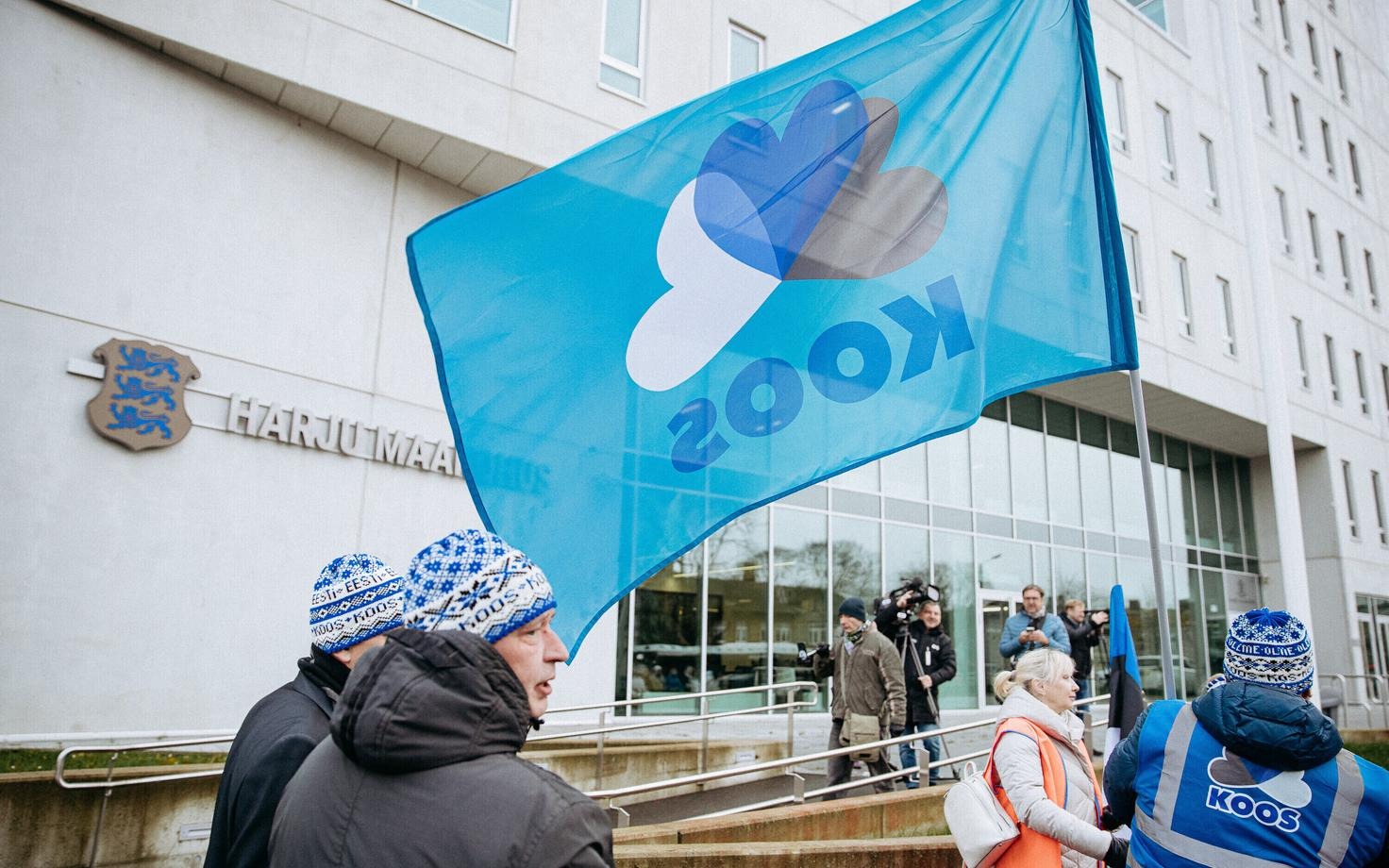
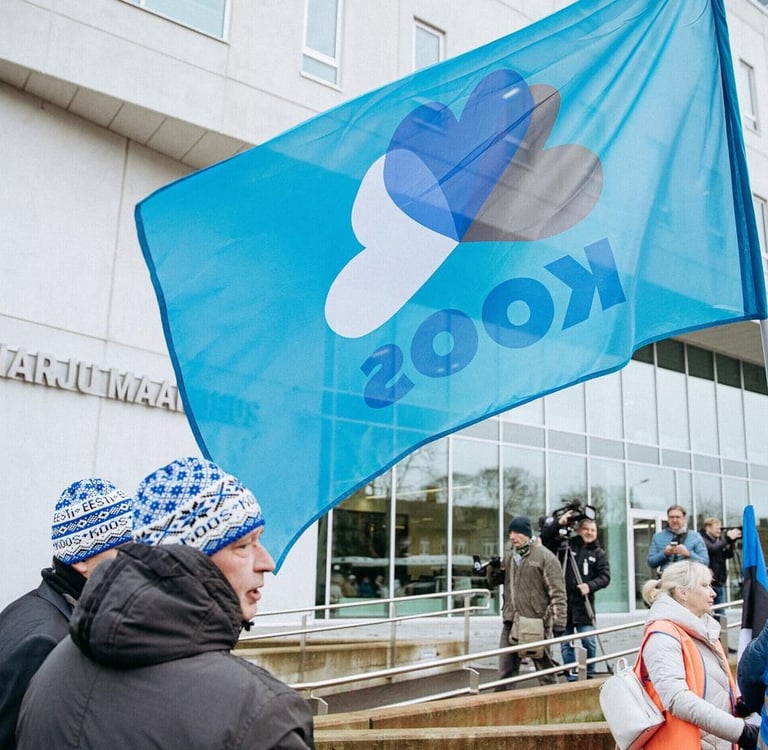
Banks say anti‑terrorism rules behind refusal to open Koos party account.
Bank account refusal (pangakonto keeldumine) has become a central issue for the political party Koos, which says it has been unable to open an account with any credit institution in Estonia. The situation has prompted the party to raise concerns with both the National Electoral Committee and the Political Party Funding Supervision Committee.
Without access to basic financial services (finantsteenused), the party faces practical obstacles, including the inability to pay the required deposit to submit its electoral list. This limitation directly affects its ability to participate fully in the electoral process.
According to a party representative, multiple banks have declined the request over several years. The refusals highlight the growing importance of risk assessment (riskihindamine) in banking decisions, particularly when dealing with politically exposed entities.
Responses from institutions such as Luminor, LHV, Swedbank, Citadele, and Coop Bank cited similar justifications. These decisions were based on internal policies linked to money laundering prevention (rahapesu tõkestamine) and broader compliance obligations.
Banks emphasized that regulations aimed at preventing illicit activities, including terrorism financing (terrorismi rahastamine), require them to carefully evaluate potential risks before opening accounts. As a result, they may decline clients that do not meet their criteria.
The party has argued that these refusals raise concerns about equal opportunity (võrdne võimalus) in the political system. Without access to banking infrastructure, it becomes difficult to operate transparently or comply with reporting obligations.
"Between 2023 and 2026, the party has repeatedly approached credit institutions operating in Estonia to open an account, but has received refusals from several major banks," he wrote, describing the ongoing difficulty tied to account access (konto juurdepääs).
The issue also affects the party’s ability to maintain proper records, as financial reporting (finantsaruandlus) requires a functioning bank account to track transactions and ensure compliance with legal requirements.
The party has not yet approached all available credit institutions in Estonia but plans to do so. If these efforts fail, it intends to escalate the matter by seeking a legal opinion regarding potential violations of constitutional principles (põhiseaduslikud põhimõtted).
Specifically, the party argues that denial of banking access may conflict with the principle of political freedom (poliitiline vabadus), which guarantees parties the right to operate and present their views.
The broader context includes the legal situation surrounding one of the party’s leaders, who has been convicted of treason and sentenced to a lengthy prison term. This background may influence how financial institutions evaluate compliance risk (vastavusrisk) when considering account applications.
Overall, the case illustrates the tension between strict financial regulations and political participation. While banks are obligated to follow international standards on risk prevention, the outcome raises questions about how such rules impact democratic processes and institutional fairness (institutsionaalne õiglus).
Key Estonian Vocabulary
pangakonto keeldumine bank account refusal
finantsteenused financial services
riskihindamine risk assessment
rahapesu tõkestamine money laundering prevention
terrorismi rahastamine terrorism financing
võrdne võimalus equal opportunity
konto juurdepääs account access
finantsaruandlus financial reporting
põhiseaduslikud põhimõtted constitutional principles
poliitiline vabadus political freedom
vastavusrisk compliance risk
institutsionaalne õiglus institutional fairness
For requests or suggestions: pr@estonianinstitute.com


Learn the official language of Estonia in 30 days thanks to the most complete Grammar, Vocabulary and Culture courses available. Start speaking Estonian today!
© Copyright 2026 Estonian Institute